Best Winter Golf Gloves: Why They Come in Pairs, Not One
Five current winter and thermal golf gloves compared on warmth, grip, and fit as a pair, so you know which one actually keeps hands functional in the cold.
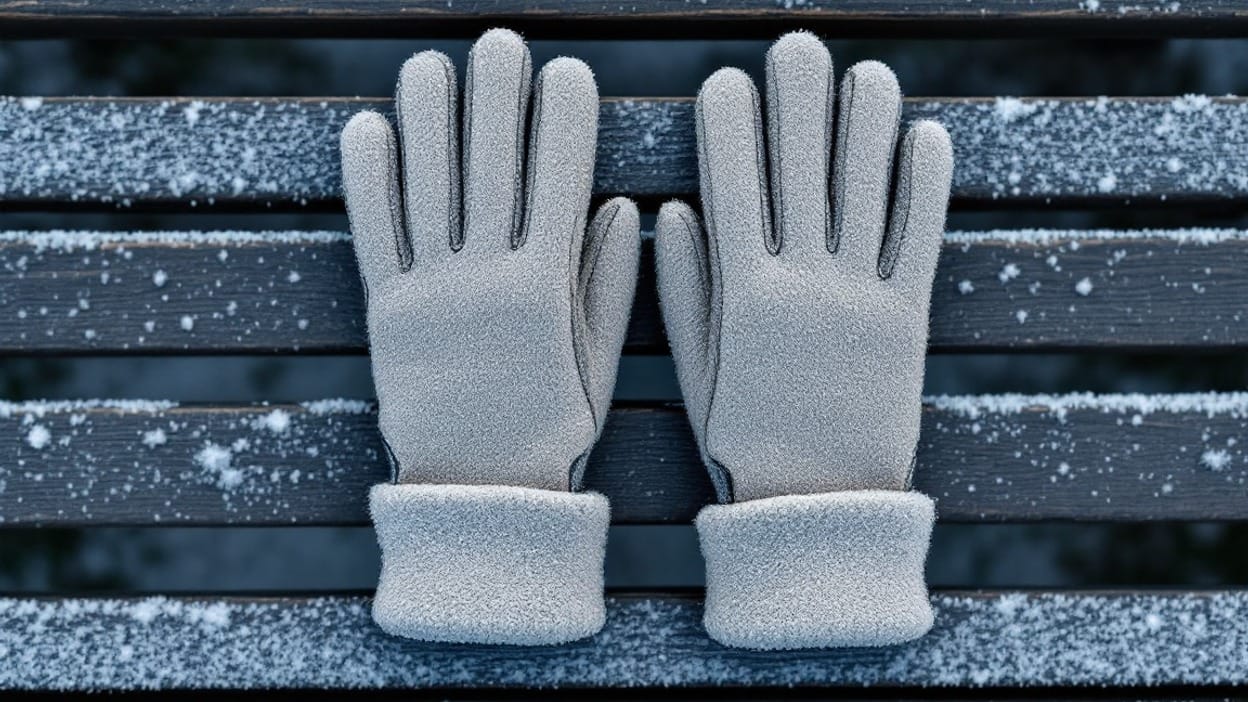
- Winter gloves come in pairs. Unlike a standard single lead-hand glove, thermal gloves cover both hands, since cold hurts grip and feel on each side equally.
- Warmth comes from two places. A fleece or thermal lining insulates from the inside; a weather shell blocks wind and moisture from the outside. The strongest options here do both.
- Warmth costs some feel. Thicker insulation trades clubface feedback for heat retention, so the right pick depends on which one matters more that day.
- Grip still has to hold wet. Synthetic suede and microfiber palms hold traction in cold, damp conditions better than leather does.
- Five current pairs compared. FootJoy WinterSof, Callaway Thermal Grip, Mizuno ThermaGrip, TaylorMade's 32-degree glove, and Wilson's winter glove, matched to price and use case.
Most golfers own exactly one glove. It goes on the lead hand, it grips the club, and the trail hand stays bare so it can feel the shot. That setup falls apart the moment temperatures drop. Winter and thermal golf gloves are sold as a pair, both hands covered, because cold isn't a lead-hand problem. It's a hands problem. A bare trail hand in true cold-weather air stiffens up just as fast as a bare lead hand, and once fingers lose feel, the grip pressure golfers rely on without thinking becomes something they have to consciously fake.
That single distinction, pair versus single, is the one most golfers miss when they shop for cold-weather gear. It also explains why winter gloves look and feel different from a standard glove once you get past the marketing photos: they're built to solve a different problem. Cold air already costs distance and changes how the ball comes off the turf. Losing feel in both hands on top of that is a second, avoidable penalty. If you're shopping for a standard three-season glove instead, see our roundup of the best golf gloves for the rest of the year.
This roundup compares five current thermal and winter glove options against the things that actually matter in cold weather: how they trap heat, how much grip they give up to get there, how they fit as a pair, and what they cost. None of these are speculative picks. Every model below is a real, currently listed product, checked against manufacturer specs and aggregated published coverage rather than assumed from a spec sheet alone.
Why winter gloves are sold as a pair
A standard golf glove exists to manage grip on the lead hand, the hand doing the steering. Warmth was never the design brief. Winter gloves flip that priority. Both hands go into thermal material because the goal shifts from grip control to keeping hands functional, and a bare hand in cold air loses dexterity well before it loses strength. Grip pressure, release timing, and the small adjustments a golfer makes shot to shot all depend on fingers that can still feel the club. Take that away from one hand and a round turns into compensation.
That's also why layering shows up so often in how golfers actually use these gloves. Aggregated coverage of cold-weather rounds describes a recurring pattern: golfers pairing thermal gloves with a hand warmer tucked into a pocket between holes, pulling gloves off only to putt, then back on immediately. The pair format supports that rotation in a way a single glove never could, since there's no bare hand left exposed while the covered one warms back up.
Insulation versus weather-shell: what actually keeps hands warm
Every glove on this list solves warmth one of two ways, and sometimes both. Insulation is a fleece or thermal-fabric lining on the inside of the glove, doing the work a jacket's inner layer does. A weather shell is the outer material, usually a windproof or water-resistant fabric on the back of the hand, stopping wind chill and moisture before they reach the lining at all. FootJoy's WinterSof pairs a windproof nylon back with a Weather-Shield fleece lining underneath, covering both jobs in one glove. Callaway's Thermal Grip relies on an "Opti Therm" fleece lining under a microfiber suede palm. Wilson's winter glove, by contrast, leans almost entirely on a brushed fleece back rather than pairing it with a dedicated weather shell, trading some wind resistance for simpler, warmer construction.
The tradeoff coverage keeps circling back to is feel versus warmth. Thicker insulation traps more heat and gives up more precision, since a padded glove can't transmit the same small feedback a bare or thin-gloved hand gets from the clubface at impact. I'll admit I'm biased toward erring warm rather than thin on genuinely cold days, since a numb hand costs a golfer far more distance control than a slightly padded one does. Reviewers and golfers describing these gloves in cold-weather roundups consistently frame that tradeoff the same way: warmth first, feel second, and a golfer who prioritizes feel over warmth in true cold usually regrets it by the back nine.
Grip retention in cold and wet conditions
Insulation solves temperature. It does nothing for grip once a golfer's hands are damp from morning dew, light rain, or their own sweat inside a sealed glove. That's a materials question, and it's where the five gloves here separate most clearly. FootJoy's Sure-Grip Autosuede palm and Mizuno's synthetic suede with 3D-textured grip panels are both built specifically to hold traction wet, not just dry. Callaway's microfiber suede palm does similar work, and TaylorMade's 32-degree glove pairs a full suede forefinger and palm with a "grip with comfort in any condition" design brief rather than treating grip as secondary to warmth.
Wilson's winter glove leans harder into the insulation side of that balance, with a brushed fleece back and a microfiber suede palm that prioritizes warmth first and grip second, which suits a golfer more worried about hands going numb than about wringing extra spin off a wet lie. None of the five use bare leather as the primary grip surface, which tracks with a broader pattern in cold-weather coverage: leather stiffens and cracks in cold, dry air in a way synthetic suede and microfiber don't.
Fit and sizing for a pair
Sizing runs the same as a standard glove, small through extra-large, but fit tolerances matter more here because both hands are covered and a loose winter glove loses warmth at the cuff and wrist the same way a loose jacket sleeve does. All five gloves in this comparison use an extended or knit cuff specifically to close that gap, since a short cuff leaves a bare band of wrist exposed between glove and sleeve.
Mizuno's ThermaGrip is worth a specific flag on sizing and materials. The current generation uses a synthetic suede palm with the 3D-textured grip panel described above and a fleece cuff, but an older generation, built around a cabretta leather palm, is still listed and sold alongside it in some places. They're not interchangeable in cold performance. Leather handles differently in cold, dry air than synthetic suede, so a buyer comparing prices across listings should confirm which generation they're actually looking at before assuming the specs match.
The five gloves compared
| Model | Warmth construction | Grip surface | Best for |
|---|---|---|---|
| FootJoy WinterSof | Windproof nylon back, Weather-Shield fleece lining | Sure-Grip Autosuede palm | All-around cold-weather rounds |
| Callaway Thermal Grip | Opti Therm fleece lining | Microfiber suede palm | Budget-conscious cold-weather buyers |
| Mizuno ThermaGrip (current gen) | Fleece cuff, synthetic suede body | Synthetic suede with 3D-textured grip panel | Wet, slick cold-weather lies |
| TaylorMade 32-Degree Cold Weather | Microfiber fleece back, knitted cuffs | Full suede forefinger and palm | Golfers prioritizing feel alongside warmth |
| Wilson Winter Golf Gloves | Brushed fleece back | Microfiber suede palm | Coldest, driest conditions where warmth outranks feel |
Quick picks
Buying one pair instead of comparing all five specs above is reasonable, so here's the shorthand. FootJoy's WinterSof is the safest all-around pick, since it's the only glove here pairing a genuine weather shell with fleece insulation rather than leaning on one or the other. Callaway's Thermal Grip is the pick for a golfer who wants real thermal construction without paying a premium price. Mizuno's ThermaGrip earns its spot for anyone playing cold, wet mornings where grip matters as much as warmth, provided the buyer confirms they're getting the current synthetic-suede generation. TaylorMade's 32-degree glove suits a golfer unwilling to sacrifice much feel for warmth. Wilson's winter glove is the pick for the coldest days on the calendar, when keeping hands functional matters more than shot feedback.
Buy: FootJoy WinterSof on Amazon
Buy: Callaway Thermal Grip on Amazon
Buy: Mizuno ThermaGrip on Amazon
Buy: TaylorMade 32-Degree Cold Weather Glove on Amazon
Buy: Wilson Winter Golf Gloves on Amazon
Frequently Asked Questions
Do winter golf gloves really come in pairs?
Yes. Unlike a standard glove, which covers only the lead hand, winter and thermal gloves are sold and worn on both hands. Cold affects grip and feel in both hands equally, so covering only one defeats the purpose.
Do thicker winter gloves cost you feel and distance control?
Some, yes. Thicker insulation trades a degree of clubface feedback for warmth, and reviewers consistently describe that as a real tradeoff rather than a marketing myth. The gloves on this list that lean toward suede or microfiber palms rather than heavy padding, like TaylorMade's 32-degree model, keep more of that feel while still insulating the back of the hand.
Can you use hand warmers with winter golf gloves?
Yes, and it's a common pairing. Golfers commonly carry a hand warmer in a pocket and swap gloves back on between holes, using the warmer to top up heat rather than relying on the glove alone. The pair format makes this easier, since there's no bare hand left exposed while the other one reheats.
How do you care for winter golf gloves?
Most synthetic-suede and microfiber winter gloves can be hand-washed with mild soap and air-dried away from direct heat, which preserves the grip texture better than a dryer does. Leather-palmed versions need more care, since heat and repeated soaking dry out and crack leather over a season.
Some links in this article are affiliate links. If you buy through them, I earn a small commission at no extra cost to you. This never influences what I cover or recommend. I link to gear I'd buy myself.









The golf newsletter that cuts the hype
Data-backed reviews and advice that works. No brand spin.
Recommended products