







How to Choose the Right Golf Ball for Mid-Handicappers
The gap between the highest and lowest spinning golf balls in independent testing is 4,000 rpm on wedge shots. Cover material, compression, and construction all matter, but not equally. Here's how to pick the right ball using three questions and real data.
On a 35-yard pitch, the highest and lowest spinning models in MyGolfSpy's 2025 robot testing produced a 4,000 rpm gap. Not marketing fluff. Measured data, 44 products, GCQuad plus Trackman, 80+ hours in Scottsdale. Whatever you're playing right now is either helping you hold greens or watching chip shots run 13 feet (4.0m) past the flag.
Most mid-handicappers choose based on what their mate plays, what was on sale, or whichever tour pro shows up on TV. Either you're over-spending on performance your swing can't access, or under-spending with something costing you strokes around every green. Three questions sort it out. Forget dimple patterns and mantle layers. Match your speed, short game priorities, and budget to the right category.
Everything below is grounded in MyGolfSpy's 2025 test (44 models, robot-tested), Today's Golfer's 62-model robot test at Loughborough University's Sports Technology Institute, and independent head-to-head comparisons. A framework, not another listicle with star ratings.
- 1.Cover material is the biggest variable in ball selection: urethane generates up to 4,000 rpm more spin than ionomer on wedge shots (MGS 2025). That directly determines short-game stopping power.
- 2.Under 85 mph (38m/s) swing speed, compression is your priority. Low-compression options can add 7 to 10 yards off the tee.
- 3.Above 85 mph, the real decision is urethane vs ionomer, not Pro V1 vs everything else. Any quality urethane cover gives you greenside stopping power.
- 4."Soft" means slower. MGS 2025 confirmed the softest ionomer models gave up driver speed at every swing speed tested.
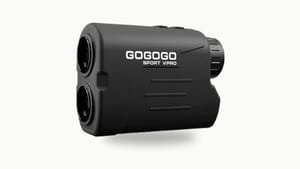
- 5.Know your swing speed before choosing. A sub-$1,000 launch monitor removes the guesswork in five minutes.
Best for
Our pick
Why
Low handicap / tour performance
Srixon Z-Star Diamond
MGS 2025 iron and short game spin leader at mid swing speeds
Mid handicap value
TaylorMade Tour Response
Urethane performance at a non-premium price (MGS 2025 "best value for performance")
Budget / distance
Kirkland Performance+ v3.5
Urethane cover at under $20/dozen (beat Pro V1 on driver distance in some MGS 2025 conditions)
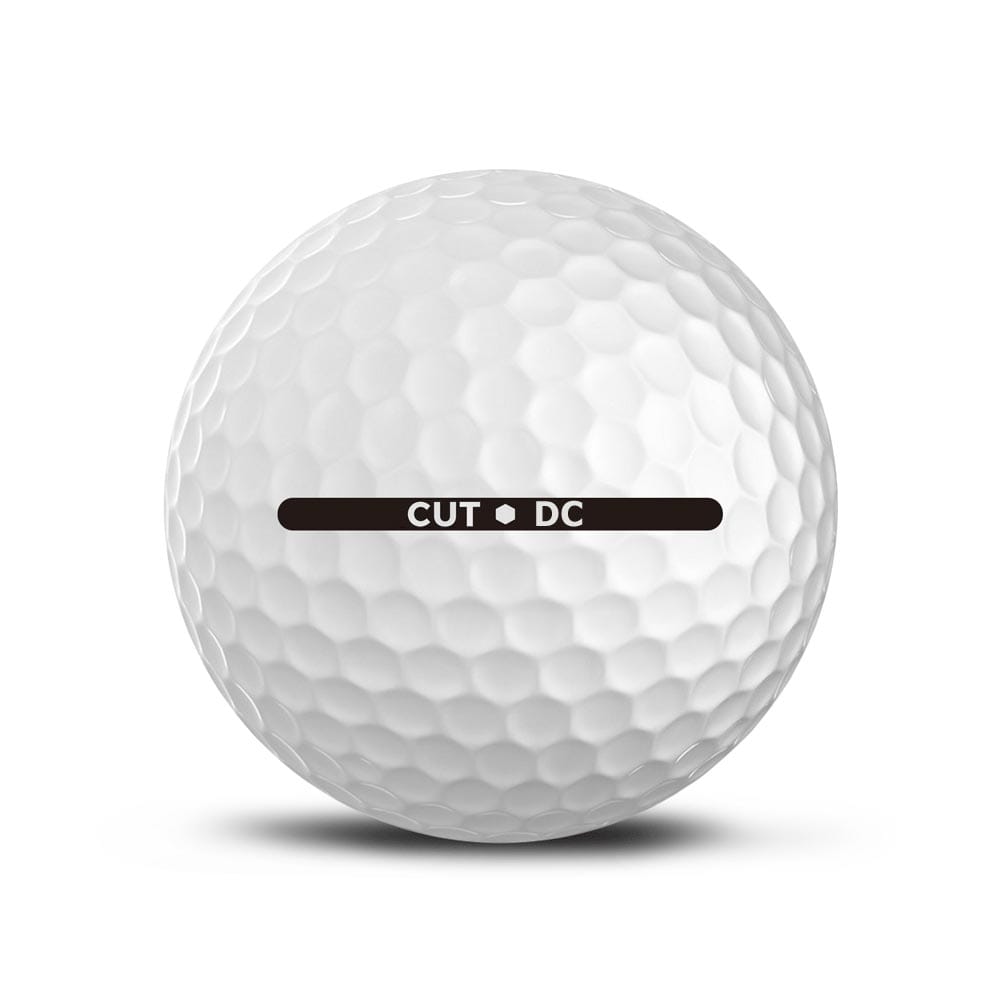
DTC urethane / half the price of Pro V1
Cut DC Golf Balls
$29.95/dozen (Golf Digest Hot List pick, Trackman-validated, 30-day money-back guarantee)
Beginners / high handicappers
Callaway Supersoft
Low-compression ionomer designed for slower swing speeds (forgiving and durable)
Seniors / slower swing speeds
Bridgestone Tour B RX
Low-compression urethane (~66) for swing speeds under 85 mph who still want greenside spin
95 to 105 mph all-round performance
Titleist Pro V1
Tightest build tolerances in MGS 2025 (most consistent all-round ball at mid-to-high swing speeds)
Three questions narrow it down:
- Cover material: controls short game rotation
- Compression: matched to your swing speed
- Budget: dictates which construction tier you can access
For a side-by-side look at how these trade-offs play out in real products, see our mid-handicap ball comparison. Play outside that range? Our golf balls by handicap guide breaks down which tier fits your game at every skill level.
Cover Material: The Variable That Matters Most for Your Short Game
Whatever's wrapping the thing you tee up determines how much rotation you generate inside 50 yards (46m). Not compression. Not layer count. Cover material.
Two options exist. Urethane is a soft, cast polymer that grips the clubface at impact, creating more friction and rotation than its alternative. Ionomer (often branded as Surlyn) is a hard, durable thermoplastic found in distance and value-tier products. This cast polymer grips the face longer, producing more friction. Surlyn is harder, lasts longer, and costs less to manufacture.
ℹ️
Note: Compression ratings and cover material are separate variables. A ball can have a low compression rating (soft feel) and a urethane cover. The Bridgestone Tour B RX (~66 compression) is a good example. Soft compression with ionomer gives you feel but not spin. Soft compression with urethane gives you both. Never assume "soft" equals urethane.
In practice, this performance gap isn't subtle. MyGolfSpy's 2025 results show every high-rotation leader on wedge attempts wearing cast covers. TaylorMade's TP5 hit 6,026 rpm on 35-yard (32m) pitches. Titleist's Velocity, an ionomer entry, managed 2,058 rpm from an identical swing. That 4,000 rpm differential is measurable and repeatable.
So what does 4,000 rpm mean when you're standing over a chip? Golf Digest robot testing measured the practical consequence: Surlyn-covered options can roll up to 13 feet (4.0m) further on pitches compared to cast-cover alternatives. Chipping to a pin cut 15 feet (4.6m) from the fringe? That rollout separates a tap-in from a tricky lag putt.
Off the tee and with irons, that gap shrinks. Golf Insider UK's head-to-head at a matched 105 mph swing speed showed the Chrome Soft and Pro V1 separated by 1 yard of carry off the driver. Iron spin variance across the 2025 MGS data topped out at 1,300 rpm between extremes. That matters, but not as much as the wedge gap.
Bottom line: if you play shots within 50 yards (46m) and expect them to stop, urethane is worth the price difference.
💡
Tip: Fewer than half of average golfers can distinguish urethane from ionomer by feel alone, according to Golf Digest robot testing. But 93% of sub-5 handicappers detect the rotation advantage. This isn't about feel. It's about what happens after landing.
What Golf Ball Compression Means (and When It Matters)
Compression is a measure of how much a golf ball deforms when struck, expressed as a number between 30 and 120. Lower compression balls squish more at impact. Higher compression balls resist deformation and need more force to compress against the clubface.
Speed matching matters: when your swing speed doesn't match your ball's compression, you lose efficiency. A slow swing on a high-compression ball can't compress the core, leaving ball speed on the table. Golfers with swing speeds under 85 mph (38m/s) gained 7 to 10 yards off the tee by switching to low-compression models, based on MyGolfSpy's 2025 robot testing across 44 models.
One complication: golf ball manufacturers don't use a standardized compression scale. Titleist doesn't publish compression numbers at all. Independent labs like MyGolfSpy's Ball Lab measure compression, but their numbers don't always match other labs. Treat published compression as directional, not absolute.
Here's a guide based on independent testing data:
| Swing Speed | Compression Range | Example Balls |
|---|---|---|
| Under 85 mph (38m/s) | 40 to 70 | Callaway Supersoft, Bridgestone e6, Cut Red ($16/doz) |
| 85 to 95 mph (38 to 42m/s) | 65 to 90 | TaylorMade Tour Response (~medium), Bridgestone Tour B RX (~66), Titleist AVX (~77), Cut Blue ($24.95/doz) |
| 95 to 105 mph (42 to 47m/s) | 80 to 100 | Titleist Pro V1 (~87), Srixon Z-Star (~88 to 92), Callaway Chrome Tour (~87 to 90) |
| Over 105 mph (47m/s) | 95 to 120 | Titleist Pro V1x (~96 to 108), TaylorMade TP5x |
The "Soft Is Slow" Finding
MGS 2025 confirmed what prior test cycles hinted at: lower compression correlates with lower ball speed, and the penalty grows at higher swing speeds. Softest ionomer models gave up driver speed across the board. If you're swinging at 95 mph and playing a 40-compression "soft feel" ball because the packaging says "more distance," the test data says the opposite.
One caveat: soft urethane balls (like the Bridgestone Tour B RX at compression ~66) mitigate this through better core-to-cover energy transfer. It's the soft ionomer models that took the biggest speed hits. Compression alone doesn't tell the full story. Cover type and construction interact with it.
💡
Tip: If your swing speed is under 85 mph (38m/s), low-compression is your most important spec, not cover material, not layer count. A 40 to 70 compression ball will return 7 to 10 extra yards off the tee that a high-compression ball simply won't give you. Get a launch monitor reading before buying.
Construction: Does Layer Count Matter?
Golf balls come in 2-piece, 3-piece, 4-piece, and 5-piece constructions. TaylorMade is the only brand offering a 5-piece ball (the TP5 and TP5x). More layers means more separation between distance performance (core) and spin performance (cover and mantle layers), giving designers more room to optimize each.
Today's Golfer's Loughborough University robot test (22 balls across five construction categories) found 4 and 5-piece balls averaged 6+ yards further with a driver than 2-piece models, and 3 yards further than club-level 3-piece balls.
But here's the finding that changes the conversation: 2-piece balls in the same test out-spun some 3-piece tour-level balls on iron and wedge shots. Cover material drove the spin numbers more than layer count. A 2-piece ball with a urethane cover can out-spin a 3-piece ionomer ball on greenside shots.
As a result, ball speed differences between constructions were less than 1 mph. Tight margins.
For mid-handicappers, the takeaway is straightforward: a quality 3-piece urethane ball delivers most of the distance benefit of a 4 or 5-piece model, with the greenside spin you need, at a lower price. Going from 3-piece to 5-piece urethane buys you single-digit yards off the tee. Going from ionomer to urethane buys you thousands of rpm around the green.
The 3-Question Decision Framework
Three questions. Not five pages of spec sheets. Three questions get you to the right ball.
Question 1: What's your swing speed?
Your driver swing speed determines which compression range works for you. If you don't know it, your carry distance is a useful proxy:
- Carry 180 to 200 yards (165 to 183m) = 80 to 85 mph (36 to 38m/s)
- Carry 200 to 220 yards (183 to 201m) = 85 to 95 mph (38 to 42m/s)
- Carry 220 to 250 yards (201 to 229m) = 95 to 105 mph (42 to 47m/s)
- Carry 250+ yards (229m+) = 105 mph+ (47m/s+)
For an exact number, a sub-$1,000 launch monitor gives you the data in five minutes. Worth it, because this number drives every ball decision.
Question 2: How important is short game spin to you?
If you play pitch shots, chips, and bunker shots inside 50 yards (46m) and need them to stop, urethane cover is the answer. The 4,000 rpm wedge spin gap between urethane and ionomer covers (MGS 2025) is too large to ignore.
If your short game is bump-and-run, and you're not trying to hold firm greens with spin, ionomer saves you money without a meaningful performance penalty.
Question 3: What's your budget (and how many balls do you lose)?
A $55 per dozen Pro V1 costs $2.50 per lost ball. A $20 per dozen Kirkland Performance+ v3.5 costs $0.83. If you're dropping 3 or more balls per round into the water and the trees, the performance gap between a premium urethane and a value urethane ball matters less than the financial gap.
Here's where these three answers lead:
| Your Profile | Ball Type | Examples |
|---|---|---|
| Under 85 mph, short game not a priority | Low-compression ionomer | Callaway Supersoft, Srixon Soft Feel, Cut Red ($16/doz) |
| Under 85 mph, want greenside spin | Low-compression urethane | Bridgestone Tour B RX, Titleist AVX |
| 85 to 95 mph, want spin, budget-conscious | Mid-compression urethane (value) | TaylorMade Tour Response, Kirkland Perf+ v3.5, Cut DC ($29.95/doz) |
| 85 to 95 mph, want the best spin data | Mid-compression urethane (premium) | Srixon Z-Star, Titleist Pro V1 |
| 95 to 105 mph, all-round performance | Mid-to-high compression urethane | Pro V1, Callaway Chrome Tour, Srixon Z-Star XV |
| 105+ mph, max distance + control | High-compression urethane | Pro V1x, TaylorMade TP5x |
Ball Recommendations: What the Data Supports
Three balls stood out across the 2025 independent testing for mid-handicappers. Not because of marketing budgets. Because of measured performance.
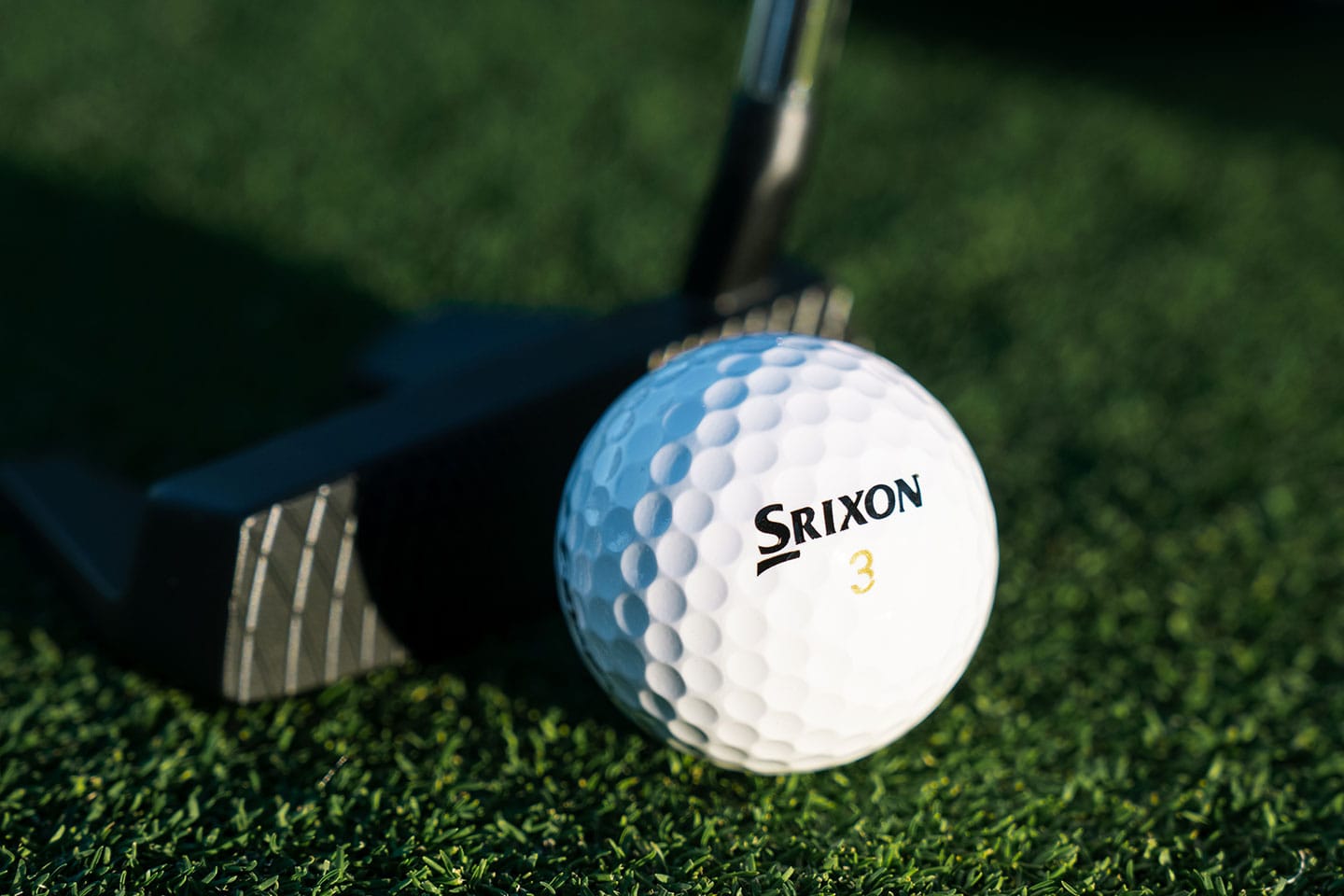
Srixon Z-Star Diamond
MGS 2025's iron and short game spin leader. At mid swing speeds, the Z-Star Diamond sat at the top of the spin charts for irons and won awards in every category except off-the-tee distance. Compression sits at 88 to 92, with a 3-piece urethane (Spin Skin+) cover. If greenside spin is the reason you're considering a urethane ball, this is where the data points.
Best for: 90 to 105 mph (40 to 47m/s) swing speed. Golfers who prioritize approach play and short game control over raw distance.
Best for: Greenside spin, 90 to 105 mph swing speed
Srixon Z-Star Diamond Golf Balls
TaylorMade Tour Response
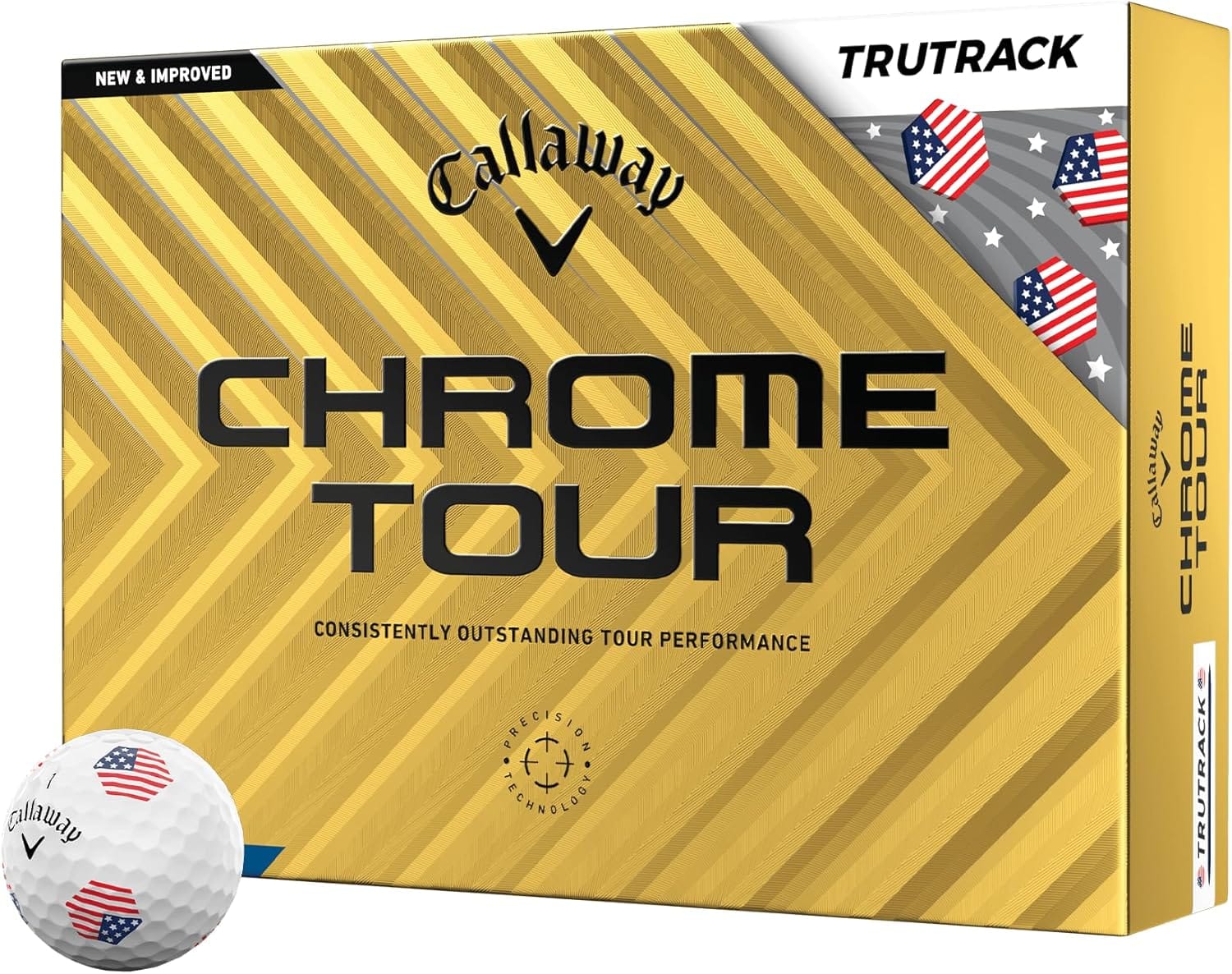
Flagged across multiple tests as "best value for performance" in MGS 2025. A 3-piece urethane ball at a non-premium price that matched premium balls on carry distance and trajectory. Designed for golfers shooting in the 80s and 90s, which is the mid-handicapper sweet spot. If you want urethane performance without Pro V1 pricing, this is the data-backed starting point.
Best for: 85 to 95 mph (38 to 42m/s) swing speed. Mid-handicappers (10 to 20 HCP) looking for urethane performance on a budget.
Best for: Mid-handicappers, 85 to 95 mph swing speed
TaylorMade Tour Response Golf Balls
Kirkland Performance+ v3.5
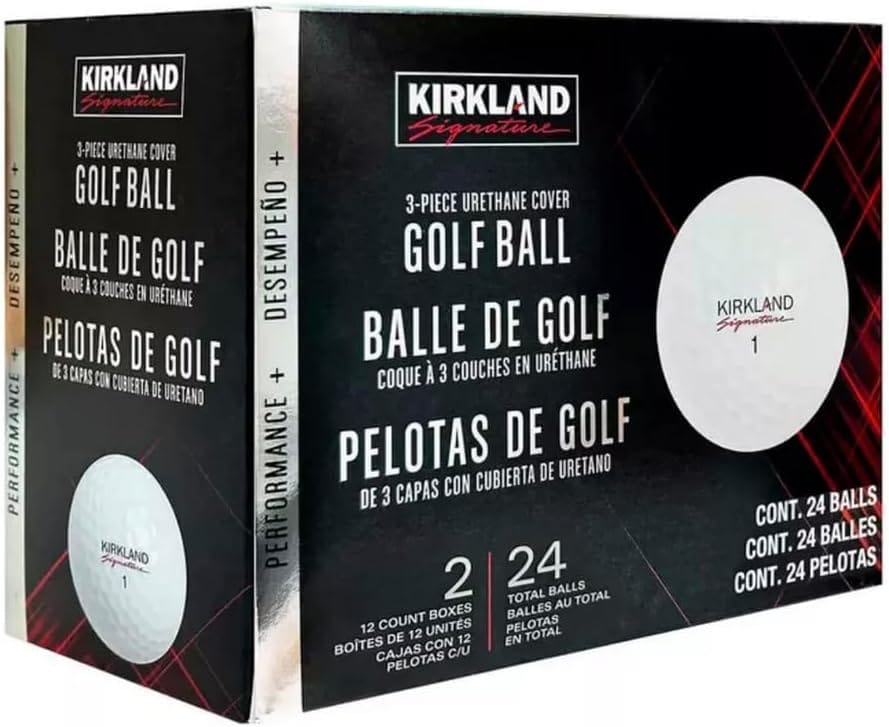
Costco's disruptor keeps showing up. Urethane cover, multi-layer construction, under $20 per dozen at Costco. MGS 2025 data showed the Kirkland outperforming the Pro V1 off the driver in some conditions, with strong wedge stopping power. Driver spin issues from earlier versions have been resolved in the v3.5. If you're on the fence about whether urethane matters for your game, start here before spending $55 on Pro V1s.
Best for: any swing speed. Mid-handicappers who lose balls or want to test urethane without the financial commitment.
Best for: Any swing speed, budget urethane
Kirkland Performance+ v3.5 Golf Balls
Best for: Mid-handicappers, value urethane under $30/dozen
Cut DC Golf Balls
ℹ️
Know your numbers: Every recommendation above starts with swing speed. If you're guessing, you're guessing wrong. A launch monitor gives you the exact data. I've compared the best launch monitors under $1,000 if you want specifics.
The Price vs Performance Question
Pro V1s cost $55 to $60 per dozen. Kirkland Performance+ v3.5 costs under $20. TaylorMade's Tour Response sits at $35 to $40. All three have urethane covers. All three showed competitive wedge spin in independent testing.
So when does the premium price make sense?
MGS 2025 called the Pro V1 "the most reliable, most precise build" in the test. Its build tolerances were the tightest across 44 models. That consistency means tighter shot dispersion, more predictable launch, and fewer flyers. For a scratch-to-10 handicapper who can feel the difference between a 200 rpm spin variation, that consistency earns its price.
For a 15-handicapper? The performance gap between a Pro V1 and a Tour Response is smaller than the price gap. What matters isn't Pro V1 vs Tour Response. It's urethane vs ionomer. Any urethane ball gives you the greenside spin advantage. Paying the Pro V1 premium over a Z-Star or Tour Response buys marginal consistency gains that show up most at handicaps below 10.
If you're losing three balls a round, play the Kirkland. If you're losing fewer than one, and your short game is where you're trying to tighten up your scoring, the Z-Star or Pro V1 earns its place.
Frequently Asked Questions
Does a mid-handicapper need a urethane golf ball?
Yes, if you play short game shots and your swing speed is above 80 mph (36m/s). The wedge spin gap between urethane and ionomer covers reaches 4,000 rpm in independent testing (MyGolfSpy 2025). That gap shows up in your ability to hold greens on approach shots and stop chips near the hole. Urethane doesn't cost you distance at typical mid-handicapper swing speeds. Golf Insider UK's test at 105 mph showed the Chrome Soft and Pro V1 separated by 1 yard of carry off the driver. Cost difference between a value urethane option (Kirkland at $20/dozen) and a premium ionomer ($25 to $30/dozen) is negligible. The spin difference is not.
What compression golf ball should I use for my swing speed?
Under 85 mph (38m/s): compression 40 to 70. Between 85 and 95 mph (38 to 42m/s): compression 65 to 90. Between 95 and 105 mph (42 to 47m/s): compression 80 to 100. Over 105 mph (47m/s): compression 95 to 120. Golfers under 85 mph gained 7 to 10 yards by switching to low-compression balls, according to MyGolfSpy's 2025 robot testing data. One caveat: compression scales aren't standardized. Titleist doesn't publish compression numbers, and independent labs don't agree on numbers. Use these ranges as a starting point, not gospel. The best way to confirm is to test two compression ranges on a launch monitor and compare your carry distance and spin rates.
Is the Pro V1 the best golf ball?
It's the most precise ball in independent testing, build-tolerance wise. MGS 2025 gave it top marks for build tolerance and reliability across categories. Whether it's the "best" for you depends on swing speed, priorities, and budget. Srixon's Z-Star Diamond outperformed the Pro V1 on iron and short game spin at mid swing speeds in the same test. Kirkland's Performance+ v3.5 beat it on driver distance in some conditions at under $20 per dozen. Pro V1 earns its premium through consistency and all-round predictability, which matters most for golfers under a 10 handicap. Above 10, a mid-range urethane ball gives you 90% of the performance at 60% of the price.
What's the difference between a 2-piece and 3-piece golf ball?
A 2-piece ball has a solid core and a cover. Simpler construction, lower cost, and built for distance and durability. A 3-piece ball adds a mantle layer between core and cover, giving designers more control over how the ball performs at different speeds. That extra layer helps separate driver performance (distance, lower spin) from wedge performance (higher spin, more control). Today's Golfer's Loughborough University robot test found 4 and 5-piece balls averaged 6+ yards further off the driver than 2-piece models. But cover material matters more than layers for greenside spin. A 2-piece urethane ball can out-spin a 3-piece ionomer ball around the green.
How do I know my swing speed without a launch monitor?
Your consistent driver carry distance is a workable proxy. If you carry the ball 200 to 220 yards (183 to 201m), you're in the 85 to 95 mph (38 to 42m/s) range. Carry of 220 to 250 yards (201 to 229m) puts you at 95 to 105 mph (42 to 47m/s). For an exact number, a 15-minute session on a launch monitor at any golf retailer or fitting studio will give you the data. If you want to track it at home, an entry-level launch monitor like the Garmin R10 or Rapsodo MLM2PRO gives you swing speed, ball speed, and spin data for every club in the bag. I've compared the best launch monitors under $1,000 in a dedicated guide.
Pick a Ball, Then Prove It
Golf ball marketing wants you to believe the decision is complicated. It isn't. Match your compression to your swing speed. Choose urethane if you play short game shots and want them to stop. Pick a ball you can afford to lose. That's it.
If you want to go further, track where you're losing strokes on the course. If the answer is approach play and around the green, the ball swap to urethane will show up in your scores faster than a new wedge or a putting lesson. If the answer is off the tee, compression matching matters more than cover material.
Every recommendation in this article gets more precise once you know your actual swing speed. Stop guessing. The data is worth more than the ball.
Some links in this article are affiliate links. If you buy through them, I earn a small commission at no extra cost to you. This never influences what I cover or recommend. I link to gear I'd buy myself.
The golf newsletter that cuts the hype
Data-backed reviews and advice that works. No brand spin.
Recommended products