

The Golf Rules That Cost Weekend Golfers the Most Strokes
And the free relief most players leave on the table.
Analysis and research on the game.
55 posts
And the free relief most players leave on the table.

What actually changes between the two course types, and how to adjust your game for each. Play a links course after a season of parkland golf and the first thing

Golfers argue about this one more than almost any other fitness question in the game, usually without any numbers on the table. The honest answer sits between the two camps:

A diagnose, prioritize, periodize system built for the off-season, not a single session at the range.

A breakdown of golf's five most common injuries, lower back, elbow, shoulder, wrist, and hip/knee, and the free prevention work that beats any recovery gadget.

Blade, players-cavity, or game-improvement: the mechanism behind each iron design, the real tradeoffs, and the myth about ball-striking no iron head can fix.

A home golf simulator is one of the few golf gifts big enough to change how someone plays the game year-round, and one of the few expensive enough to

Cold air costs distance, wet turf changes contact, and daylight runs out fast. Here's the club, gear, and rules-of-golf math to keep fall rounds scoring.

Buying golf gear for someone else is a specific kind of guesswork: wrong glove size, wrong ball for his swing speed, a gadget he'll never plug in. If the deadline is this Sunday, or any other day you need a gift that actually gets used, these ten picks are grouped by golfer, not just by price.

Building a 14-club setup that fits your game, not a number you feel obligated to hit.
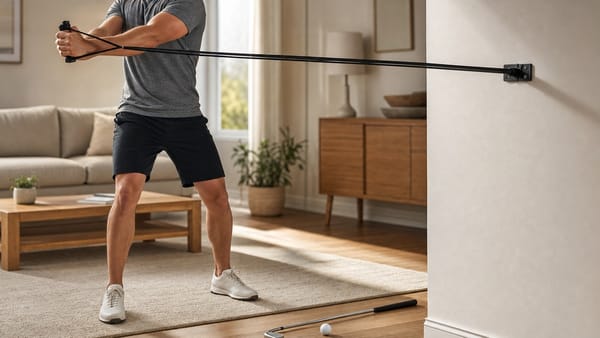
A no-gym, no-gear strength routine that leads with anti-rotation stability, then hip/glute and rotational power, so any golfer can build swing consistency and speed at home.

Heat adds real distance and firm turf decouples carry from total distance, plus how to adjust club selection, short-game shot choice, and heat-safety habits for summer rounds.
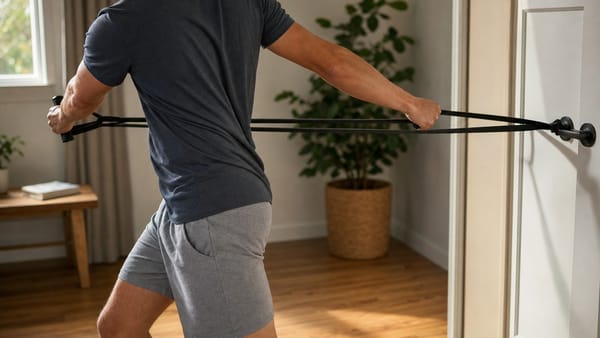
A step-by-step at-home mobility and stretching routine that builds the rotational range of motion behind more golf swing speed.

A bad hole becomes a wrecked round because of tilt, the compounding emotional drift that turns one mistake into three. Here's the repeatable reset system that stops it before the next tee shot.

A framework for judging a golf trip before you book it: the real cost per round, when to go, and how to match the course to the golf you actually play.
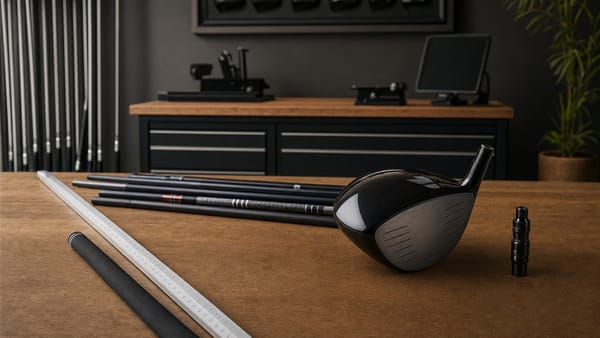
Fit your own driver in the right order: length, then loft, then shaft, then face angle. Skip a step and you fit the wrong target.

Most golfers practice. Fewer test whether that practice transferred. The gap between those two things is where handicaps stall, and it's the problem the 10-Shot Validation System

Breaking 100 is a strategy problem, not a swing problem. The data on where 100+ golfers lose strokes points to big-number holes, three-putts, and short-game decisions inside 100 yards, not driving distance.

Most golfers have an undetected loft gap in their scoring zone. Here's how to audit your wedge setup and fix the configuration for your game.

Strokes gained appears on Arccos dashboards, Shot Scope summaries, and Garmin Golf reports. Most golfers glance at it, don't fully understand what it's measuring, and move