The Wedge Loft Gap Most Golfers Don't Know They Have
Most golfers have an undetected loft gap in their scoring zone. Here's how to audit your wedge setup and fix the configuration for your game.
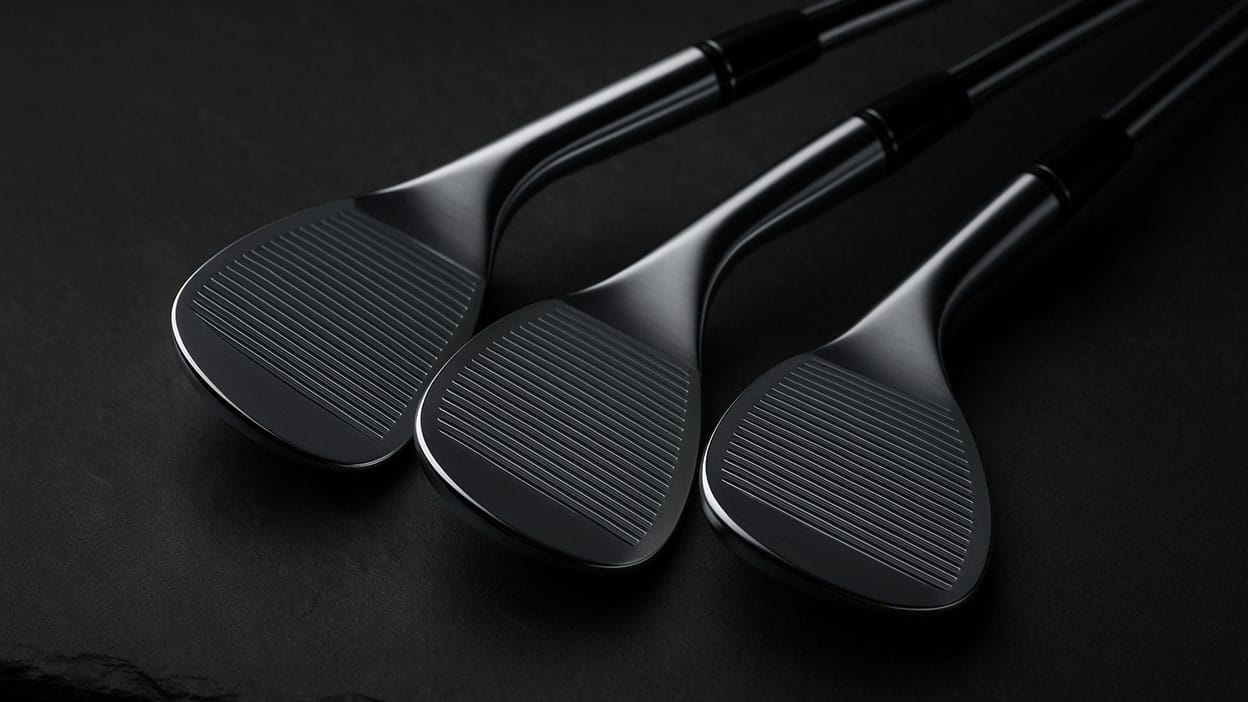
Most golfers carry a pitching wedge and a sand wedge and assume the gap between them is covered. A loft difference of 10 degrees or more typically creates a 20-to-30-yard (18-to-27-meter) void in the scoring zone where neither club is reliable. That problem shows up in handicaps more consistently than most players recognize.
This is a configuration problem, and it has a direct fix: audit your current loft gaps, identify the void, and fill it with the right wedge at the right loft.
- 1.Most golfers have a loft gap of 10 degrees or more between pitching wedge and sand wedge, creating a 20-to-30-yard (18-to-27-meter) distance void in the scoring zone.
- 2.Modern game-improvement iron sets frequently ship with pitching wedges at 40-44 degrees, not the traditional 46-48. Check yours first.
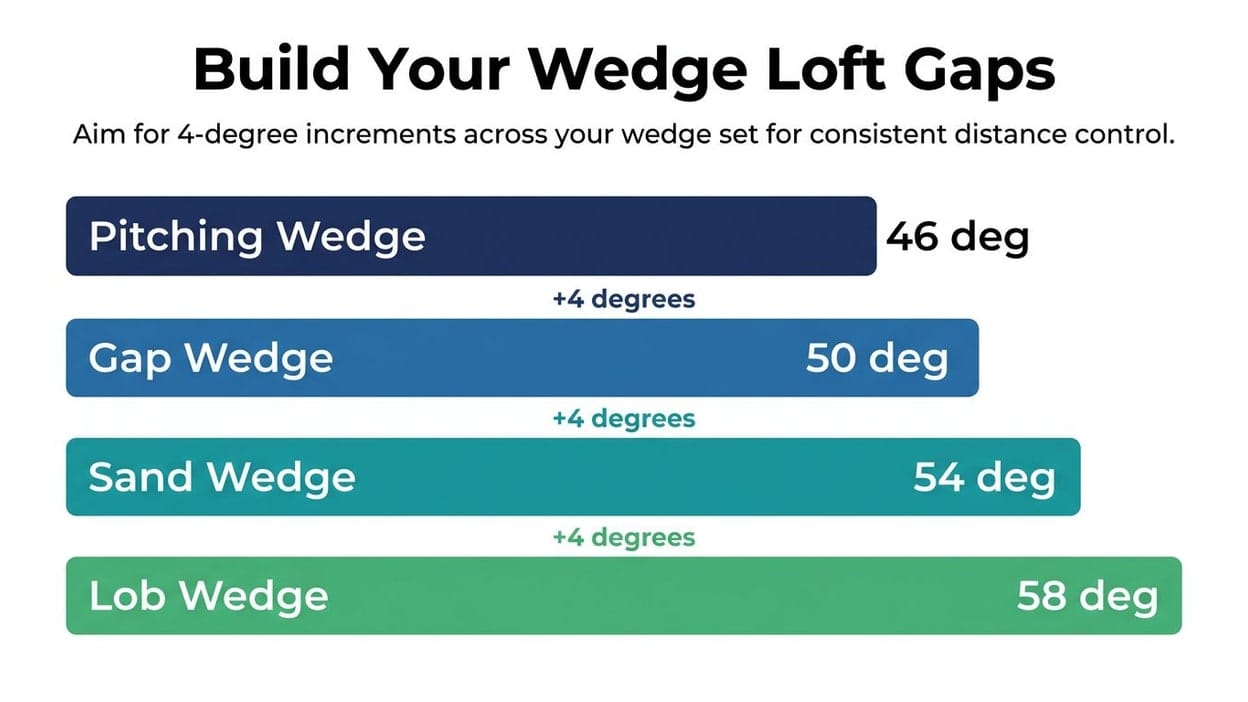
- 3.Target 4-degree loft increments across your wedge set. Any gap wider than 6 degrees is producing a distance void.
- 4.Three wedges (not counting the pitching wedge) covers from 130 yards (119 meters) in for most mid-handicap players.
- 5.Models available in 2-degree increments: Titleist Vokey SM10 (46-62°), Cleveland RTX 6 ZipCore (46-60°), Callaway Jaws Raw (48-64°).
Why loft gaps matter in the scoring zone
The scoring zone (roughly 50 to 140 yards, or 46 to 128 meters, from the pin) is where mid-handicap players lose the most strokes relative to scratch golfers. The primary cause is often not swing mechanics. It's yardage indecision: a player standing over a 100-yard (91-meter) shot who is unsure whether to take a full sand wedge or a controlled pitching wedge is already in trouble before the club moves.
A useful diagnostic: on the next shot between 90 and 115 yards (82 to 105 meters) from the fairway, notice the decision process before the club is chosen. If there's debate, an abbreviated swing, or a guess at address, that yardage is likely sitting in a loft gap.
Published distance testing data from MyGolfSpy has found that mid-handicap players show their highest distance variance when using wedges at awkward yardages where the natural swing weight for that loft doesn't match the required carry. A purpose-built gap wedge at the right loft removes that variable. For how approach-shot distance variance translates to strokes lost across a round, see our Strokes Gained guide.
The iron set problem most players don't know they have
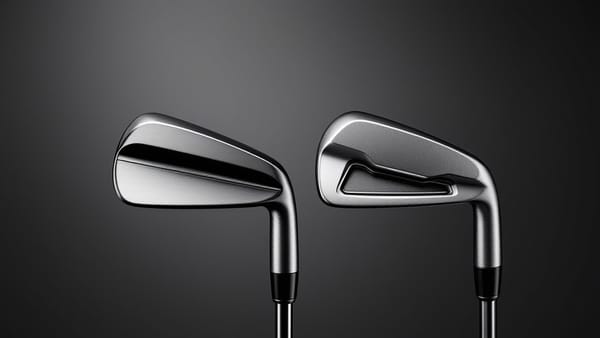
Most iron sets include a pitching wedge, and the loft of that club has changed significantly over the past two decades. Traditional pitching wedges sat at 46-48 degrees. Modern game-improvement iron sets, particularly from TaylorMade, Callaway, and Cobra, frequently ship with pitching wedges in the 40-44 degree range to produce stronger distance numbers on the shaft.
MyGolfSpy iron reviews from 2023 and 2024 repeatedly flagged this trend: GI iron sets with 41-43 degree pitching wedges require an additional gap wedge in the 46-48 degree range before moving to a 52 or 54 degree approach wedge. Without it, the gap at the top of the wedge sequence becomes wider than the gaps between any other clubs in the bag.
Here's what that looks like in practice. A player with a 43-degree pitching wedge who carries a 52-degree gap wedge has a 9-degree gap at the top of their wedge set, significantly wider than the 4-degree gaps they likely have through the rest of the set. That 9-degree gap typically corresponds to a 20-to-25-yard (18-to-23-meter) distance void.
How to audit your current setup
The audit takes three steps.
Step 1: Find your pitching wedge loft. The loft is stamped on the hosel of most modern irons. If not, the manufacturer's spec page for your specific iron model lists it. For older sets, Golf Digest's annual equipment databases and MyGolfSpy's iron reviews archive pitching wedge lofts for most major models.
Step 2: List your wedge lofts from pitching wedge to lob wedge. Write them out: for example, 44° PW, 52° GW, 56° SW, 60° LW.
Step 3: Identify the gaps. Target consistent 4-degree increments. Any gap wider than 6 degrees is likely producing a distance void in play. In the example above, the 44-to-52 gap is 8 degrees. That's the problem.
The fix: three wedges and the 4-degree framework
For most mid-handicap players, three dedicated wedges (not counting the pitching wedge) provide full coverage from 130 yards (119 meters) in. The target is 4-degree increments between clubs.
A typical starting configuration for a player with a 46-degree pitching wedge:
- 50 or 52-degree gap/approach wedge
- 56-degree sand wedge
- 60-degree lob wedge
Each 4-degree step represents roughly 10-15 yards (9-14 meters) less carry distance for a mid-handicapper, depending on swing speed. That spacing gives a defined club for each band in the scoring zone.
If your iron set has a 43-degree pitching wedge, the sequence should start at 47 or 48 degrees before moving to 52, 56, and 60. This adds a fourth wedge. Most players accommodate this by removing a long iron or rescue club they use infrequently.
Choosing wedges that make gapping easy
The practical requirement is a model available in 2-degree increments across a wide loft range, so gaps can be filled precisely. Three options that meet this:
Titleist Vokey SM10: Available from 46 to 62 degrees in 2-degree steps, with multiple bounce and grind options for different turf and course conditions. The SM10 introduces microtexture milling designed to maintain spin consistency across wet and dry conditions, per Titleist's published specifications. Read our Vokey SM10 review for the full verdict. Buy on Amazon
Cleveland RTX 6 ZipCore: Available from 46 to 60 degrees. The ZipCore construction shifts weight distribution lower in the head to improve launch angle consistency across a range of lie conditions, per Cleveland's published technical specification. A broad loft range and competitive price point make it a practical gapping option. Buy on Amazon
Callaway Jaws Raw: Available from 48 to 64 degrees. The raw carbon steel face finish oxidizes over time, which Callaway states increases surface friction in wet conditions. The upper end of the loft range (60-64 degrees) is particularly relevant for players who need a genuine lob option on top of their standard three-wedge setup. Buy on Amazon
All three are available in left-hand configurations and across shaft options. A loft gapping session with a local club fitter (typically 30 minutes with a launch monitor) will confirm which specific lofts match the right carry distances for your swing speed before purchase.
Frequently Asked Questions
How many wedges should a mid-handicapper carry?
Three dedicated wedges in addition to the pitching wedge in your iron set is the standard recommendation for mid-handicap players. That setup covers roughly 130 yards (119 meters) in with consistent 4-degree loft increments. Four wedges can offer more short-game versatility but requires removing another club to stay within the 14-club limit.
How do I find the loft of my pitching wedge?
Check the hosel of the club. The loft is stamped there on most modern irons. If it isn't visible, the manufacturer's spec page for your iron model lists it. MyGolfSpy and Golf Digest maintain archived iron reviews that include pitching wedge lofts for most major sets from the past decade.
What is a good loft gap between wedges?
Four degrees per step is the standard benchmark. Gaps wider than 6 degrees typically produce a distance void, a yardage range where neither adjacent club generates reliable carry distances. Consistent 4-degree spacing from pitching wedge through lob wedge gives a defined club for each distance band in the scoring zone.
Should I carry a 60-degree lob wedge?
For most mid-handicap players, a 60-degree lob wedge is optional. The more critical gap to fill is between the pitching wedge and sand wedge. A lob wedge adds versatility from 40 yards (37 meters) and in but is one of the harder clubs to use consistently. Some mid-handicappers get better results carrying a gap wedge in place of the lob wedge.
Does brand matter when building a gapping setup?
Brand matters less than loft range. The priority is a model available in 2-degree increments across the target loft range so gaps can be filled precisely. The Titleist Vokey SM10, Cleveland RTX 6 ZipCore, and Callaway Jaws Raw all offer the range needed for most configurations.
Some links in this article are affiliate links. If you buy through them, I earn a small commission at no extra cost to you. This never influences what I cover or recommend. I link to gear I'd buy myself.









The golf newsletter that cuts the hype
Data-backed reviews and advice that works. No brand spin.
Recommended products