Best Putting Aids & Trainers for Golfers Who Miss Short Putts, 2026
A comparison guide to the best putting aids and trainers for golfers who miss short putts, matched to the specific miss each one fixes.
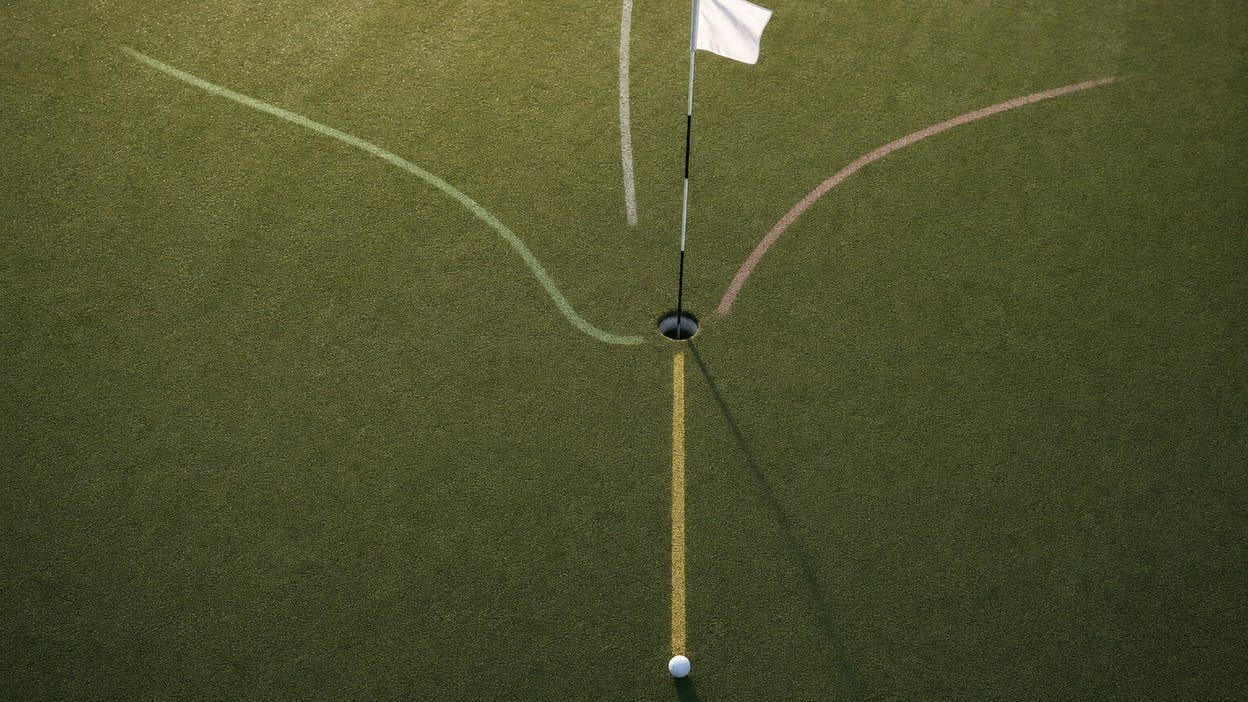
Missed short putts usually trace back to one of three causes: bad alignment, an inconsistent stroke path, or poor speed control, and the right training aid depends on which one is actually the problem. This guide matches five of the most-recommended putting aids to the specific miss each one is built to fix.
- Alignment problems: the EyeLine Putting Alignment Mirror checks eye position, shoulder line, and putter face at address.
- Stroke path and face control: the PuttOut Pressure Putt Trainer, our top-reviewed single pick, builds a repeatable, on-line stroke.
- Distance control: the Perfect Practice Putting Mat gives instant feedback on speed with a true-roll surface and marked distances.
- Realistic green feel indoors: the SKLZ Accelerator Pro putting mat combines a true-roll surface with a ball return for higher-volume practice.
- Budget alignment fix: a set of adjustable putting gates checks putter face release for a fraction of the cost of a full mirror system.
How to match a putting aid to your specific miss
The mistake most golfers make with putting aids is buying the one that's trending rather than the one that fixes their actual miss. A golfer who reads greens well and starts putts online but consistently leaves them short or blows them past the hole doesn't have an alignment problem, they have a speed problem, and an alignment mirror won't touch that. The reverse is just as common: a golfer with good speed control who still misses inside 6 feet (1.8m) more often than they should is usually missing because the putter face isn't square at impact, not because the pace was wrong.
Diagnosing the miss before buying the aid saves money and practice time both. A simple self-check: putt ten balls from 6 feet (1.8m) and note whether the misses cluster short and long (a speed problem) or left and right (an alignment or face-control problem). That single test points toward one of the categories below far more reliably than picking whichever aid has the most reviews, and I'll admit my own instinct still reaches for an alignment drill before a speed drill almost every time I've got a free hour on the practice green, even though speed control is the more common actual cause of three-putts from outside 30 feet (9.1m).
Best for alignment: EyeLine Putting Alignment Mirror
The EyeLine mirror lays flat on the green and shows three things at once: whether the eyes are positioned over or inside the target line, whether the shoulders are square to it, and whether the putter face is aimed where the golfer thinks it is. Independent reviews and owner reports consistently point to the same strength, it's a fast, low-friction check that catches setup faults a golfer can't see or feel on their own, since alignment errors typically happen without the golfer noticing at address.
It's a fit for golfers whose short-putt misses cluster in one direction consistently, left or right rather than short or long, since that pattern usually points to a face or alignment fault rather than a touch problem. It's a weaker fit for a golfer already confident in their setup who's missing on speed instead.
Buy: EyeLine Putting Alignment Mirror on Amazon
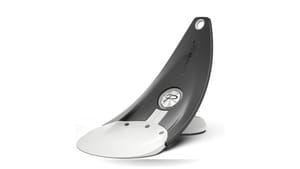
Best for stroke path and face control: PuttOut Pressure Putt Trainer
The PuttOut Pressure Putt Trainer is the single most-recommended budget putting aid across independent review coverage, and for good reason: its curved base only accepts a putt struck at the right speed and the right line, so a mis-hit simply doesn't drop, rather than dropping anyway and hiding the fault. That built-in pressure element is what separates it from most stroke trainers, which show a fault after the fact rather than punishing it in real time.
It's a strong fit for golfers who putt fine on an easy practice green but tighten up over putts that actually matter, since the trainer recreates some of that pressure in practice, the same gap our guide to converting short putts under pressure covers from the mental side. We cover the trainer in full in our PuttOut Pressure Putt Trainer review, including how it compares to letting a ball just fall into a normal cup.
Best for distance control: Perfect Practice Putting Mat
Distance control is the harder skill to train indoors, since most practice greens at home are too short to simulate a real 20-foot (6.1m) lag putt. The Perfect Practice Putting Mat addresses that with a true-roll surface and marked distance points, giving a golfer repeatable feedback on whether a given stroke length produces the pace they expect, without needing an actual green to test it on.
Owner reports consistently mention the surface reading truer than a standard indoor mat, close enough to real green speed that stroke-length calibration done on the mat carries over to the course. It's the right pick for a golfer whose short-putt misses trace back to a first-putt distance problem rather than the short putt itself, since better speed control on the approach putt is what shrinks the following short putt to something makeable.
Buy: Perfect Practice Putting Mat on Amazon
Best for realistic green feel indoors: SKLZ Accelerator Pro Putting Mat
The SKLZ Accelerator Pro mat pairs a true-roll surface with an automatic ball return, which changes the practical math of indoor practice more than it sounds like it should. A golfer who has to walk down and collect balls after every few putts practices less than one who can putt continuously, and volume matters for building a repeatable stroke. Independent coverage frequently highlights the ball return as the practical difference between a mat that gets used daily and one that gets rolled up after a week.
It's a fit for a golfer who wants a general-purpose indoor setup that supports both stroke-path work and distance work rather than isolating one skill, since the longer surface and multiple marked distances support both kinds of drills.
Buy: SKLZ Accelerator Pro Putting Mat on Amazon
Best budget option: adjustable putting gates
For a golfer who wants the alignment-checking function of a mirror system without the cost, a set of adjustable putting gates does a narrower version of the same job. The gate sits just wider than the ball, and a putt that clips the gate on the way through confirms the putter face wasn't square at release, the same fault the EyeLine mirror is built to catch, just confirmed by contact instead of by reflection.
It's the right starting point for a golfer who isn't sure yet whether they need a dedicated putting-aid budget at all, since the gate drill is cheap, portable, and teaches the same face-awareness habit the pricier options build on.
Buy: FINGER TEN Putting Gates on Amazon
Picks by use case
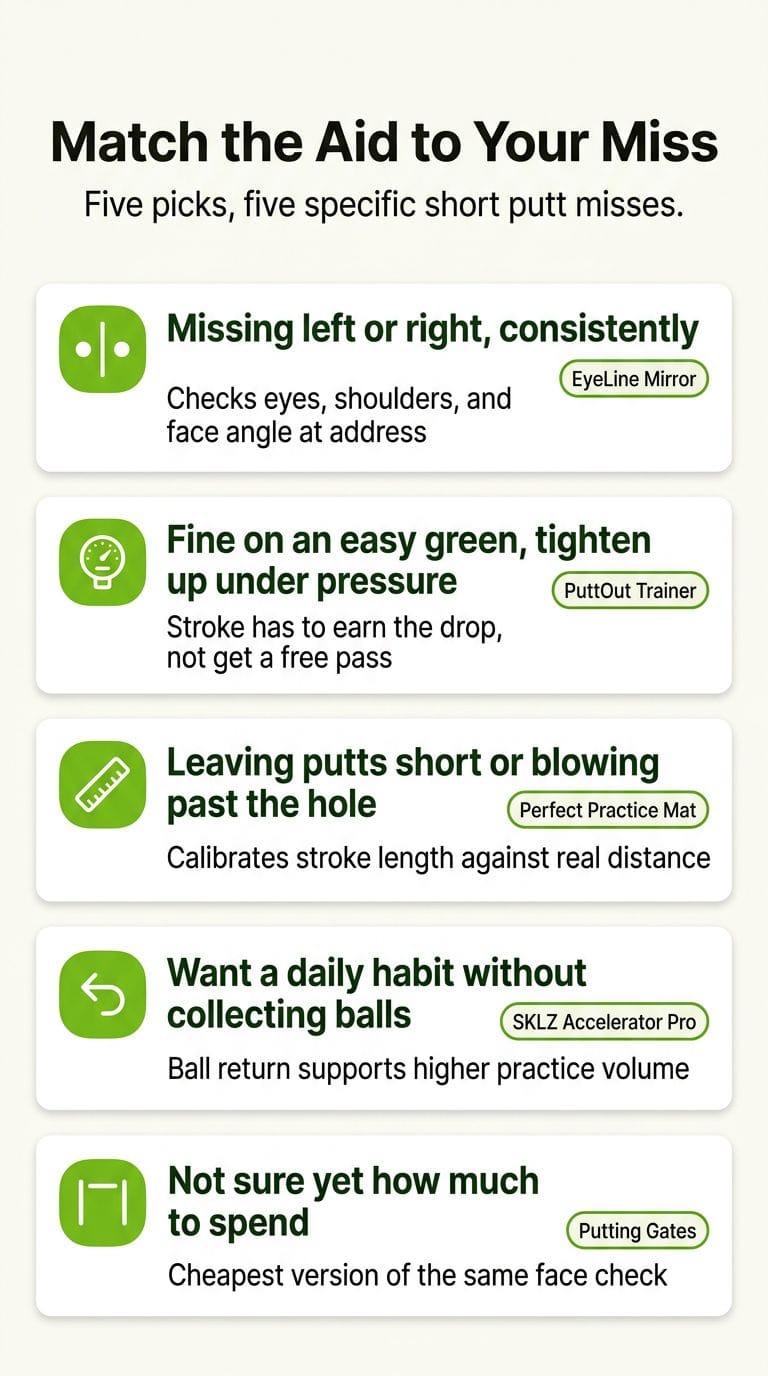
- Missing short putts left or right, consistently: EyeLine Putting Alignment Mirror, for direct feedback on eyes, shoulders, and face angle at address.
- Putting fine on an empty green but tightening up when it counts: PuttOut Pressure Putt Trainer, for a stroke that has to earn the drop rather than getting a free pass.
- Leaving lag putts short or blowing them past the hole: Perfect Practice Putting Mat, for calibrating stroke length against real distance feedback.
- Wanting a daily indoor habit without collecting balls constantly: SKLZ Accelerator Pro Putting Mat, for the ball-return convenience that supports higher practice volume.
- Not sure yet how much to spend on this: adjustable putting gates, for the cheapest version of the same face-awareness check the pricier mirror provides.
Frequently Asked Questions
What's the best putting aid for someone who three-putts a lot?
Three-putting is more often a distance-control problem than a short-putt problem, since most three-putts start with a poor first putt from outside 30 feet (9.1m) rather than a missed tap-in. A distance-focused aid like the Perfect Practice Putting Mat, which gives repeatable feedback on stroke length versus roll distance, targets that specific cause more directly than an alignment mirror does.
Do putting aids actually improve short putts, or is it mostly stroke-count on the practice green?
Both matter, but the aid determines what kind of practice volume actually helps. A pressure-based trainer like the PuttOut only rewards a correctly struck putt, so repetitions on it build a stroke that has to be accurate to count. A plain cup on a mat rewards any putt that happens to fall in, which builds volume without necessarily building accuracy.
Is an alignment mirror or a putting gate better for fixing a face-angle problem?
Both target the same fault from different angles. A mirror shows the fault directly, letting a golfer see exactly how the putter face and shoulders are positioned at address. A gate confirms the fault by contact, after the stroke, rather than before it. A mirror is generally the faster diagnostic tool; a gate is the cheaper option that still builds the same awareness over repeated use.
How many putting aids does a golfer actually need at once?
Usually one, matched to the specific miss identified by a simple self-test rather than several bought at once. Diagnosing whether the miss is a speed problem or an alignment problem first, then buying the aid built for that specific fault, gets more improvement than owning a shelf of training aids that only get used occasionally.
Some links in this article are affiliate links. If you buy through them, I earn a small commission at no extra cost to you. This never influences what I cover or recommend. I link to gear I'd buy myself.






The golf newsletter that cuts the hype
Data-backed reviews and advice that works. No brand spin.
Recommended products