How to Build an Off-Season Practice Plan
A diagnose, prioritize, periodize system built for the off-season, not a single session at the range.

A diagnose, prioritize, periodize system built for the off-season, not a single session at the range.
An off-season practice plan is a multi-week, structured program that uses a diagnosis of where you actually lose strokes to decide what to work on, then spreads that work across blocks of the winter layoff so the improvement survives into next season. That's a different problem than a single practice session. When course access is limited and the swing changes you're chasing need more than a few weeks to hold up under pressure, a plan built around one good range visit or a home mat setup won't get you there. If you want the mechanics of what a strong individual session looks like, Launch Point Golf's home practice routine guide already covers that ground well and this piece assumes you have it. What follows is the layer above it: how to decide what to practice, and how to spread that work across an entire off-season so it actually moves your handicap.
- Diagnose before you practice: run a strokes-gained self-audit to find which category is actually costing you shots.
- Prioritize the categories that respond fastest to focused work, typically putting and around-the-green play for higher-handicap golfers.
- Periodize the off-season into blocks instead of one long undifferentiated grind, spacing sessions across the week rather than piling them into a single day.
- Re-test on a set schedule so the plan adjusts to what's actually improving, not what you assumed would improve.
Why an off-season plan needs its own structure
Off-season practice runs into two constraints a summer weeknight session doesn't. Course access shrinks or disappears, so on-course feedback is scarce for weeks or months at a stretch. And the changes worth making in the off-season are usually bigger than what fits into a single-session structure. Grooving a new takeaway or rebuilding a short-game technique takes longer than four weeks of casual repetition to hold up once the pressure of an actual round returns. That's the gap a periodized, diagnosis-driven plan is built to close: it doesn't replace a good practice session, it decides which sessions to run and in what order across a longer window.
Diagnose before you decide what to work on
The instinct most golfers follow into the off-season is to work on whatever felt worst in their last few rounds. That's a guess, and it's often the wrong one. A strokes-gained self-audit is a more reliable starting point because it measures where shots are actually lost relative to a scoring baseline, category by category, rather than relying on memory of what felt bad. What Is Strokes Gained? covers the full framework and how to run the audit yourself; the short version worth carrying into a practice plan is that the categories don't all respond to practice the same way.
Shot Scope's 2024 data report, covering 18.7 million recorded holes, found that mid-handicap golfers (15 to 20) lose more strokes on approach shots from 100 to 175 yards (91 to 160m) and on chips and pitches inside 30 yards (27m) than they do on the green. That's useful context for the audit: it tells you where to look first, not what to assume about your own game before you've actually measured it.
The volume argument for weighting short-game work points the same direction. Dave Pelz's shot-tracking research, built from 23 years of recorded data, found that roughly 60 percent of an amateur's shots on a given round happen from inside 100 yards (91m) of the hole. That's not a claim about how many strokes are lost there, only how many shots are hit there, but it's a real constraint on practice time: whatever the self-audit says about where you're losing strokes, most of your actual swings in a round are happening on the scoring end of the course, not off the tee.
Prioritize the categories that respond fastest
Once the audit identifies where strokes are going, the next decision is which category to weight practice time toward, and here the categories aren't equal. Per the strokes-gained framework, improving SG: Putting and SG: Around the Green can often be achieved through better decision-making and distance control, both of which respond to focused, repeatable practice in weeks rather than months. Improving SG: Off the Tee and SG: Approach typically requires a meaningful change in ball-striking ability, which takes longer and usually benefits from instruction. That doesn't mean skip full-swing work; it means a golfer whose audit flags putting or around-the-green losses gets a faster return weighting more sessions there first, while a golfer whose audit points at ball-striking should expect that work to span the full off-season rather than a few weeks.
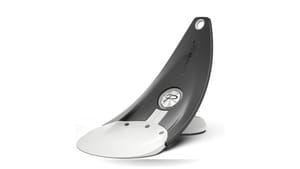
For the putting and around-the-green work specifically, Launch Point Golf's training aids guide covers gear built for exactly this: a pressure putt trainer for building true pace and line, alignment rods for setup checks, and an impact bag for building consistent contact on chips and pitches. If the audit instead points at scoring strategy on a swing you're not ready to overhaul, How to Break 100 With the Swing You Already Have is built for that exact situation and is worth reading alongside this plan rather than duplicated here.
Periodize the off-season into blocks
A single long, undifferentiated grind through the winter is the most common way an off-season plan fails, not from lack of effort but from lack of structure. K. Anders Ericsson's research on deliberate practice, published with Ralf Krampe and Clemens Tesch-Romer in Psychological Review in 1993, found that expert-level improvement comes from practice that's deliberately structured around specific, measurable goals with feedback built in, not from volume alone. A periodized plan applies that idea by breaking the off-season into blocks, each with a specific focus tied back to the diagnosis, rather than one open-ended "work on everything" stretch.
A workable structure for a 3-to-4-month off-season looks like this:
- Weeks 1 to 4 (technical block): Focus almost entirely on the highest-priority category from the audit. If that's putting or around-the-green, this is where the bulk of home-practice-routine sessions get scheduled, run more often per week than a single-session plan would call for.
- Weeks 5 to 8 (integration block): Add the second-priority category without dropping the first, so the plan starts blending skills instead of isolating one at a time.
- Weeks 9 to 12+ (transfer block): Shift a portion of practice time toward simulated on-course pressure, whether that's a short-game course at a facility, a simulator, or structured practice-round scenarios, so the gains hold up once actual rounds resume.
How each block is structured internally matters as much as the sequence of blocks. A 2017 study in Perceptual and Motor Skills (Fazeli, Taheri, and Saberi Kakhki; PMID 28449601) found that random practice, varying the shot on every repetition instead of hitting the same shot repeatedly in a block, produces better long-term skill retention than blocked repetition for golf. Applied to the technical block above, that argues against spending a whole session hitting the same putt length or the same chip over and over; mixing distances and lies within a session builds retention that a blocked session doesn't.
Barzyk and Gruber's 2024 systematic review, "Motor Learning in Golf: A Systematic Review," published in Frontiers in Sports and Active Living, adds a scheduling detail worth building into every block: distributed practice, meaning short, frequent sessions spaced across days, consistently outperforms one long session. Ten minutes a day for six days beats one ninety-minute weekend block. That argues for scheduling off-season sessions more like a habit than an event, which is easier to do in the off-season than in-season precisely because there's no course pulling your time away on weekends.
Physical prep belongs in the plan too, especially heading into a technical block that demands new positions the body isn't used to holding. Launch Point Golf's at-home golf fitness guide is built around exactly this kind of off-season window, when there's more time for strength and mobility work than during a normal playing season. I'll admit my own bias here leans toward underrating the fitness block relative to the technical one, which is a mistake given how much rotational strength work actually supports the swing changes the technical block is trying to build.
Re-test on a schedule, not a feeling
A plan without a re-test point drifts. Re-run the strokes-gained self-audit every three to four weeks, roughly at the boundary of each block above, and compare the new numbers against the original diagnosis. If the priority category is trending in the right direction, keep the allocation. If it isn't, that's more useful information than another month of the same sessions: either the practice isn't structured toward what the audit says matters, or the diagnosis needs revisiting entirely. For readers building toward a specific scoring goal rather than a general handicap drop, pairing this re-test cadence with the tier-specific strategy in How to Break 100 With the Swing You Already Have keeps the plan tied to an actual scoring target instead of an abstract improvement number.
For golfers using the off-season to work toward breaking 100 specifically, the Break 100 workbook (available on Amazon) walks through the scoring-strategy side of that goal in more depth than fits here.
Frequently Asked Questions
How long should an off-season practice plan run?
Should I focus on putting or full-swing work first in the off-season?
How often should I re-test my strokes-gained numbers during the off-season?
Is a periodized off-season plan different from a normal weekly practice routine?
Some links in this article are affiliate links. If you buy through them, I earn a small commission at no extra cost to you. This never influences what I cover or recommend. I link to gear I'd buy myself.









The golf newsletter that cuts the hype
Data-backed reviews and advice that works. No brand spin.
Recommended products