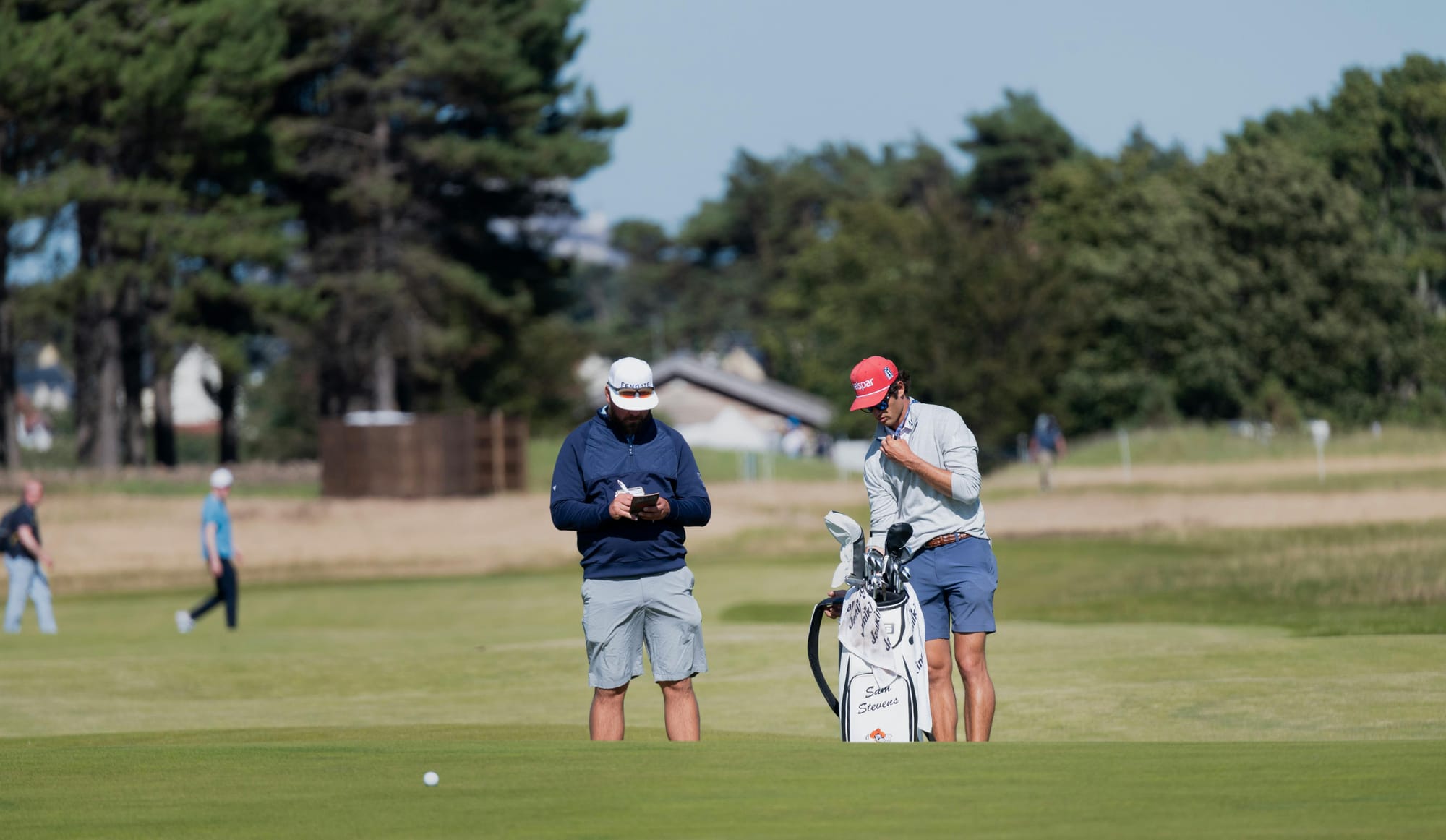
 Intermediate
Buying GuideBest Golf Rangefinders 2026
Six rangefinders ranked by published test data and community consensus, matched to your handicap, with honest pricing.
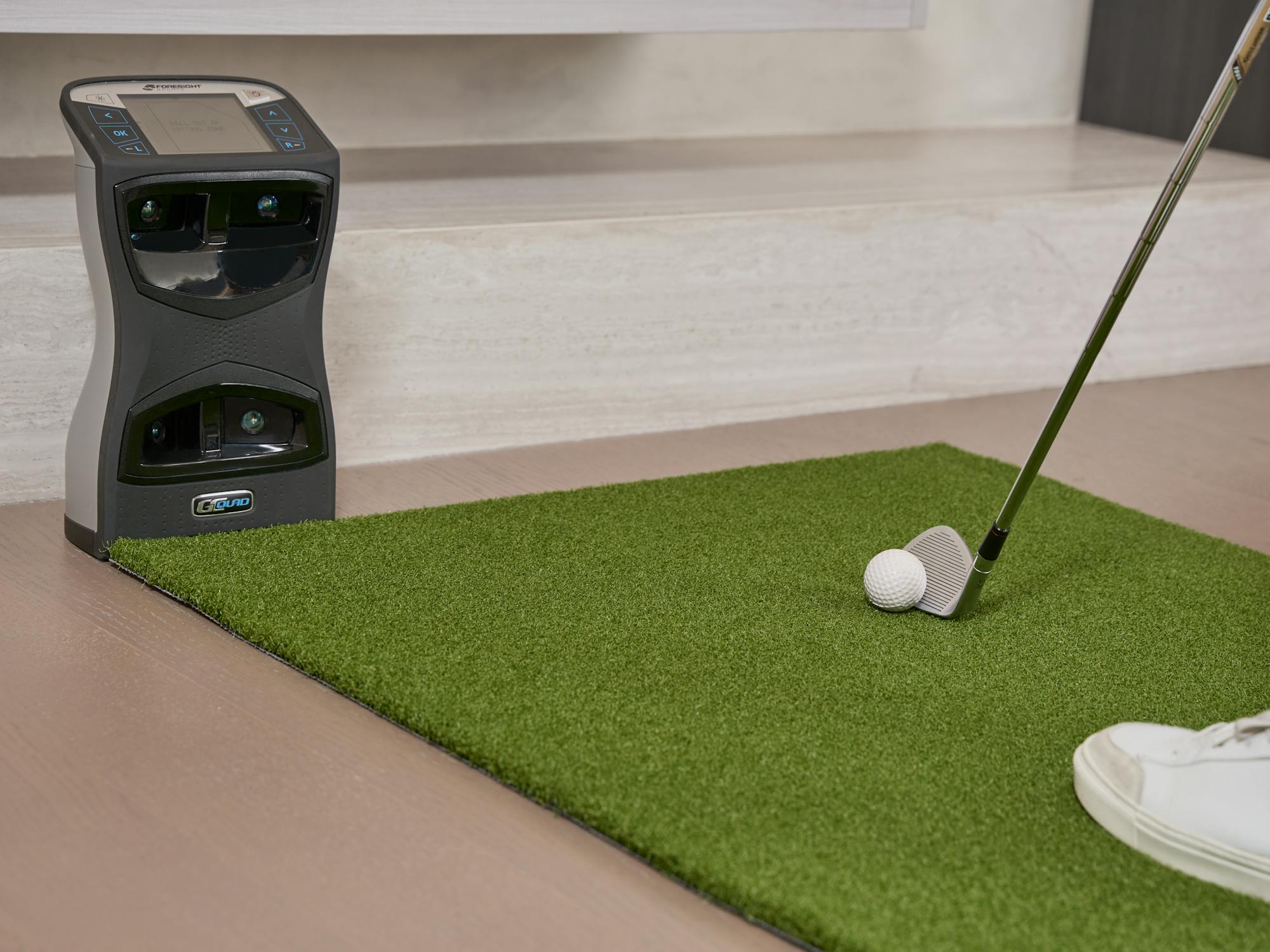 Intermediate
Buying GuideBest Launch Monitor Under $1,000
Four options, one clear answer: MyGolfSpy data, real 12-month ownership costs, and who each monitor actually suits.
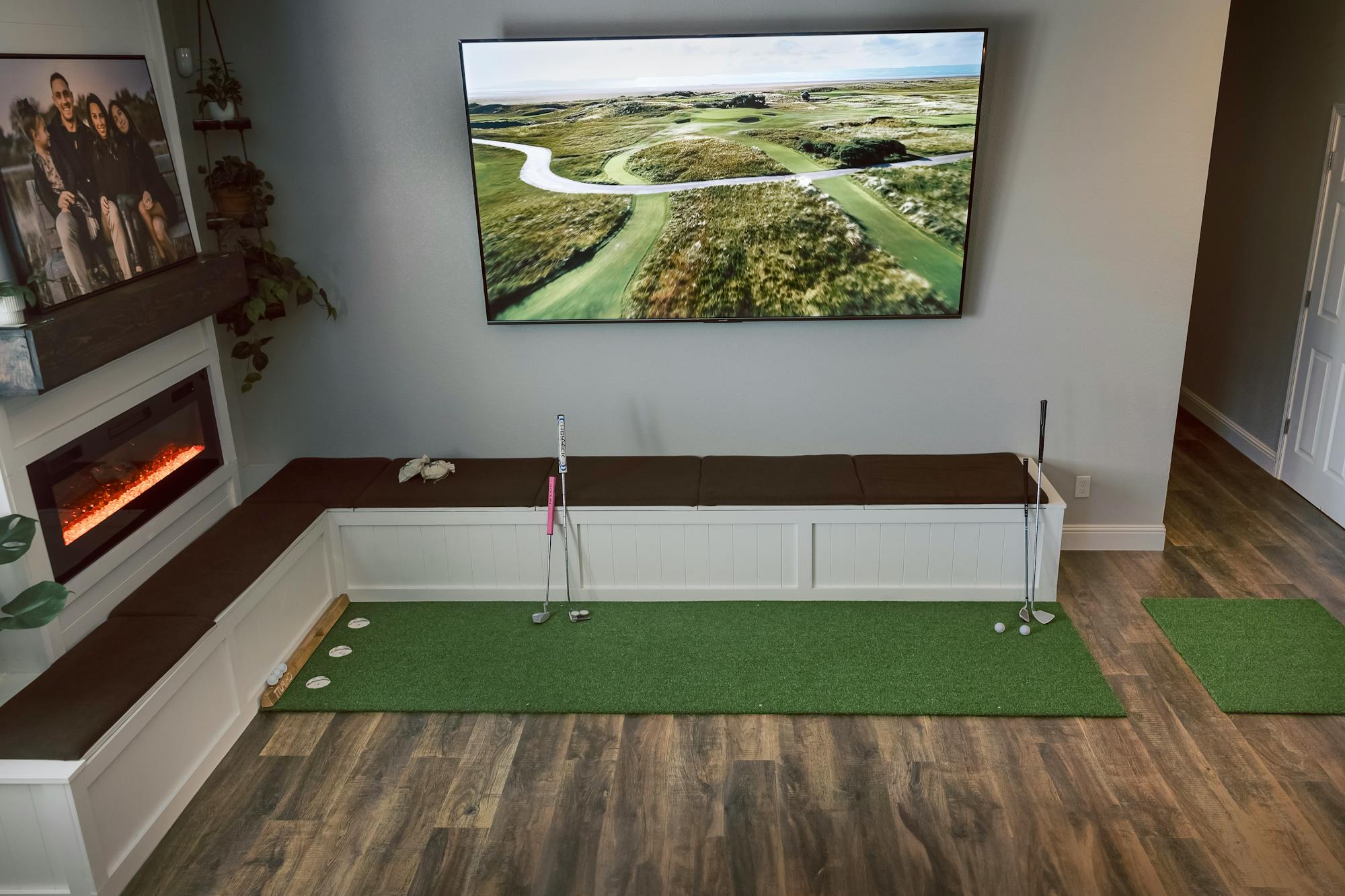 Advanced
Setup GuideHome Golf Simulator Room Planning
What a home simulator actually costs: room dimensions, three budget tiers, and the consumable ball expense nobody mentions.
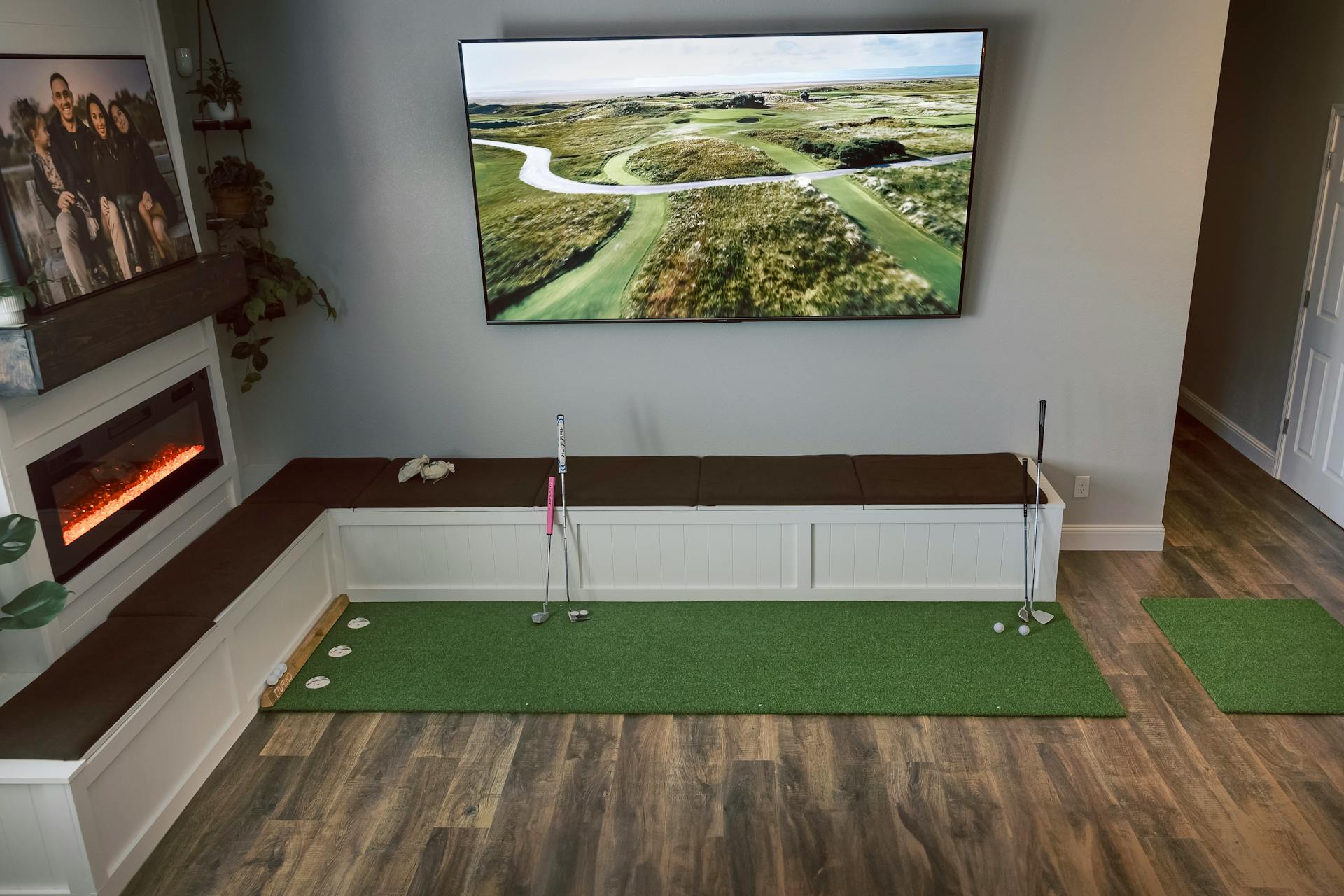 Intermediate
How-To GuideGolf Club Fitting: The Complete Guide
What actually happens in a fitting, what the data means, and how to tell if your fitter is any good.
 Intermediate
Equipment GuideIron Fitting: Why the Right Shaft Matters
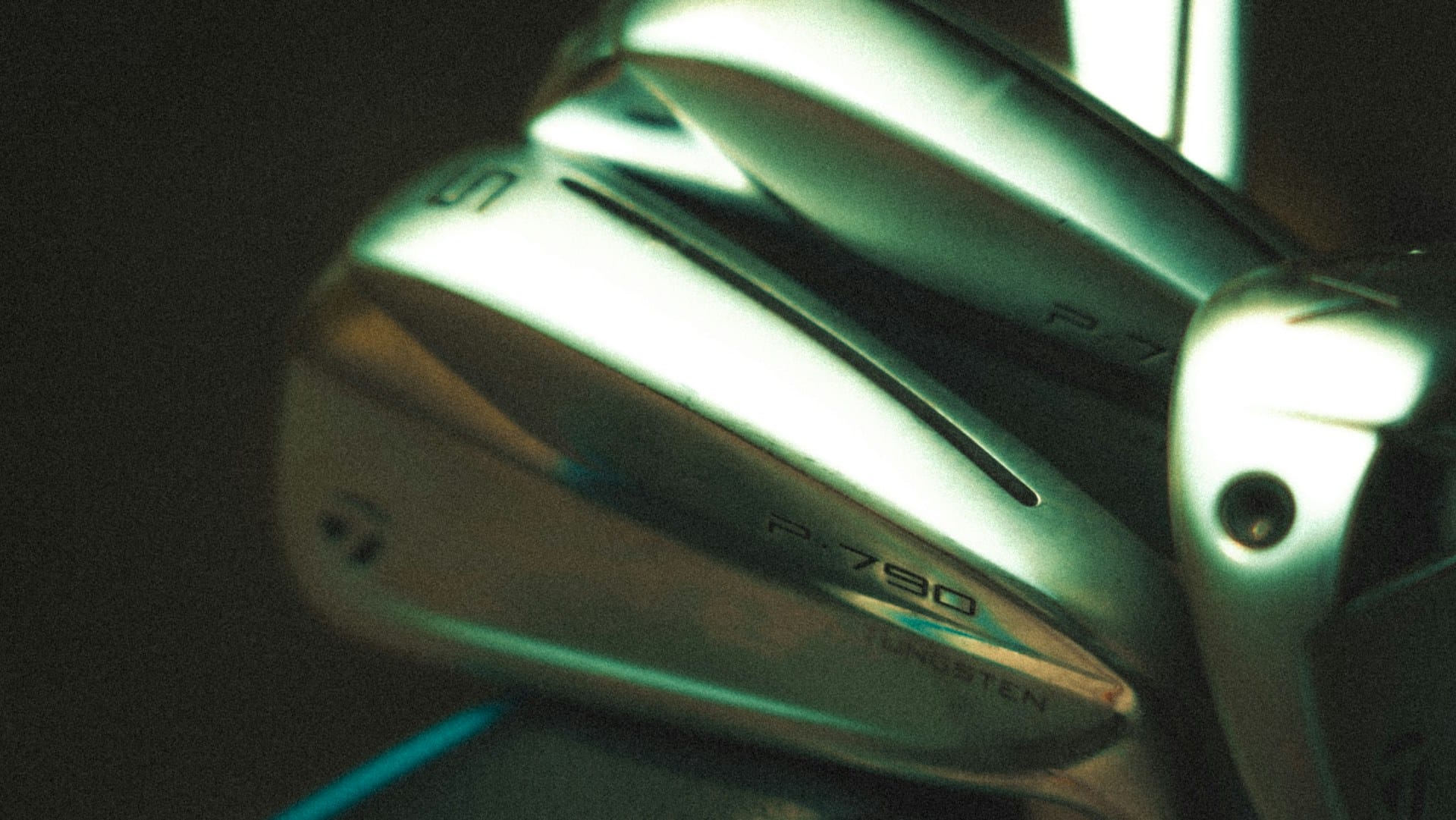
Most mid-handicappers play shafts that are too stiff and too heavy. Here's what iron fitting actually tests, and what it means for your game.
 Beginner
Buying GuideHow to Choose the Right Golf Ball
Cover material, compression, and construction, ranked by what actually matters for 10 to 22 handicap golfers.
 Intermediate
Buying GuideBest Golf Irons for Mid-Handicappers 2026
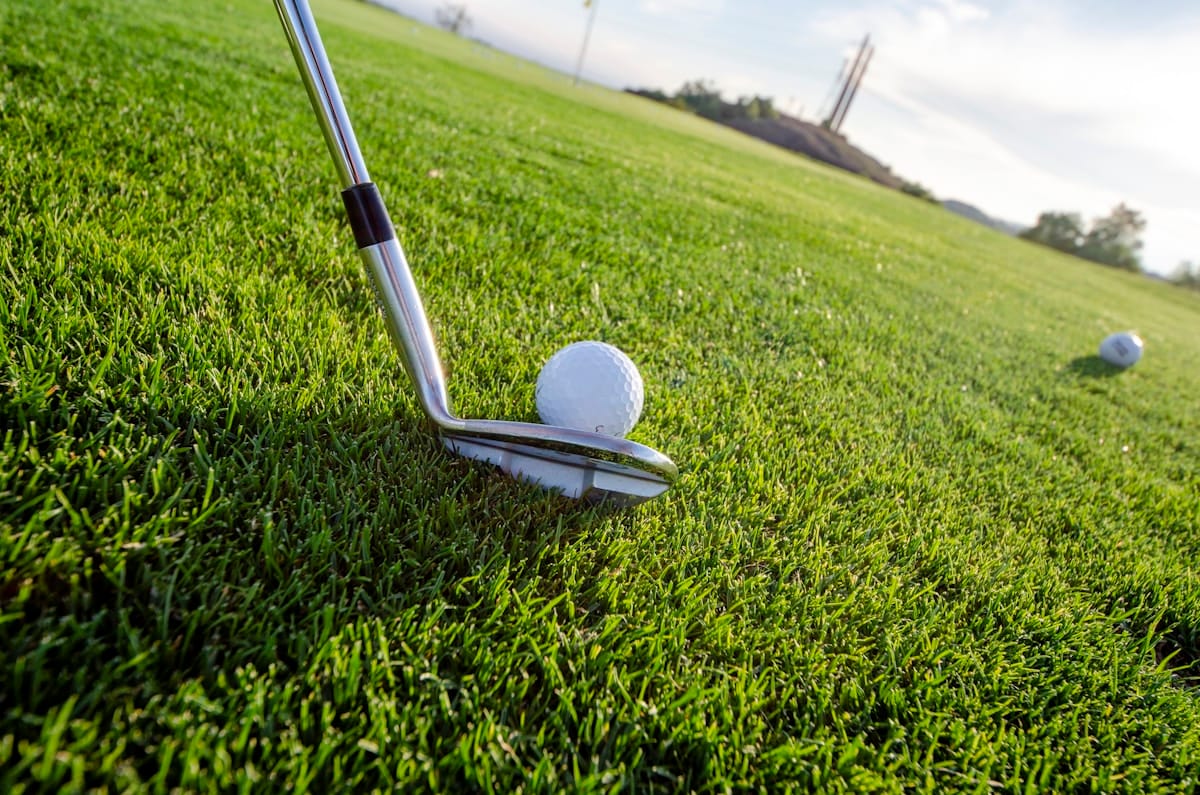
Six irons ranked by independent GCQuad data: loft-adjusted distances, forgiveness ratings, and honest picks for 10 to 18 handicappers.
 Intermediate
Comparison GuideGSPro vs E6 Connect vs TGC 2019
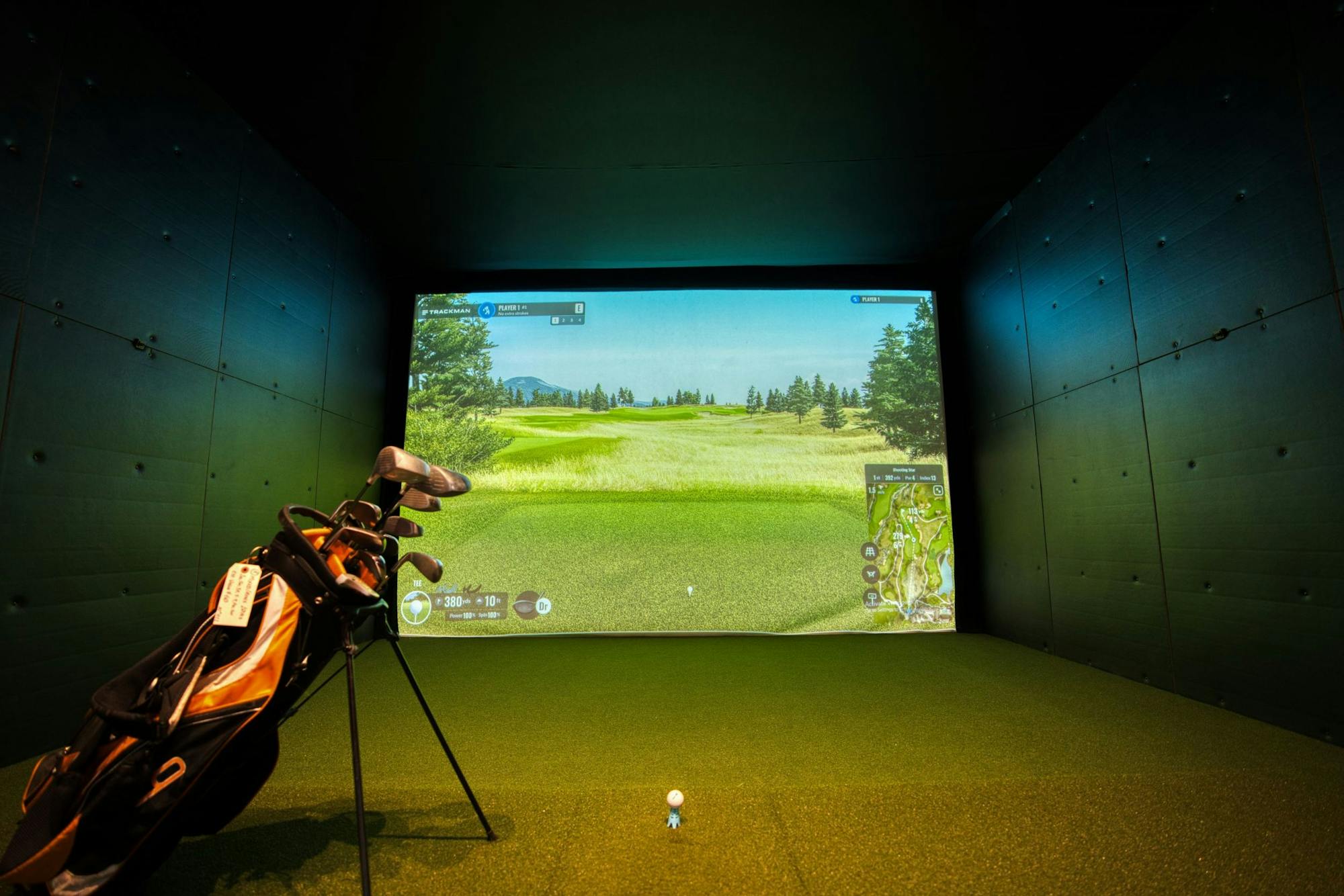
GSPro at $250/yr, E6 at $450/yr, TGC 2019 at $999 once. The compatibility matrix and the honest verdict on which sim software wins.
The spec sheet for rangefinders is mostly noise. Here's what actually matters.
Slope: buy it. An uphill flag at 165 yards (151m) can play like 180 yards (165m). Every quality rangefinder has a tournament-legal toggle: slope on for regular play, off for any event that prohibits it. Don't buy a no-slope unit to save $20. You'll regret it the first time you fly a green on a downhill approach.
Accuracy above $200 is basically the same. Every mid-range unit measures to ±1 yard on a clear flag. The gap between budget and premium isn't precision; it's acquisition speed and glass quality in poor light. A premium unit locks on in under a second on a gray morning. A budget unit hunts. For 40+ rounds a year, that second adds up.
What doesn't move the needle. Magnification above 6x: irrelevant for golf. OLED vs. red LED display: personal preference, not performance. "Military-grade optics": marketing language. Multi-function GPS rangefinder combos that do everything: they do everything adequately and nothing brilliantly. If you play 40+ rounds a year and want precise yardages, buy a dedicated unit.
The guides above cover the rangefinders I'd actually recommend, each one matched to budget, playing frequency, and whether tournament play matters to you.
Frequently Asked Questions
Do I need slope on a rangefinder?
Yes. Uphill and downhill approaches play several clubs differently from the raw carry number: slope gives you the adjusted distance. Every quality rangefinder includes a tournament-legal toggle to disable it for competition. The R&A and USGA now permit slope-capable rangefinders in most amateur strokeplay and matchplay by default. Check your competition's conditions of competition, but there's no practical reason to buy a non-slope unit.
What's the real difference between a $100 and a $400 rangefinder?
Not accuracy: both give you ±1 yard on a clear flag. The gap is target acquisition speed and glass quality in poor light. Budget units can hunt for 2 to 3 seconds before locking on a flag; premium units do it in under a second, consistently, in gray morning conditions. For 10 rounds a year the budget unit is fine. For 40+ rounds a year, the speed and confidence are worth the premium.
Are rangefinders legal in competition?
In most amateur strokeplay and matchplay: yes. The R&A and USGA added rangefinder permission as a local rule in 2006, now adopted as the default in most amateur competitions. The key condition: slope must be disabled. Switch slope off before your round and you're covered in virtually any club event. Check the conditions of competition if you're unsure, but a slope-off rangefinder is almost certainly legal.
Is a GPS watch better than a rangefinder?
Different tools. A GPS watch gives you continuous front/middle/back yardages for every hole, hands-free, at a glance: useful for course management and pacing. A rangefinder gives you precise point-to-point distance to exactly what you're targeting: pin position, hazards, layup points. The best amateurs use both. If you're picking one: rangefinder for shot execution and precise yardages; GPS watch for reading the hole and playing quickly.