

How to Hit a Punch Shot Out of the Trees
And when to just chip out instead
Step-by-step drills and fixes you can take straight to the range or the course.
 How to Hit a Fairway Wood Off the Ground
You can smash a 3-wood off a tee. Put the same club on the turf and the ball comes out low and hot, or skims off the top of
How to Hit a Fairway Wood Off the Ground
You can smash a 3-wood off a tee. Put the same club on the turf and the ball comes out low and hot, or skims off the top of
 How to Set Ball Position for Every Club
Ball position isn't a single spot you set once and reuse for every club in the bag. It moves, club to club, because the goal never changes: get
How to Set Ball Position for Every Club
Ball position isn't a single spot you set once and reuse for every club in the bag. It moves, club to club, because the goal never changes: get
High-spin wedge with multiple grinds and data to support the price
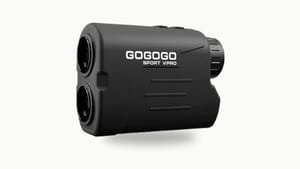
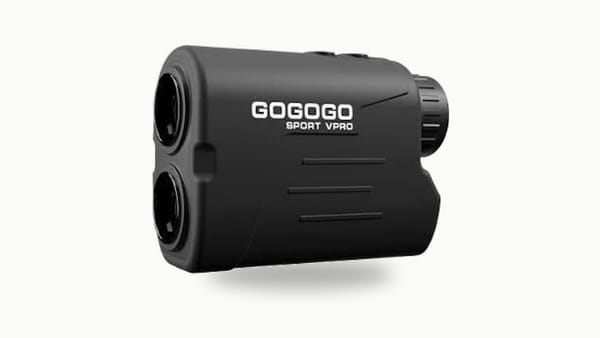
A $60-80 laser that nails straight-line distance in independent testing, but skips the physical slope switch and tournament-grade weatherproofing of pricier units.
A budget-friendly pick for slower swings and higher handicaps, with MyGolfSpy's consistency caveat attached.

And when to just chip out instead

Why you hook the golf ball and how to fix it: grip, face, path, and ball position causes, plus no-device drills that work on the range.

A dirty groove face costs you spin before you even make a bad swing. Golf Digest's March 2026 testing found that a dirty groove face alone causes a 45% spin drop versus a clean one, and that gap shows up most on wedge shots from wet or sandy

Most golfers don't actually know their iron distances. They know their best one. Ask a 15 handicapper how far their 7-iron goes and you'll get the number from the one flush shot they remember from three summers ago, not the number they'd actually
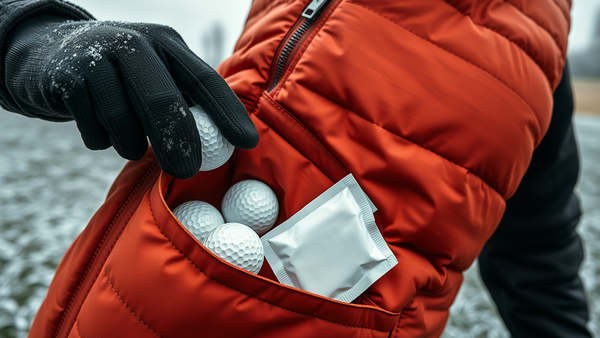
1. Layer and club up: layer with a moisture-wicking base and a stretch mid-layer, keep two or three balls warm in a pocket, take one more club than your summer number, and make a full swing instead of steering it. 2. Distance loss: cold air costs a driver

* Most amateurs play too far back. Comparing self-reported skill to national driving-distance data shows a big gap between where most golfers tee it up and where the numbers say they belong. * Find your real number first. Average your last 5 to 10 rounds of drives, not your one

You pull into the lot ten minutes before your tee time. There's no range, or the range closed at dusk, or you're playing a muni that never had one. The only real estate between you and the first tee is a stretch of cart path and

Most short-game advice teaches the stroke. This is the framework for the decision that comes before it: whether to putt or chip in the first place, and the three checks that tell you which one is right. * Default to putt when the ground lets you. A putt has a

A consistent putting stroke isn't one specific technique. It's a setup, grip, path, and tempo that repeat the same way under pressure as they do on the practice green. Tour pros putt in a wide range of styles, arc strokes and near-straight ones, strong grips

A flop shot clears trouble and stops fast when you're short-sided. Here's how to hit one without blading it or chunking it into the ground.

The downswing drills that fix your transition, whether it's costing you slices, pulls, or fat and thin contact. If you're slicing the ball, start with the face, not the path. Two pieces already on this site, How to Fix a Golf Slice and Why Your Driver

A greenside bunker shot and a fairway bunker shot share a name and almost nothing else. This is the recovery skill for the moment avoidance already failed, the ball found the sand anyway, and the only decision left is how to get it back into play without making the hole worse.

The lie decides the shot, not a blanket rule. How to read a rough lie and pick the fix that actually matches it.

Three quick self-screens for thoracic, hip, and ankle mobility that show exactly where you're restricted, and the swing fault each one is already causing.

A shank is a specific, fixable contact fault, not a curse. Here's what causes it, where teachers disagree, and seven drills that fix it.

A par 3 tee shot is the approach shot. Here's how to pick the right club, aim at the smart target, and play your miss by handicap.

Learn how to play a par 5 the smart way: when to go for the green in two, when to lay up, and how to pick your numbers by handicap.

* Accuracy is one lever, not the master key. Research from Mark Broadie puts the tee shot at roughly 28 percent of the scoring gap between a 90-shooter and an 80-shooter, but distance matters more than accuracy for most recreational players, and fairway-hit rate barely moves across handicap
Data-backed reviews and advice that works. No brand spin.
A launch monitor is a device that measures the physics of your golf swing and ball flight, including club head speed, ball speed, launch angle, spin rate, and carry distance. It gives you accurate, objective data about your game instead of estimates.
No, but having one makes your practice more efficient. Without data, you are guessing whether a swing change is working. With a launch monitor, you can see exactly what changed and whether it moved in the right direction.
James Whitfield synthesizes published data from independent testing labs (MyGolfSpy robot testing, Golf Digest equipment labs), verified club fitter and instructor assessments, and long-term ownership reports. He does not run his own launch monitor sessions. Every performance claim is attributed to a named source with a date.