Donald Ross's turtleback greens, a Coore-and-Crenshaw restoration, and the real cost of playing a course the USGA has locked in as a rotating U.S. Open host through 2047.
Pinehurst No. 2 is the rare course where the greens, not the yardage, are the story. Donald Ross laid it out in 1907 and kept refining it through 1935, and the design that's survived is built around domed, "turtleback" putting surfaces that shed anything short of a precisely placed approach. The course hosted the 2024 U.S. Open, and the USGA has now locked it in as a rotating anchor site through 2047. That's a long-term bet on a course that plays as much like a puzzle as a physical test, and it's why the course keeps showing up at the center of the men's championship rota rather than as a one-off booking.
Donald Ross's 1907 design (refined through 1935) is built around domed "turtleback" greens that punish imprecise approach shots more than raw distance.
Coore and Crenshaw's 2010-12 restoration stripped out rough and brought back native sandy waste areas, moving the course closer to Ross's original look.
At 7,588 yards (6,935m), par 70 for championship play (par 72 for resort guests), with a 76.5 course rating and 138 slope, it plays hard from the tips and is walking-only.
Playing it requires a resort stay (2-night minimum outside championship weeks), with green fees running roughly $500-650 in peak season and $250-400 off-season.
The course and the setting
Pinehurst No. 2 sits at the center of the Pinehurst Resort's nine-course property in the North Carolina Sandhills, the course the resort and the wider golf press treat as the flagship even with eight others on-site. The sandy soil that gives the Sandhills their name is part of why the course plays and drains the way it does: firm, fast, and forgiving of rain in a way a clay-based course further north wouldn't be, which matters for a course that leans on firm turf to make its turtleback greens work as designed. It's walking-only, with or without a caddie, which is part of how the resort has preserved the pace and feel of a Ross-era round rather than letting it drift into cart-path golf. The USGA's decision to make it a rotating anchor site through 2047, on top of hosting the 2024 U.S. Open, put it in a small group of courses with a standing, long-term relationship with the championship rather than a one-off booking.
Tournament history, and the road to 2047
Hosting a U.S. Open is one thing; being named a rotating anchor site is a different, longer-term commitment from the USGA. An anchor site is a course the championship returns to on a set rotation rather than a venue that gets a single booking and moves on, and it signals that the USGA trusts both the course's design and its infrastructure to handle a men's major repeatedly over decades rather than once. Locking Pinehurst No. 2 in through 2047 puts it in a small group of courses with that standing arrangement, and it's a meaningful vote of confidence in a course whose defining feature, the turtleback greens, is a design choice rather than a raw length or difficulty metric. It's a bet that precision-based architecture holds up as a championship test even as driving distance keeps climbing across the professional game.
Design and signature holes: Ross's turtlebacks, and the Coore-and-Crenshaw debate
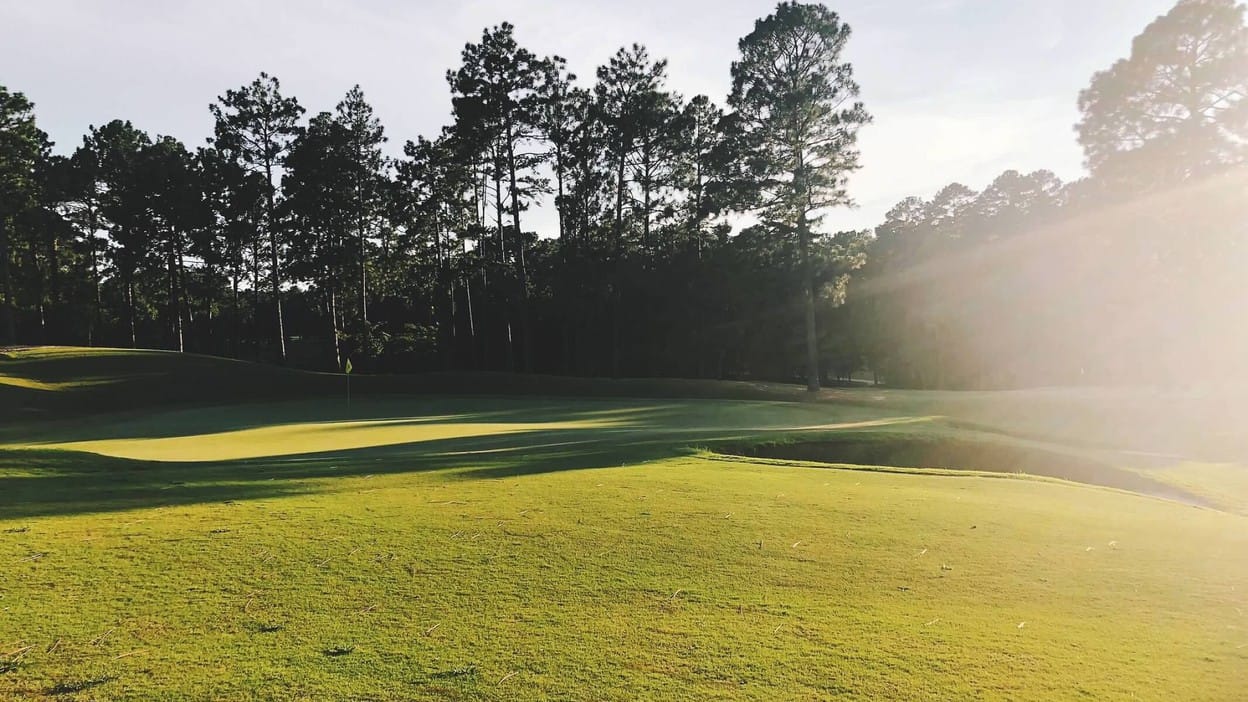
The turtleback greens are the whole argument for playing this course. Ross built them domed and firm, so an approach that's slightly off-line or hit with too much spin doesn't hold the green, it rolls away into a collection area, leaving a short-game shot that demands touch rather than power. That design idea sounds almost unfair described on paper, and it's the kind of thing that only earns my trust once you look at the geometry behind it: a green built to reward the approach that lands in the right third of a small, sloped target, and to punish everything else the same way regardless of how well the shot was struck, is a fundamentally different (and fairer) test than one built around a single unlucky bounce.
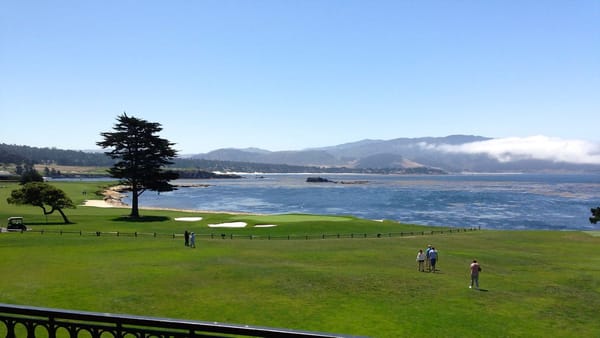
The course most people are watching today isn't quite the one that existed for most of its life. Coore and Crenshaw's 2010-12 restoration stripped out the manicured rough that had crept in over decades and brought back the native sandy waste areas and wiregrass that defined Ross's original design, working from historical photographs and agronomic research into what the course looked like before mid-century maintenance standards smoothed it over. The change wasn't universally welcomed at the time: some worried that removing rough would make the course more forgiving off the tee, while others argued the restored sandy waste areas are a stricter, more strategic hazard than rough ever was, since a wayward drive can end up in a sandy lie with no clean stance rather than just a manageable rough lie. Both reactions have some truth to them, which is probably why the restoration is still discussed as a genuine architectural pivot rather than a settled improvement. Either way, the visual effect is the bigger change for most visitors: instead of a strip of uniform green rough bordering every fairway, the sandy waste areas put bare ground, wiregrass clumps, and scattered pine straw directly into a player's sightline, which is a much closer match to how the course actually looked when Ross built it than the heavily manicured, rough-lined version it had become by the time the restoration started.
How it plays, and who it's built for
The turtleback greens mean Pinehurst No. 2 rewards a specific skill set more than raw power: precise iron play into small, contoured targets, and a short game good enough to handle greenside recoveries that regularly ask for bump-and-runs, putts from the fringe, and delicate pitches out of sandy collection areas. That profile suits a serious, low-single-digit-handicap golfer who wants to be tested on shot-making and course management rather than length. A weekend player who shoots in the 90s or 100s can still play it and get plenty out of the history and the architecture, but should expect a longer, more frustrating day than a standard resort course, since the greens punish the kind of slightly-off approach that a mid-or-high-handicap golfer hits more often than not. This isn't a course built to flatter a big miss.
The walking-only format matters here too. Without a cart to shuttle between shots, the round naturally slows to a pace that suits how much thinking the greens demand: reading a turtleback correctly, picking the right entry point for an approach, and deciding whether a bump-and-run or a lofted pitch is the better recovery from a collection area all take a beat longer than a standard target-golf decision. A caddie who knows the greens is the fastest way to shortcut that learning curve for a first-time visitor, though it's optional rather than required, so a golfer comfortable reading unfamiliar greens can walk it alone and still get around at a reasonable pace.
Access and the real cost
Pinehurst No. 2 isn't bookable as a standalone tee time outside championship weeks; it requires a resort stay, with a 2-night minimum. Green fees run roughly $500-650 during peak season (March-May and September-November) and roughly $250-400 in the off-season (June-August and December-February), on top of the required lodging. It's walking-only, and a caddie is optional rather than mandatory, which keeps the cost from ballooning further for golfers happy to carry or push their own bag. The 2-night minimum also means a Pinehurst No. 2 round is never really a standalone purchase; it's the anchor of a longer resort stay that typically includes access to the other eight courses on-site, which is worth factoring into the real cost of the trip rather than pricing the round in isolation. For anyone weighing this against other bucket-list stops, Launch Point Golf's golf trip planning guide covers how to budget a multi-course trip like this one so the resort-stay requirement doesn't blow out the rest of the itinerary.
The verdict
Pinehurst No. 2 earns its reputation, but it earns it for a specific kind of golfer. If you're a low-handicap player who wants a genuine test of precision and short-game creativity, and you're willing to pay resort-gated peak pricing and play at a walking pace, this is one of the few American courses that lives up to the hype around it. If you're closer to a 90s-or-100s shooter looking for a scenic, forgiving resort round, the turtleback greens will likely frustrate more than they delight, and a different course on the property (or elsewhere) will get you a better day for less money. The restoration work means what you're playing today is closer to Ross's original intent than the course that hosted the 1999 and 2005 U.S. Opens, which makes it a more interesting visit for anyone who cares about golf architecture specifically, not just golf.
Frequently Asked Questions
How long is Pinehurst No. 2, and what does it play to?
Pinehurst No. 2 plays to 7,588 yards (6,935m) from the championship tees, with a par of 70 for competitive play (par 72 for resort guests), a course rating of 76.5, and a slope of 138.
Can I book a tee time at Pinehurst No. 2 without staying at the resort?
No. Outside championship weeks, Pinehurst No. 2 is only bookable as part of a resort stay, with a 2-night minimum. There's no standalone public tee time option.
How much does it cost to play Pinehurst No. 2?
Green fees run roughly $500-650 during peak season (March-May and September-November) and roughly $250-400 in the off-season (June-August and December-February), on top of the required resort stay.
What makes Pinehurst No. 2's greens different from a typical course?
Donald Ross designed the greens with a domed, "turtleback" shape that sheds approach shots landing short of the target rather than holding them, so misses roll away into collection areas instead of stopping on the putting surface. That demands precise iron play and a strong short game more than raw distance.
Photo: Julianibarra / Wikimedia Commons, CC0 1.0