When to Replace Your Golf Clubs: The Signs to Look For
Wedges wear out every 12-18 months and lose up to 24% spin. Here's what the data says about when to replace golf clubs, grips, irons, drivers, and putters.
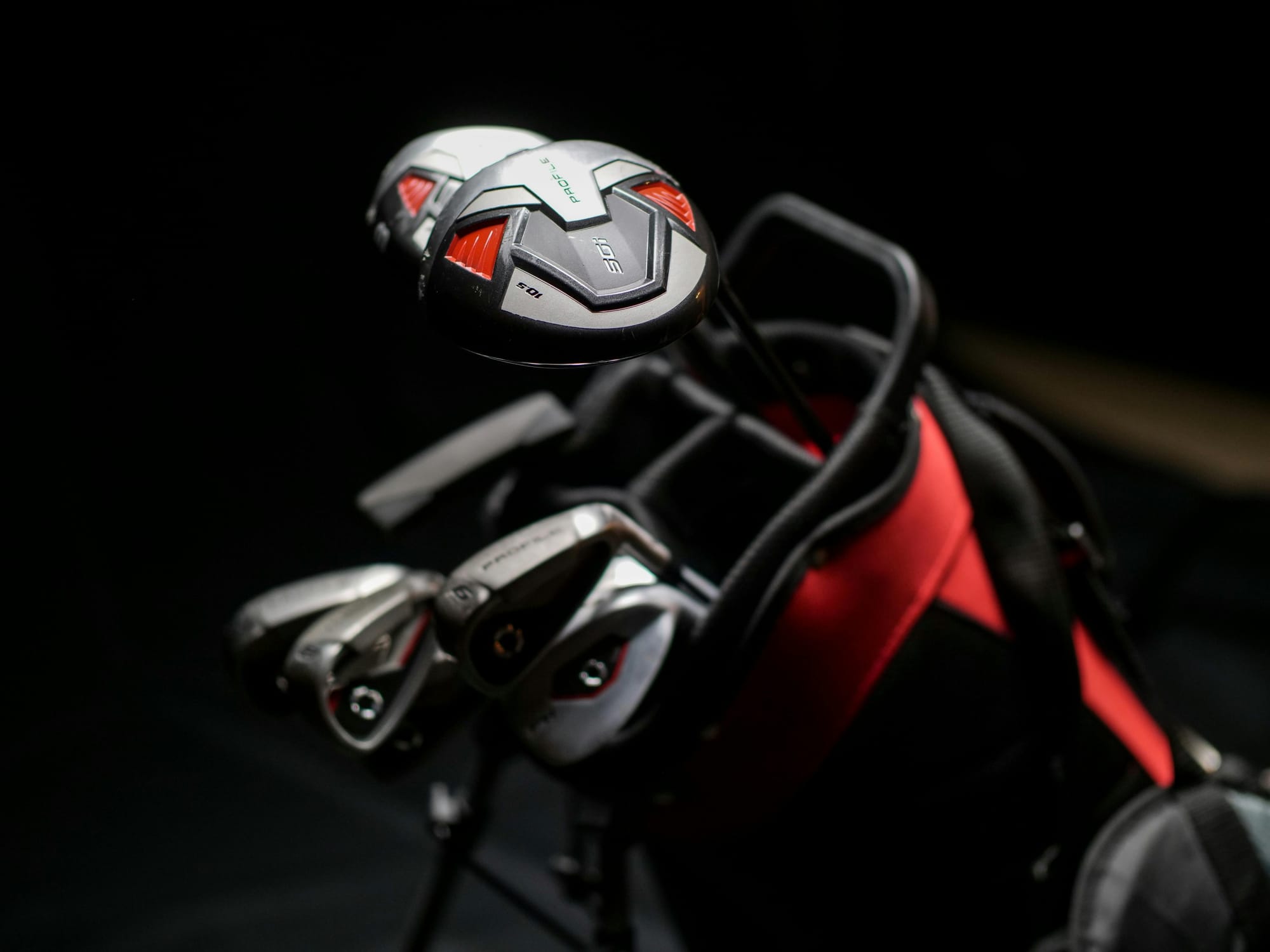
Most golfers replace the wrong clubs at the wrong time. They drop $600 (£480) on a new driver every two years while playing the same wedge for six seasons. The data says we have got it backwards. Wedges and grips wear out on a measurable schedule. Drivers, irons, and putters don't, at least not in the ways people assume.
This is a question of evidence, not gut feel. Below is what the published testing shows about when to replace golf clubs: which categories wear out, which don't, and how to audit your own bag in ten minutes.
- 1.Wedges lose 15 to 24% of their spin between 75 and 125 rounds. This is the one club where wear hurts your scoring.
- 2.Grips should be swapped every 40 rounds or 12 months, whichever comes first. Worn grips add 3 to 4 shots per round through grip pressure alone.
- 3.Irons are not a meaningful wear concern for amateurs within 10 to 15 years of normal play. Replace for fit, not for face wear.
- 4.Driver faces can get faster with use, not slower. The credit card test catches the rare cases of actual face damage.
- 5.Putters and putter inserts don't wear in any way that matters. Replace when a fitting reveals a stroke mismatch.
Wedges: the one piece of equipment that genuinely wears out
Titleist's robot testing on Vokey wedges is the cleanest data set we have. Spin starts at 8,500 RPM on a fresh face. After 75 rounds it drops to 7,400 RPM. By 125 rounds the club sits at 6,500 RPM. That's a 24% loss from new, and it shows up where you feel it most: the ball won't check on firm greens.
MyGolfSpy's October 2025 independent test backed this up at 15 to 20% spin degradation over the same range. Golf Digest's March 2026 piece added a useful wrinkle: a dirty groove face alone causes a 45% spin drop versus a clean one. Half of what looks like wear is dirt. Before you buy new wedges, scrub the grooves with a brush and warm soapy water and re-test.
The replacement signal isn't visual. It's behavioural. When chips and pitches stop checking on greens you used to spin back, when shots from the rough release ten feet (3.0m) past the pin instead of stopping, the grooves have lost their bite. Tour caddies swap wedges every 60 to 75 rounds. For an amateur playing 30 rounds a year, that translates to every 12 to 18 months on your most-used club, with less-used ones lasting longer.
If you're replacing one, replace your lob. The lob is the highest-loft, highest-friction club in the bag and takes the most punishment from sand and rough.
Grips: the cheap fix most golfers skip
Golf Pride's published research found that worn grips force a measurable increase in grip pressure. The cascade goes: tighter hands, tighter forearms, tension in the swing, plus 3 to 4 strokes per round. Their replacement standard is every 40 rounds.
The test is tactile. Run your thumb across the area you grip hardest, the lower-hand thumb pad. If it's slick, glossy, or feels like hard rubber rather than tacky, the grip is done. Cracks, shiny patches, or any flat spot in the texture mean replace, full stop.
The cost case is straightforward. A Golf Pride Tour Velvet costs about $10 (£9) per grip. A regrip kit and 30 minutes of YouTube get you through the whole bag for under $150 (£120). Compared to a new driver shaft or a lesson, this is the highest-return spend in golf.
Buy (3-pack): Golf Pride Tour Velvet grips, 3-pack — sold as a 3-pack, not a single grip.
Irons: what the research actually says
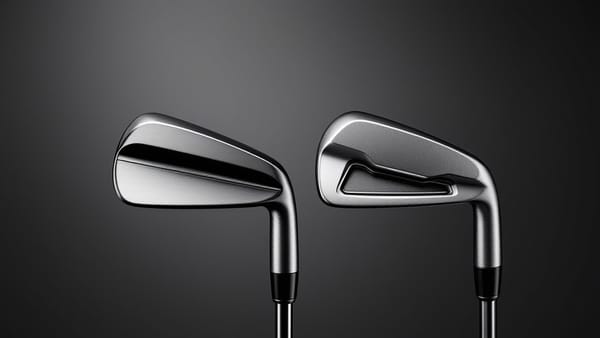
Here's the part that surprises people. There is no published manufacturer wear study for irons. None. Groove wear is the gradual rounding of the sharp edges machined into a club face, the edges that grip the ball and generate backspin on contact. The absence of an iron-specific study is itself the answer. If iron face wear hurt performance for amateurs within 10 to 15 years, OEMs would have data on it, and they don't.
MyGolfSpy's Tony Covey said it plain in his May 2025 column: face wear on cast irons is not a meaningful performance concern for average golfers within a 10 to 15 year window. The grooves on a 7-iron get used for full shots into greens, where spin matters less than launch and carry. Even visible groove wear on irons doesn't show up in distance or dispersion data.
When should you replace irons?
- Impact damage. Dents from cart paths, hosel cracks from a misfired range ball, ferrule splits.
- A custom fitting that reveals your swing has changed. Speed gain or loss of 5 mph (8km/h) often means a different shaft. A handicap plateau despite consistent practice often means lie angle or shaft profile no longer fit.
- Real tech generation gaps. Forgiveness improvements compound every 5 to 7 years, not every season. If your irons are from 2014, a fitting will probably show real distance and dispersion gains. If they're from 2022, it won't.
The marketing cycle wants you replacing irons every two to three years. The data says every seven to ten is closer to right.
Drivers: why your old driver might be faster than a new one
This one is counterintuitive. Driver faces don't slow down with use. They can speed up.
It's called CT creep, short for characteristic time creep. As the face flexes through thousands of impacts, it thins and the trampoline effect intensifies. MyGolfSpy's June 2025 testing confirmed that some drivers exceed the USGA's 0.830 COR limit after extended use. Your seven-year-old TaylorMade is hitting the ball as hard as the day you bought it, possibly harder.
The actual concern is face failure, not face wear. Cracks, dents, or hairline fractures on the face mean replace. Loose internal weighting that rattles on impact means replace. A hosel separation means replace now, before the head leaves the shaft mid-swing.
The audit takes 30 seconds. Pull a credit card from your wallet and run it across the face from heel to toe. Any high spots, concave areas, or visible cracks show up as a wobble or a snag. If the card glides across, the face is fine.
Driver tech gains are real but slow. Meaningful ball-speed and forgiveness improvements show up about every two driver generations, which is six to eight years. Annual replacement is a marketing function, not a performance one.
Putters: when fitting matters more than replacement
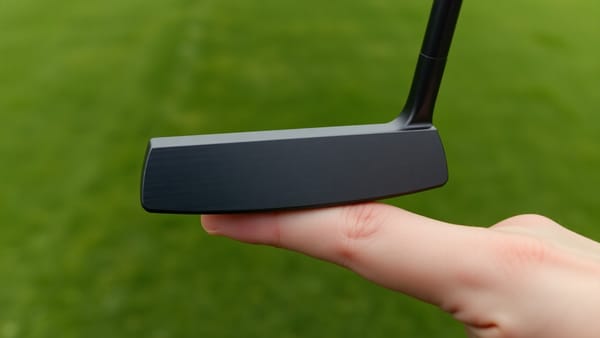
Milled stainless or carbon putter faces don't wear in any way amateurs can measure. Tour pros put thousands of strokes on the same putter without face-related performance loss. Insert putters do compress over years, but no public study shows the effect is large enough to matter on putts inside 20 feet (6.1m).
The real question with putters is fit. Length, lie angle, head weight, hosel offset, and face balance need to match your stroke arc. Most amateurs are putting with a putter that doesn't fit them, regardless of how new it is. A 30-minute fitting at a SAM PuttLab or similar costs about $150 (£120) and solves more putting problems than any new putter ever will.
Replace your putter when:
- A fitting confirms a mismatch you can't adjust out (length and lie can be tweaked, head weight and balance often can't)
- The hosel is cracked or the head has come loose
- Your stroke type has changed, often because you've taken lessons or moved from arc to straight-back-straight-through
Otherwise, keep what you've got and get fit instead.
Which replacement signals actually matter?
Work through the data on each category and the pattern is clear. Most replacement signals amateurs respond to are cosmetic, not performance-related.
| Signal | Act on it | Ignore it |
|---|---|---|
| Wedge shots stop checking on greens | Yes, replace | |
| Visible groove wear on irons | Yes, ignore | |
| Slick or shiny grip surface | Yes, regrip | |
| Face scratches on driver from tee marks | Yes, ignore | |
| Credit card snags on driver face | Yes, replace | |
| Putter feels old or looks worn | Yes, ignore unless fit is wrong | |
| Iron hosel crack or cart-path dent | Yes, replace | |
| New model launched in your category | Yes, ignore unless 6+ years old | |
| Loss of distance with one specific iron | Investigate first (lie angle, swing change) | |
| Rattling sound inside driver head | Yes, replace |
The asymmetry matters. Wedges and grips have hard wear data. Irons, drivers, and putters don't, because the wear isn't there to measure.
How to check your clubs right now
This is a 10-minute audit you can do at home with a notebook, a brush, and a credit card.
- Pull every wedge. Brush the grooves clean with warm soapy water and a stiff-bristle brush. Note how many rounds each has on it. Anything past 75 rounds and not checking on greens goes on the replace list.
- Run your thumb across the lower-hand thumb pad on every grip. Slick, shiny, or hard rubber means regrip. Note which clubs failed.
- Pull your driver. Credit card across the face, heel to toe. Listen for rattles when you tap the head. Check the hosel-to-shaft join for any gap or movement.
- Inspect each iron head. Look for hosel cracks, ferrule splits, or impact damage. Groove wear on irons doesn't matter, so skip the brush test.
- Check your putter face for any visible damage. Then ask the harder question: when was the last time you had a putter fitting? If never, that's your real action item, not a new putter.
If you're scoring this audit, expect to find one or two wedges and most of your grips in need of attention. That's normal. The driver, irons, and putter sections will come up clean, which is the point.
Frequently Asked Questions
How often should you replace golf wedges?
Tour caddies swap wedges every 60 to 75 rounds. For an amateur playing 30 rounds a year, that's every 12 to 18 months on your most-used wedges, the lob and gap. Replacement is driven by performance loss, when shots stop checking on the green, not by visual groove wear. Clean the grooves first; dirty grooves alone cost you 45% of your spin per Golf Digest's March 2026 testing.
How long do golf irons last?
For amateur golfers in normal play, 10 to 15 years. There's no published manufacturer study showing iron face wear affects performance within that window. MyGolfSpy's Tony Covey confirmed this in May 2025. Replace irons for impact damage, hosel cracks, or because a fitting reveals a swing change, not because the heads look worn.
How often should you regrip golf clubs?
Golf Pride's standard is every 40 rounds, or every 12 months for golfers playing less than that. Worn grips force grip pressure increase, which adds tension through the swing and costs an estimated 3 to 4 shots per round. The visual test: if the grip feels slick, glossy, or hard rather than tacky, replace it. Total cost for a full set regrip with a DIY kit is under $150 (£120).
How can you tell if your driver face is damaged?
Run a credit card across the face from heel to toe. Any wobble, snag, or visible high spot means damage worth investigating. Listen for a rattle when you tap the head, which signals loose internal weighting. Check the hosel-to-shaft join for any gap or play. Surface scratches from tee marks don't matter. Cracks or concave areas do.
Is it worth upgrading golf clubs every year?
For most golfers, no. Driver tech gains compound about every two generations, six to eight years. Iron forgiveness improvements show up every five to seven years. Wedge replacement is the exception because the grooves wear on a measurable schedule. The marketing cycle pushes annual upgrades; the data doesn't support them.
What's the biggest difference between old and new golf clubs?
Forgiveness, not raw distance. Modern drivers and irons have larger sweet spots and better off-center performance, which helps mishits more than center strikes. A pure 7-iron from 2010 carries about the same distance as a pure 7-iron from 2024. The mishit from 2024 carries closer to the pure number. If you strike the center of the face most of the time, the upgrade case is weaker.
Next step
Do the audit this week. Take ten minutes, brush every wedge, thumb-test every grip, credit-card your driver. The result will probably surprise you: one wedge and most of your grips need attention, the rest of the bag is fine. That's the entire replacement question for most amateurs, and it costs about $200 (£160) to fix instead of $2,000 (£1,600).
If your audit reveals a stroke or fit issue that no replacement will solve, book a fitting before you buy anything new. A $150 (£120) fitting tells you whether the problem is the club or the swing, and that's the question worth answering first.
Some links in this article are affiliate links. If you buy through them, I earn a small commission at no extra cost to you. This never influences what I cover or recommend. I link to gear I'd buy myself.







The golf newsletter that cuts the hype
Data-backed reviews and advice that works. No brand spin.
Recommended products