

How to Choose the Right Driver Loft for Your Swing Speed
The average amateur hits down on their driver at -1.8 degrees and plays 9 or 10.5 degrees anyway. Here's a five-step process to find the right loft.
Step-by-step drills and fixes you can take straight to the range or the course.
 How to Practice at the Driving Range Effectively
A three-phase range session backed by motor learning research, five named drills, and the ball counts pros actually hit.
 How to Regrip Golf Clubs at Home
Regrip your own clubs in 1 to 2 hours. Worn grips widen dispersion by 10 to 11 percent (Golf Pride/TrackMan). DIY costs 110 USD vs pro shop 136 to 162 USD.
High-spin wedge with multiple grinds and data to support the price
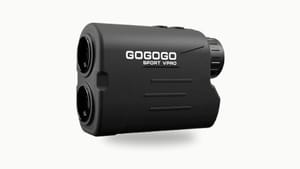
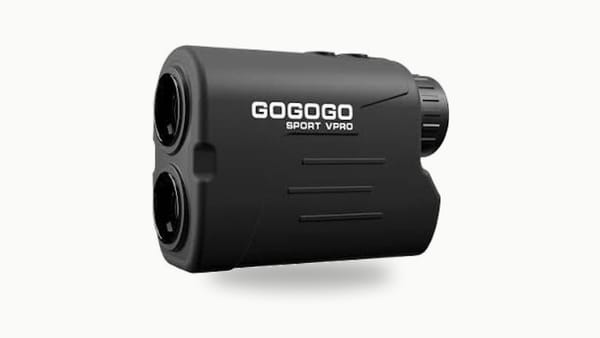
A $60-80 laser that nails straight-line distance in independent testing, but skips the physical slope switch and tournament-grade weatherproofing of pricier units.
A budget-friendly pick for slower swings and higher handicaps, with MyGolfSpy's consistency caveat attached.

The average amateur hits down on their driver at -1.8 degrees and plays 9 or 10.5 degrees anyway. Here's a five-step process to find the right loft.
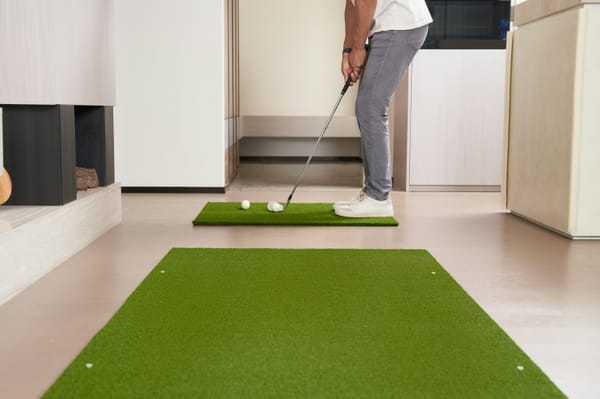
Shot Scope data shows a 25-handicapper is 3x more likely to get up and down with a 9-iron than a lob wedge. Here is the home practice system that fixes it.

You aimed at fairway-right, felt your swing curl, then watched a brand-new ball sail wide and never come home. Or worse, it kept slicing until trees swallowed it. The cause is two numbers most amateurs never measure: clubface angle decides where flight begins; swing arc, judged against that

Learn how to use a launch monitor with a 6-step framework: map your bag, lock onto three metrics, run smash factor sessions, and gap your wedges.
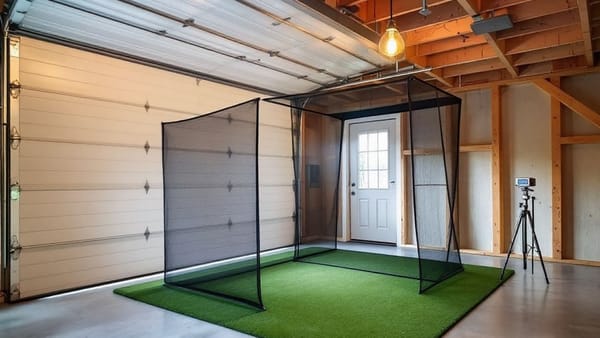
Set up a garage golf simulator in 7 steps. Minimum 8.5ft ceiling, right launch monitor for your depth, and the projector mistake that wastes $1,500.

How to break 90 in golf without changing your swing. The 4 data-backed fixes that move 20-handicappers from the 90s to the 80s.

5 steps to a custom golf fitting cheap, including a $175 spec-sheet trick that cuts iron costs by two-thirds without losing a single yard.

Fix a golf slice for good with the correct sequence: grip, setup, face, path, then launch monitor data. No gimmicks, just five steps that work.

A practical, data-backed plan for practicing golf at home without a garden. Putting, swing drills, nets, and launch monitors that fit a small space.
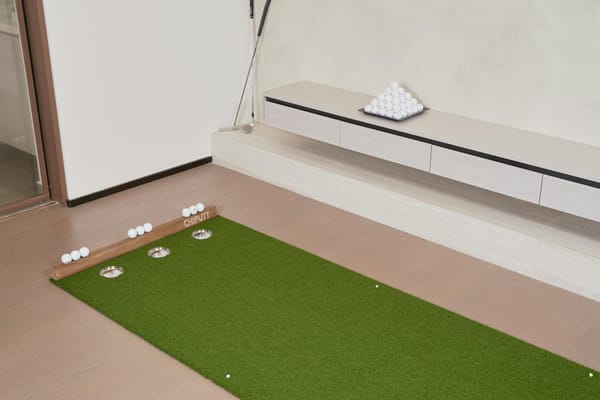
Arccos and Shot Scope data shows where mid-handicappers lose strokes. Build a home golf practice routine that targets those gaps in 30 minutes a day.

83% of three-putts start outside 30 feet. Fix distance control on the first putt and cut three-putts fast, backed by Shot Scope, Arccos, and SAM PuttLab data.

Your launch monitor is showing you eight numbers you don't fully understand. Here's which three matter for a mid-handicapper, what they should look like, and what to change when they're off.

Three shots a round is 12 shots over four rounds. That’s the difference between a 15-handicap and an 8. Almost none of it is about your swing.
Data-backed reviews and advice that works. No brand spin.
A launch monitor is a device that measures the physics of your golf swing and ball flight, including club head speed, ball speed, launch angle, spin rate, and carry distance. It gives you accurate, objective data about your game instead of estimates.
No, but having one makes your practice more efficient. Without data, you are guessing whether a swing change is working. With a launch monitor, you can see exactly what changed and whether it moved in the right direction.
James Whitfield synthesizes published data from independent testing labs (MyGolfSpy robot testing, Golf Digest equipment labs), verified club fitter and instructor assessments, and long-term ownership reports. He does not run his own launch monitor sessions. Every performance claim is attributed to a named source with a date.