









how-to
How to Hit a Fairway Wood Off the Ground
You can smash a 3-wood off a tee. Put the same club on the turf and the

You aimed at fairway-right, felt your swing curl, then watched a brand-new ball sail wide and never come home. Or worse, it kept slicing until trees swallowed it. The cause is two numbers most amateurs never measure: clubface angle decides where flight begins; swing arc, judged against that face, decides how flight bends. Get them in sync and a draw appears. Miss by a degree and you get a push, a hook, or a dead pull.
What follows: launch-monitor targets, five setup changes that produce them, three drills you can run on any range mat without tech, plus the bit most instruction skips, which is whether shaping right-to-left is even smart for whatever hole sits in front of you.
TL;DR
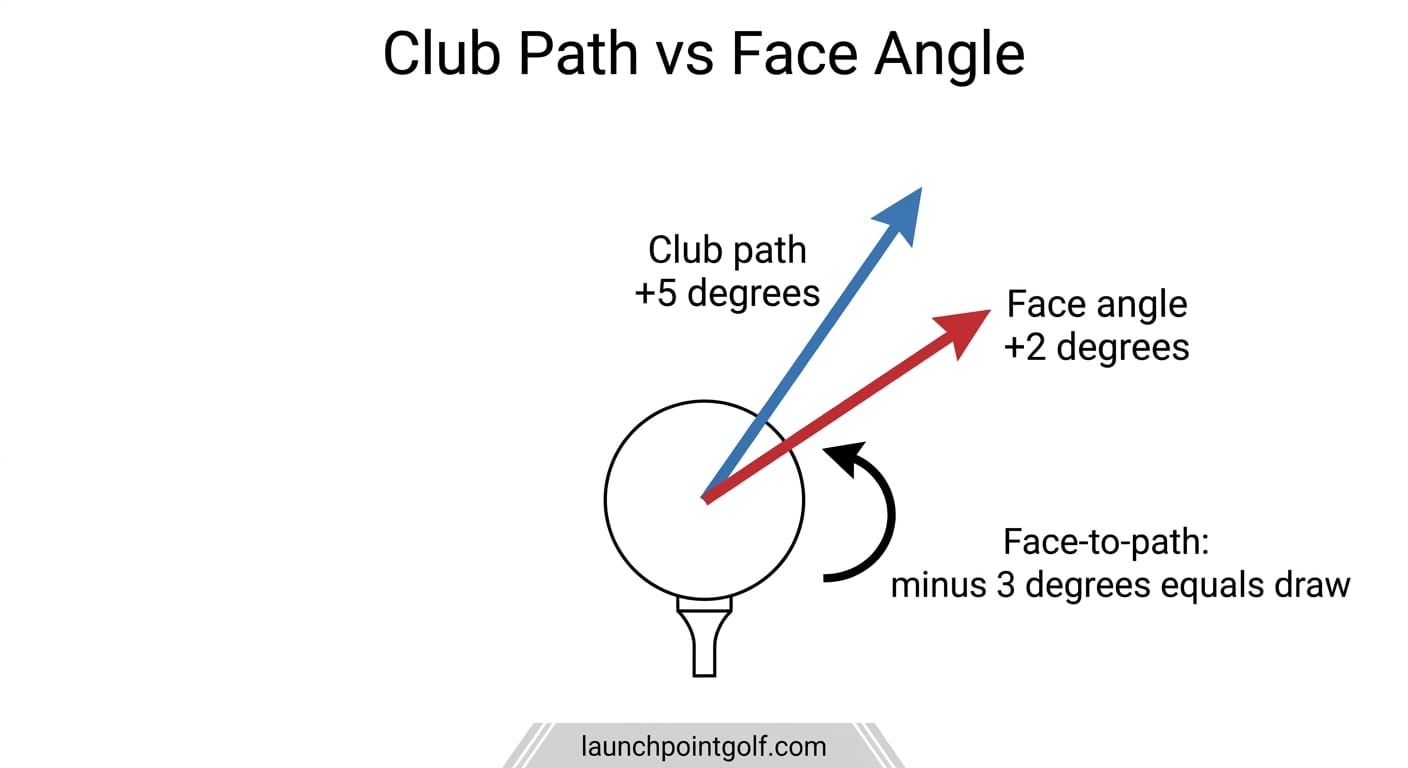
A draw is a shot where the clubface sits closed to the swing path at impact, a face-to-path differential of -1 to -3 degrees for a right-hander. The ball starts right of the target because that's where the face points. It curves back left because the swing arc travels further right than the clubface. Anything past -4 degrees and you've tipped into hook territory.
| Face-to-path | Shot shape |
|---|---|
| +4° or more | Slice |
| +1° to +3° | Fade |
| 0° | Straight |
| -1° to -3° | Controlled draw |
| -4° or more | Hook |
Those bands come from upyourclub.com (Cas Bukkems, November 2025), pulling from Trackman's face-to-path documentation and club path. The headline rule with a driver: clubface controls about 80% of where the ball begins. Swing arc bends it away from where the leading edge was pointing. Aim the face 2 degrees right, swing 5 degrees right, and your strike begins 2 degrees right before curving back home. That's a draw.
Two things in that paragraph trip people up. One: the leading edge isn't square to the target. It's closed to the arc. Two: your strike has to start right of the pin. Set up for a draw, see the ball launch dead at the flag, and you've already missed. No amount of curve fixes that.
Three different failures show up in the data when amateurs try to shape this shot. The fix for each is different, so diagnose before you start tinkering.
Face over-rotation is the first failure type. Strong grip plus hard forearm rotation through impact gives you face-to-path of -5 degrees or worse, which is hook territory. The ball starts right of the pin and keeps diving left. If your "draw" lands 30 yards (27m) past the flag and won't stop, this is you.
The path can behave correctly while the face stays open. That's the second failure. The body delivers an in-to-out motion, but the face still points at the pin or wider than the path. Result: a push or a push-fade. The ball starts right, stays right, and drifts further into the rough. The path behaved. The face never closed.
The third failure breaks down before the swing starts: start-direction panic. The player commits, the ball starts right as expected, and then they flinch. Seeing the ball head for the bunkers, they assume the method broke and revert to old habits on the next swing. You have to trust the curve before you abandon it.
Which of these is yours? Identify the failure mode before you change a single variable, because the fixes do not overlap.
Five adjustments build the in-to-out path and closed face. Make them all at once for a hard cut to the new shape, or layer them in over a range session if you want time to feel each one work.
If your natural shape is a slice, every step above is the mirror image of what you've been fighting. The mechanics behind a slice and the mechanics behind a draw are the same variables flipped, and I dug into the slice side of that coin in my guide on fixing a slice.
You can groove a draw without a launch monitor. The job is to feel the in-to-out path until it stops feeling weird, and it will feel weird for the first 50 to 100 swings.
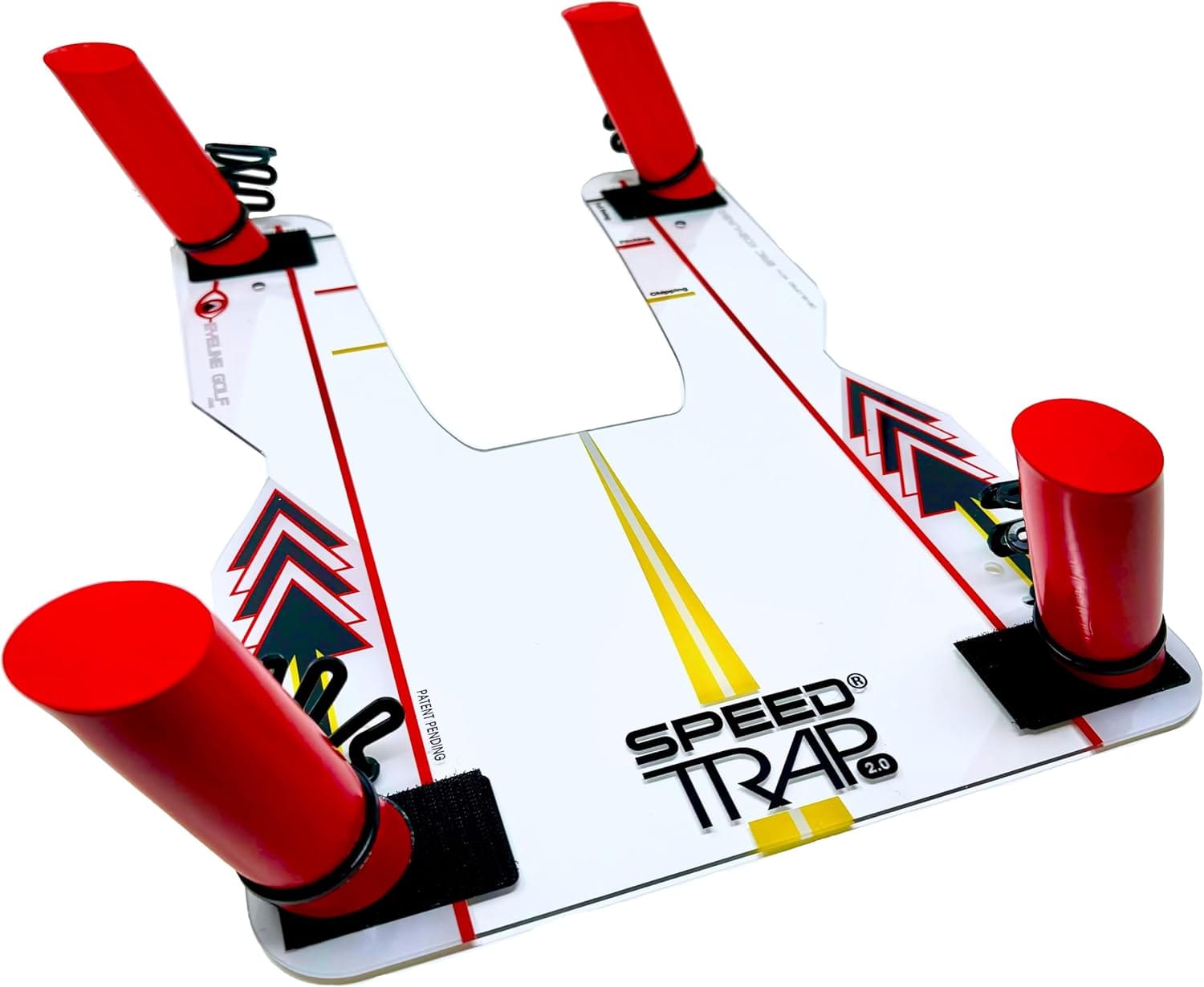
Drill 1, the gate drill. Set two alignment sticks on the ground in front of the ball, angled so they form a corridor that runs from inside-back to outside-forward. The corridor forces the club to approach from inside the target line and exit further right. The EyeLine Speed Trap 2.0 does the same job with a polycarbonate base and four foam rods, more durable than alignment sticks and faster to set up. Hit 20 balls through the gate without touching the rods. Remove them and hit 5 free shots, trying to repeat the path. Source: Golf Monthly (Sam De'Ath, May 2025).
Drill 2, the foot-back drill. Address the ball as you normally would, then pull your trail foot back 12 inches (30cm) from the target line. That's an exaggerated closed stance, the kind of stance you'd never play from on the course. Hit 10 balls. The ball flight will be obvious. Hard right-to-left curve, sometimes a low hook. The point is calibration. You're teaching your body what an in-to-out swing feels like at full volume. Then bring the foot in to the 2-inch (5cm) playing stance and the same swing produces a controlled draw instead of a hook.
Drill 3, tee after impact. Place a ball on a tee, then push a second tee into the ground about 6 inches (15cm) past the ball, on the line your club should travel after contact. The post-impact line for a draw is to the right of the target line. Hit the ball first, then clip the second tee. If you can't reach the second tee, your path is cutting across the ball from out-to-in and you're hitting a fade or a pull, not a draw.
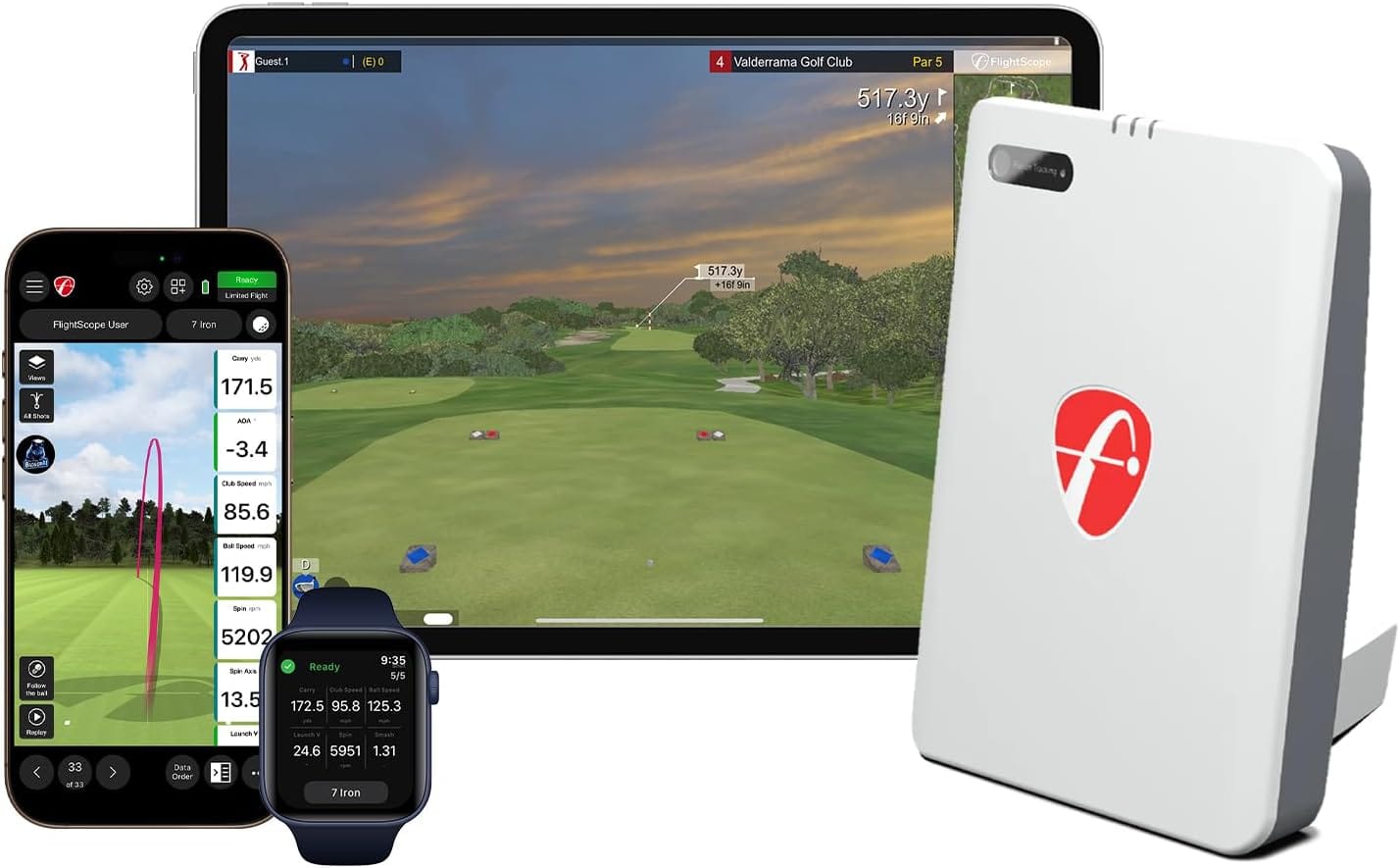
If you have a launch monitor, the objective version of all three drills is the same number set: club path between +3 and +6 degrees, face angle a smaller positive number than the path. So path +5 degrees, face +2 degrees gives you face-to-path of -3 degrees, which is the upper end of the draw window. If reading those numbers off the screen is new to you, I walk through how to interpret launch monitor data here. The Speed Trap and the other gear I'd actually keep in my bag are in my roundup of training aids that earn their place.
Most instruction articles stop at "here's how to hit a draw" without asking whether you should bother. Is shaping right-to-left actually the smart play on this hole? You should sometimes. You shouldn't always.
Play a draw when the hole gives you something for it. Doglegs left reward a right-to-left ball flight, because you can use the curve to follow the fairway instead of cutting the corner with a high fade that has to clear trees. Wind that runs left-to-right is easier to manage with a draw, because the right-to-left curve fights the wind instead of compounding it. With a driver on a wide hole, a draw rolls further than a fade. The reduced spin and shallower descent angle gives you 5 to 15 yards (4.6 to 13.7m) of extra rollout depending on fairway firmness.
Don't play a draw when the pin is tight left, the dogleg goes left into a narrow landing area, or you're under pressure and the shot isn't dialed in. A draw runs further than a fade after landing, so a flag tucked left over a bunker is the wrong target for a draw. A fade lands softer and stops faster. If the percentages favor stopping the ball, hit the fade.
The biggest mistake amateurs make once they can hit a draw is binning their fade. Your repeatable 5-yard (4.6m) fade is worth more than an inconsistent draw. That fade was paying the bills before you read this article. Keep it. Add the draw as a tool for the holes where it earns its keep, and leave the rest alone. Don't trade a stock shot you trust for a shape you've hit clean twice on the range. Low handicaps work both shapes; mid handicaps shoot their best rounds playing one shape they can repeat. When I wrote about dropping your handicap fast, the answer was consistency, not variety, and that's worth saying out loud because every magazine ever has implied the opposite.
A draw is a controlled right-to-left curve produced by a face-to-path differential of -1 to -3 degrees. A hook is the same shape with the differential pushed to -4 degrees or worse, often combined with a steeper club path. The visible difference on the course: a draw curves about 10 to 15 yards (9 to 14m) over a 200-yard (183m) shot. A hook can curve 30 yards (27m) or more and keeps curving after it lands. Source: upyourclub.com, November 2025.
For a driver, target a club path between +3 and +6 degrees and a face angle that's a smaller positive number than the path. So a club path of +5 degrees with a face angle of +2 degrees gives face-to-path of -3 degrees, a controlled draw. With irons, the windows tighten because path numbers are smaller off the turf. Aim for path of +1 to +3 degrees with face just shy of that. Trackman's face-to-path documentation covers the relationship in full.
Three causes account for most of it. First, your grip is too strong, so the face closes faster than the path can keep up with. Show two knuckles instead of three. Second, you're rotating your forearms hard through impact on top of an already-strong grip, which compounds the closure. Quiet the hands and let the body turn deliver the path. Third, your stance is closed too far. Two inches (5cm) of trail-foot drop is enough; six inches (15cm) is a hook factory. Pick one variable and back it off before you change anything else.
Most amateurs shouldn't. A repeatable fade is a better stock shot than a flaky draw. The mid-handicap player who shoots career-best rounds is the one who plays one shape and trusts it, not the one who chases two shapes and hits both off line. Add the draw as a situational shot for left doglegs and tailwind drives. Keep the fade as your default. Tour players work both shapes because they hit thousands of balls a week. Most amateurs don't have that volume.
The setup principles are the same, but the numbers shift. Irons produce smaller path values because the swing is more vertical, so the face-to-path window for a draw is tighter. The closed-stance trick works less because there's less time on the way down for an in-to-out path to develop. The cleanest path to a draw with irons is a stronger grip and a feel of the right shoulder working through the ball, rather than a stance change. Test on a launch monitor if you have access to one. The numbers tell you fast whether the change is producing the shape you want.
Pick one drill, not three, and run it for two range sessions before you take the shape to the course. Gate drill gives the fastest feedback. Foot-back is the one I'd hand a player who's never felt an in-to-out swing in their life. Whichever you pick, give it 50 to 100 reps before you call it. The first 20 will feel wrong even when the ball is doing exactly what you asked.
Some links in this article are affiliate links. If you buy through them, I earn a small commission at no extra cost to you. This never influences what I cover or recommend. I link to gear I'd buy myself.
Data-backed reviews and advice that works. No brand spin.