GPS Watch vs Rangefinder: Which One Should You Actually Buy?
GPS watch or laser rangefinder, which is right for your game? James Whitfield breaks down accuracy, pace of play, slope rules, and which device wins at each handicap level.
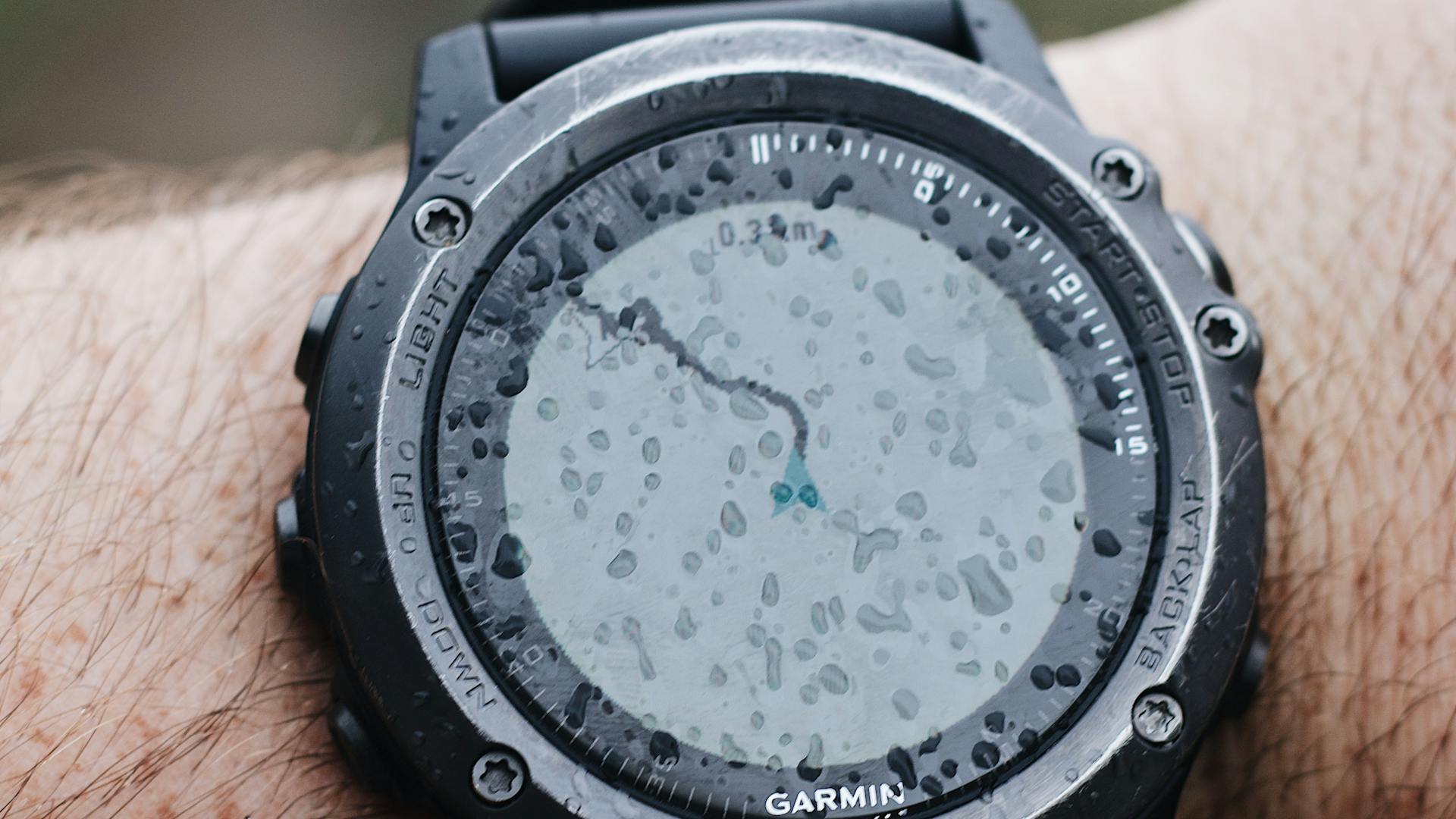
Photo by Maël BALLAND on Pexels
- 1.GPS watches give you instant front/center/back distances plus hazard yardages, best for pace of play and course management below 15 HCP.
- 2.Laser rangefinders lock onto the flag to within 1 yard (0.9m), best for exact approach yardages, especially for handicaps 10-14 who are genuinely optimizing iron shots.
- 3.The "both" answer: the Garmin Approach Z30 rangefinder with Range Relay sends ranged distance wirelessly to a compatible Garmin GPS watch, one display, two technologies.
- 4.Slope is illegal in all rounds under USGA Rule 4.3a, not just competition. Carry slope-enabled devices; just switch the mode off.
Most golfers overthink this. They read forum debates about laser accuracy versus GPS speed, watch YouTube comparisons stacked with affiliate disclosures, and end up buying the wrong device for how they play. The real question isn't which technology is better in the abstract. It's what kind of decision you're trying to make on the course, and whether you're at a handicap level where the difference between center-green and pin-precise yardage actually changes your club selection. There's also a third path most articles skip: hybrid setups like the Garmin Approach Z30 with Range Relay, which feeds laser distance to a Garmin GPS watch on your wrist. Here's how to think about it without the noise.
How to Decide: The Criteria That Actually Matter
Before looking at specific devices, here are the factors that should drive your decision.
Accuracy needs relative to your handicap. A 20-handicapper hitting a 7-iron with a typical dispersion of 30 yards (27m) doesn't gain anything from knowing the flag is 147 yards (134m) instead of 152 yards (139m). A 10-handicapper who hits the same club to within 12 yards (11m) does. The accuracy you need is the accuracy your ball-striking can use. Anything more is data theater.
Pace of play. A GPS watch shows you a yardage the moment you glance at your wrist. A laser rangefinder requires you to stop, retrieve the device, raise it, aim, and pull the trigger. That's 15 to 30 seconds per shot, multiplied across 18 holes. If you play with a regular four-ball, this matters more than you think.
Hazard and layup yardages. This is the underrated GPS advantage. A watch will tell you the carry distance to the front bunker, the layup distance to the corner of the dogleg, and the back-edge yardage on a green you can't see from the tee. A rangefinder only sees what you can already see. On a blind tee shot or a layup, GPS wins outright.
Shot tracking capability. Some GPS watches log every shot you hit, the club used, and the distance. Over a season, that data tells you which clubs you actually hit your stock yardage with and where you're losing strokes. Rangefinders don't track anything. If you're serious about getting better through data, this matters.
Slope rules compliance. USGA Rule 4.3a prohibits using slope-adjusted distances in any round where the device functions as a distance-measuring aid. Not just competition. All rounds. Craig Winter, USGA Senior Director, confirmed this clearly in Golf.com (November 2025): you can carry a slope-enabled device, but the slope mode must be switched off. Most mid-handicappers don't realize this applies to their Saturday medal.
Price. GPS watches range from about $199 to $699. Quality rangefinders sit between $200 and $600. The "both" setup runs $600 to $1,100 depending on tier. Budget matters, but so does buying the right tool for how you play, not the cheapest one in the category you've chosen.
GPS Golf Watches: What They Do Well (and Where They Fall Short)
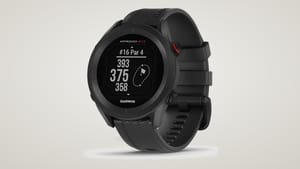
A GPS golf watch gives you front, middle, and back distances to the green instantly, on your wrist, without raising a device. The best models also map every hazard, bunker, and layup point on the course, and the top tier tracks every shot you hit automatically.
The accuracy on quality devices is better than most golfers assume. MyGolfSpy's 2025 test of 17 GPS watches found the top performers, the Garmin Approach S70 and S44 and the Bushnell iON Elite, returned 1 to 3 yards (0.9 to 2.7m) dispersion to center green. Independent academic work backs this up: Zanetti et al., publishing in the International Journal of Golf Science, found a mean bias of 1 yard or less with typical error of 2 to 3 yards (1.8 to 2.7m) on quality GPS devices. That's good enough for nearly every golfer making nearly every club decision.
The hazard yardage advantage is real. A watch tells you the front bunker is 218 yards (199m) of carry from the tee even when you can't see it. A rangefinder can't.
Shot tracking is where GPS pulls ahead long-term. Shot Scope reports its users save an average of 4.1 strokes after 30 recorded rounds. That's brand data, so treat it as directional rather than peer-reviewed, but it aligns with the broader strokes gained research showing that golfers who quantify where they lose shots improve faster than those who guess.
Pace of play is the under-discussed benefit. A glance at the wrist beats fishing a rangefinder out of your bag every time.
One slope note: every GPS watch that offers slope-adjusted distance must have that feature switched off in any round where you're using the watch for yardages. That's USGA Rule 4.3a. Carry it on, slope mode off.
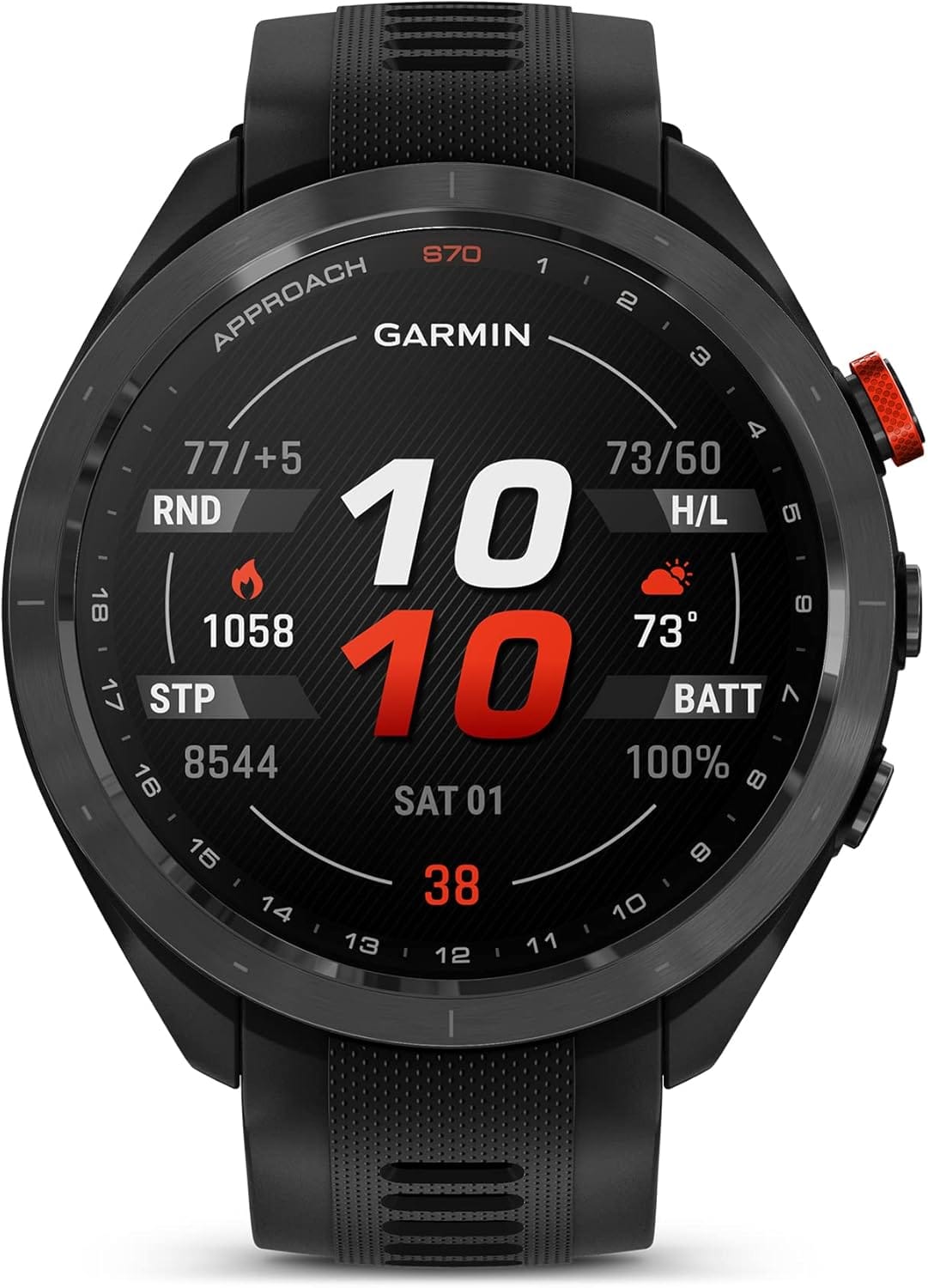
Garmin Approach S70
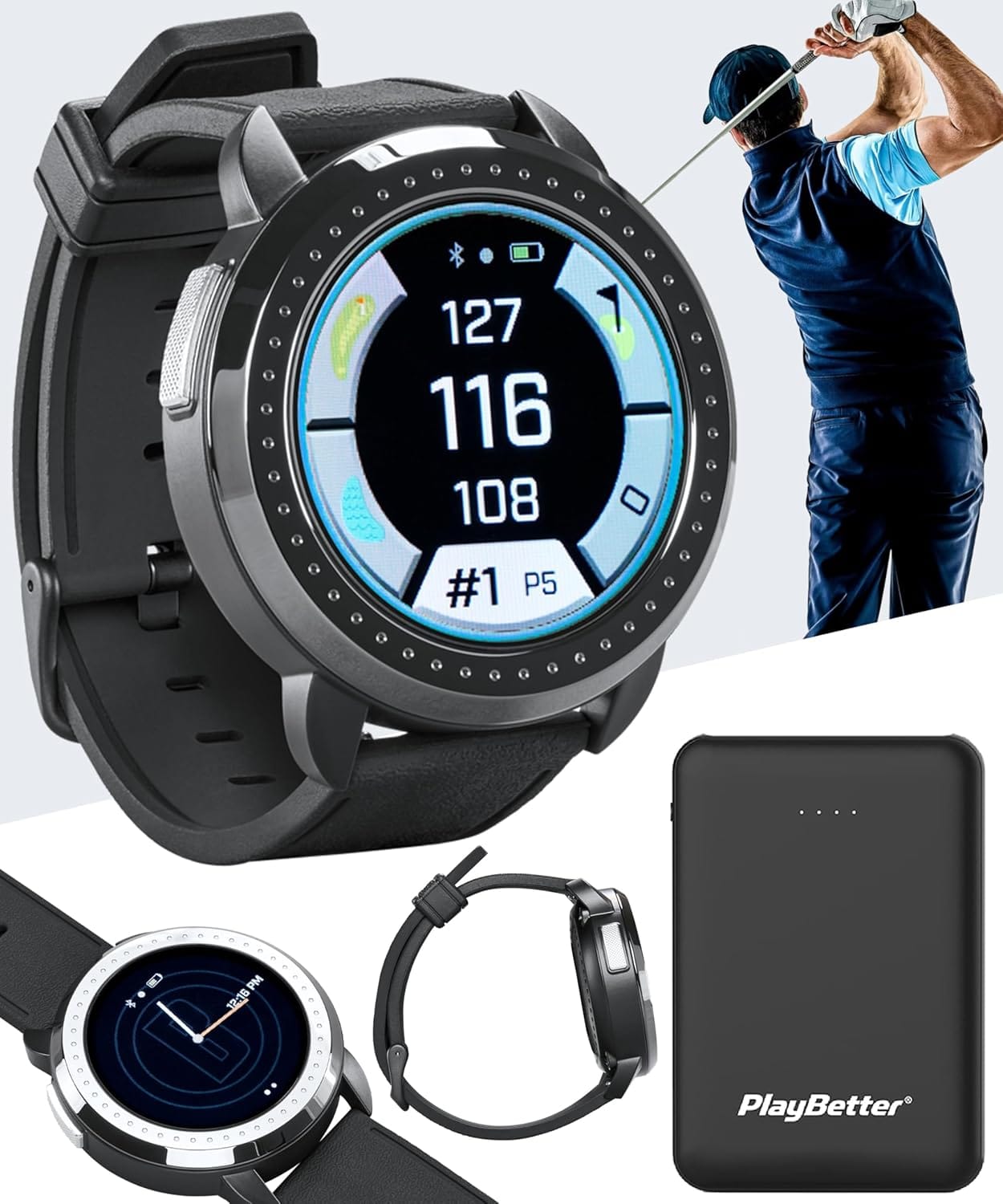
Bushnell iON Elite GPS Watch
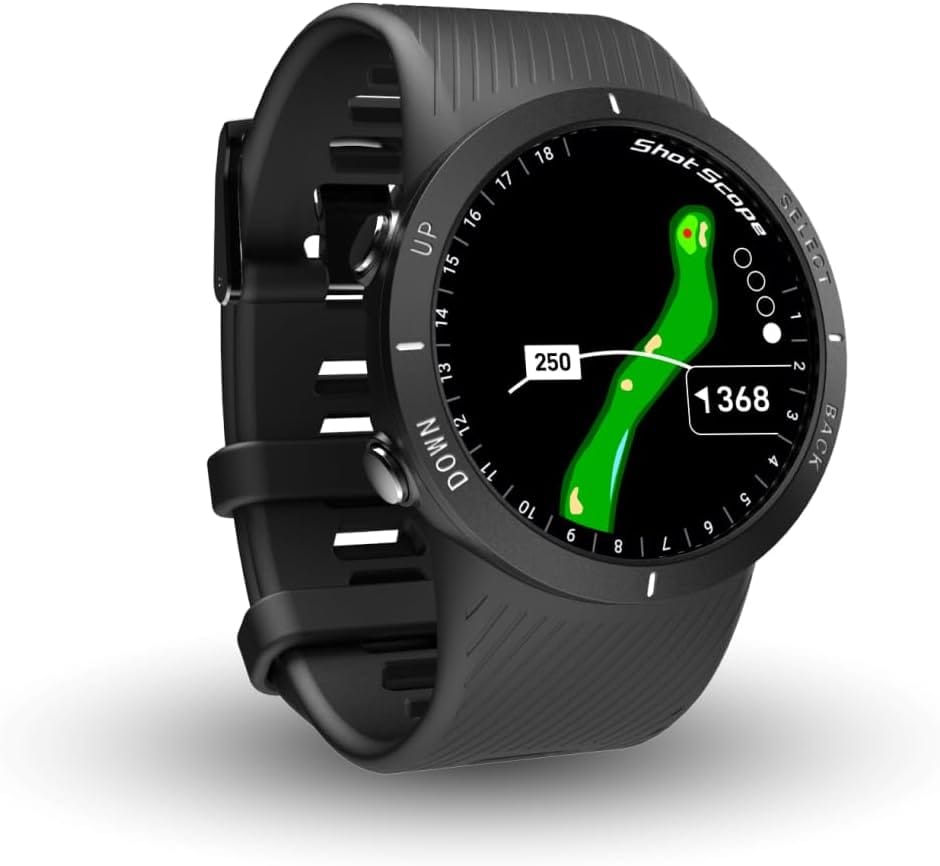
Shot Scope V5 GPS Watch
Garmin Approach S44 GPS Golf Watch
Mid-range pick (~$299). 40,000+ courses, AMOLED touchscreen, Range Relay compatible so it pairs with the Garmin Z30 rangefinder for a combined display, slope-toggle mode. The value step below the S70 that still covers the full Garmin ecosystem.
 Buy now
Where GPS watches fall short. They're still less precise than laser for the exact flag yardage, especially on deep greens where a center-green reading can be 15 to 20 yards (14 to 18m) off the actual pin. The MyGolfSpy 2025 data also showed the worst budget GPS devices were 7 to 10 yards (6.4 to 9.1m) off, so spending up matters here. And course map accuracy varies. Smaller regional courses sometimes have outdated mapping that throws off green and hazard yardages.
Laser Rangefinders: Precision That GPS Can't Match
A laser rangefinder locks onto the flag, or any target, and gives you a distance accurate to within 1 yard (0.9m), every time. That precision doesn't drift with course mapping, doesn't depend on satellite signal, and doesn't care how far back the pin is.
Golf Insider UK's 2025 testing returned 100% accuracy on the Bushnell Tour V6 Shift and the Shot Scope Pro L2, meaning every measured shot returned the exact same distance as the test reference. That's the kind of precision GPS can approach but not match.
Where it pays off: approach shots from 100 to 175 yards (91 to 160m) where the difference between the front of the green and the back of the green is 20 to 30 yards (18 to 27m), and layups to a fairway bunker corner where being 5 yards (4.6m) short of trouble is the entire point. If you're a 10 to 14 handicapper hitting enough greens that yardage precision changes your club, this is the device that closes the gap.
The slope rules apply equally here. You can carry a slope-enabled rangefinder, you just have to switch the mode off under Rule 4.3a. Most rangefinders make this obvious with an external slope toggle so playing partners and rules officials can see the mode is disabled.
Battery reliability is a quiet rangefinder strength. A single CR2 battery typically lasts years, not rounds. There's no charging cable, no weekly top-up. You pull it out of the bag and it works.
The trade-off is speed. Rangefinders are slower for routine shots, they need a free hand, and they can't show you anything that isn't in line of sight.
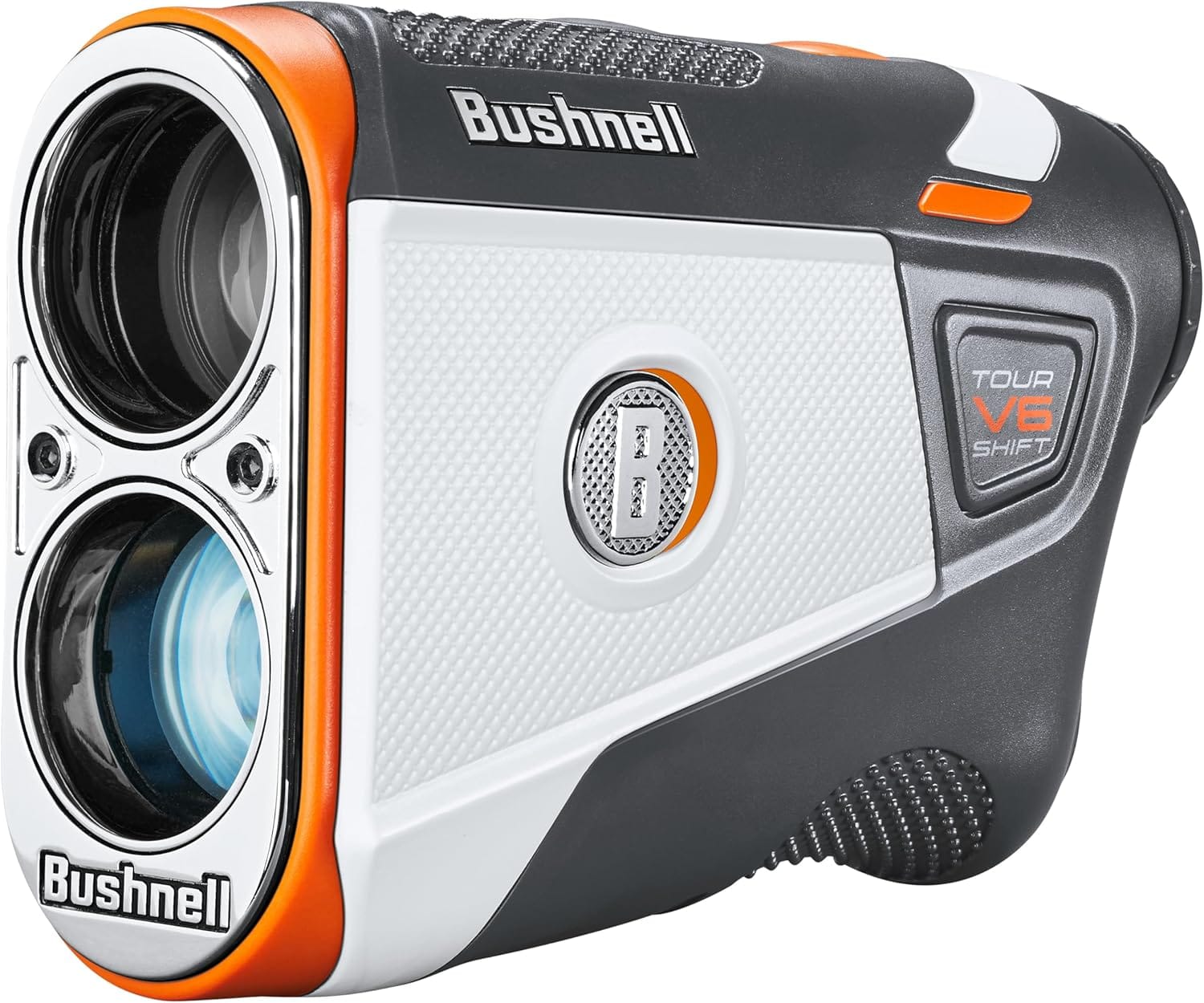
Bushnell Tour V6 Shift
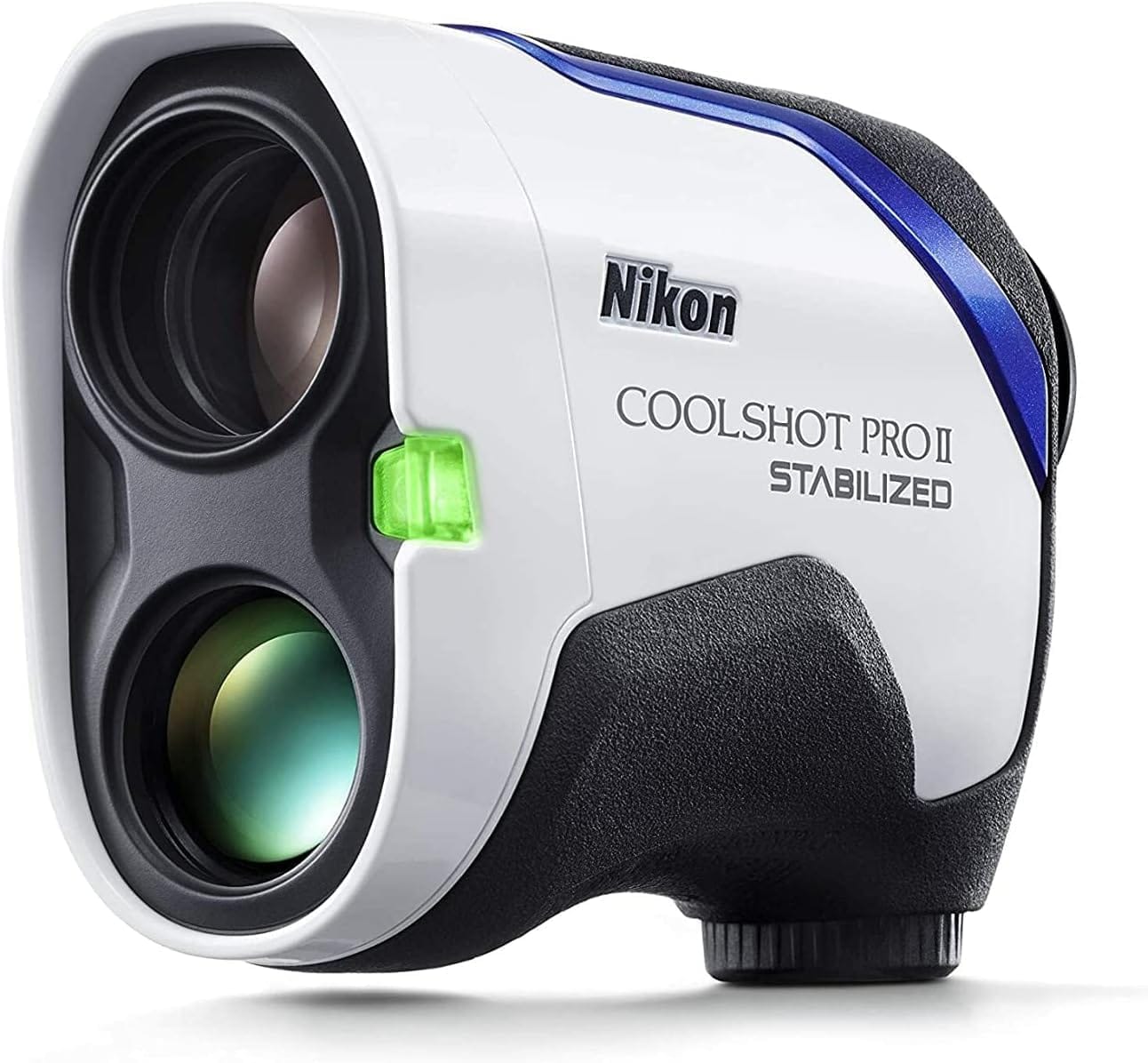
Nikon Coolshot Pro II Stabilized
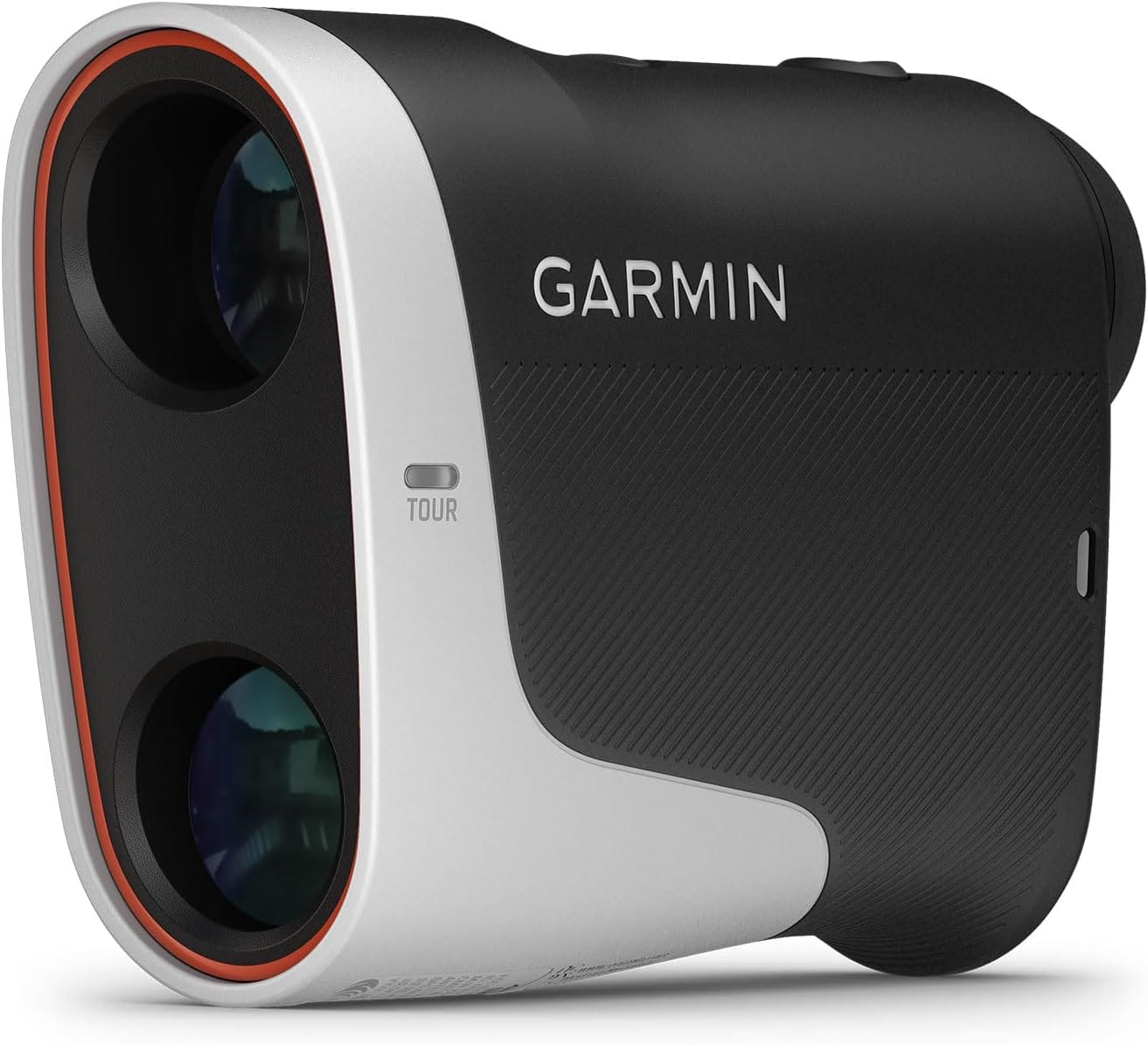
Garmin Approach Z30 with Range Relay
Where rangefinders fall short. No shot tracking, ever. They can't show hazard yardages to targets out of line of sight, which means blind tee shots and dogleg layups are guesswork without GPS support. They're slower than a wrist glance for the routine shots that make up most of a round. And they require a free hand, which is a real issue if you're walking with a push cart and pulling clubs at the same time.
Head-to-Head: The Five Factors That Actually Decide It
| Factor | GPS Watch | Laser Rangefinder |
|---|---|---|
| Distance accuracy | 1-3 yards (0.9-2.7m) to center green on best devices (MyGolfSpy 2025) | ±1 yard (0.9m) to any target |
| Hazard and layup yardages | Yes, front edge, back edge, carry distance to any mapped hazard | Limited, line-of-sight only to visible targets |
| Shot tracking | Yes (Shot Scope V5, Garmin S70 with CT10 sensors) | No |
| Pace of play | Faster, glance at wrist | Slower, retrieve device, aim, lock |
| Slope rules | Legal to own; slope mode prohibited under USGA Rule 4.3a | Legal to own; slope mode prohibited under USGA Rule 4.3a |
| Battery life | Days to weeks (varies by model and GPS usage) | Years (CR2 battery) |
| Price range | $199-$699 | $200-$600 |
The accuracy gap needs reframing. A laser locks the flag to within 1 yard (0.9m), and a quality GPS watch reads center green to within 2 to 3 yards (1.8 to 2.7m). The headline number suggests laser wins. The reality is that for most amateurs hitting most approach shots, the center-green reading is the smarter target anyway, because dispersion errors swamp yardage errors. Laser precision changes club selection on deep greens, tucked pins, and short-side approach shots. On a flat green with a center pin, both readings get you to the same club.
Hazard yardages are the underrated GPS edge. The flag distance is one number. The layup distance to the corner of the fairway bunker, the carry over the front bunker, and the back-edge yardage when the pin is tucked behind it are three or four more numbers a watch shows automatically and a rangefinder can't reach. On any course you don't know intimately, that information shapes more decisions than the flag yardage itself.
Shot tracking is the long-term improvement tool. The flag distance helps you make today's shot. Knowing your real 7-iron distance, your dispersion pattern, and which clubs cost you strokes makes next month's golf better. Rangefinders don't help with that. A GPS watch with shot tracking does.
The slope rules issue catches more golfers than anything else. Most mid-handicappers carry a slope-enabled GPS watch or rangefinder and use it in slope mode for their weekend rounds. That's a Rule 4.3a violation, not a competition technicality. Craig Winter from the USGA spelled this out unambiguously: any round you're using the device for yardages, slope mode has to be off. Buy whatever device you want with slope; just switch it off when you play.
The Verdict: Which One Is Right for You?
15+ handicapper, casual rounds: GPS watch. The Bushnell iON Elite or Shot Scope V5 covers everything you need. Pin-precise yardage doesn't translate to better scoring at this level because your shot dispersion is wider than the precision gap. Pace of play, hazard yardages, and shot tracking are where you'll see returns.
10-14 handicapper optimizing approach play: add a rangefinder. This is the level where yardage precision genuinely changes club selection. The center-green reading on a 40-yard (37m) deep green can be 20 yards (18m) off the actual pin position, and that's a club and a half difference. If you're hitting enough greens to care about pin location, a rangefinder pays for itself.
Already own a Garmin GPS watch: consider the Garmin Z30 with Range Relay. Rather than buying a standalone rangefinder with its own display, the Z30 sends laser distance to your existing compatible watch. One screen, two technologies, no fishing for two devices on every shot.
Want both shot tracking AND exact yardages: GPS watch with shot tracking plus a rangefinder. Two mid-range devices like the Garmin Approach S44 (around $299) and the Bushnell Tour V6 Shift (around $350) lands at approximately $649 combined. Premium pairing of the Garmin S70 (around $649) with the Garmin Z30 (around $449) runs about $1,098. That's the setup most serious amateurs end up with eventually.
Frequently Asked Questions
Is a GPS watch accurate enough for serious golf?
Yes, with caveats. MyGolfSpy's 2025 test of 17 GPS watches found the top performers, including the Garmin S70, S44, and Bushnell iON Elite, achieve 1 to 3 yards (0.9 to 2.7m) dispersion to center green. Zanetti et al., in the International Journal of Golf Science, found a mean bias of 1 yard or less with typical error of 2 to 3 yards (1.8 to 2.7m) on quality GPS devices. The first caveat: budget GPS devices in the same MyGolfSpy test were 7 to 10 yards (6.4 to 9.1m) off, so spending up matters. The second caveat: GPS gives you center green; laser gives you the flag. On a 40-yard (37m) deep green, those readings can differ by 20 yards (18m). For most golfers under 15 HCP, center green is the right target anyway because dispersion errors are wider than yardage errors.
Can you use slope on a GPS watch during a round?
No. USGA Rule 4.3a prohibits slope-adjusted distances in any round where you're using the device as a distance-measuring aid, including casual play and handicap rounds, not just competition. Craig Winter, USGA Senior Director, confirmed this in Golf.com (November 2025). You can carry a slope-enabled device; you just have to switch the mode off. Most mid-handicappers don't know this rule applies to their Saturday medal too. The penalty is disqualification under Rule 4.3a if you're caught using slope, so this isn't a soft guideline. If your watch or rangefinder has a slope toggle, set it to off before the round starts and leave it there.
Do I need a rangefinder if I have a GPS watch?
It depends on your handicap. At 15+ HCP, probably not. The precision a rangefinder adds doesn't translate to meaningfully better approach shots at that level. Shot Scope's amateur dataset of 80+ million shots from 2024 shows 15-handicappers average 24% greens in regulation, and the limiting factor is contact quality and shot dispersion, not yardage precision. At 10 to 14 HCP, the calculus shifts. You're hitting enough greens that knowing you're 147 yards (134m) versus 153 yards (140m) to the flag can change your club selection from a smooth 8-iron to a hard 9-iron. Below 10 HCP, most serious players use both, because the marginal yardage precision compounds with every approach shot over a season.
What is Garmin Range Relay?
Range Relay is a feature that lets a Garmin Approach Z30 laser rangefinder send its ranged distance wirelessly to a compatible Garmin GPS watch, including the Approach S70, S44, and S42. When you range the flag with the Z30, the distance appears overlaid on the green map on your watch display, so you get laser precision without taking your eyes off your watch or pulling out a separate device. It's the most practical "both devices" solution if you're already in the Garmin ecosystem because you don't end up juggling two screens. The Z30 is a competent standalone rangefinder too, so you're not locked into the Range Relay use case if you change watches later.
How much does it cost to own both a GPS watch and a rangefinder?
Two mid-range devices runs around $600 to $700. The Garmin Approach S44 (around $299) plus the Bushnell Tour V6 Shift (around $350) lands at approximately $649 combined. Premium picks like the Garmin S70 (around $649) and the Garmin Z30 (around $449) come in at approximately $1,098 combined. The Z30 plus Range Relay setup is worth considering if you already own a compatible Garmin watch, because it eliminates the need for a separate rangefinder display and the cost of a second device with its own screen. If you're starting from scratch and want the best value, the mid-range pairing is the smarter buy, especially if you're not certain you'll use a rangefinder on every round.
Does shot tracking on a GPS watch actually improve your game?
The evidence says yes, with a caveat on the data source. Shot Scope reports that users who track their rounds save an average of 4.1 strokes after 30 recorded rounds. That's brand data, so treat it as directional rather than a controlled study. It's consistent with the broader strokes gained research, which shows that understanding where you're losing strokes is the prerequisite for improving. A GPS watch with shot tracking like the Shot Scope V5 or the Garmin S70 with CT10 sensors gives you that data automatically. You don't need to do anything except play normally; the watch logs the shots, the clubs, and the distances in the background. Whether you act on the data is the part that actually changes your scores.
The best device is the one you'll actually use every round. Both work, and most serious golfers eventually own both. If you're buying your first dedicated distance device, start with a GPS watch because it covers more decisions per round. If you're adding to an existing setup, a rangefinder narrows the accuracy gap on approach shots where pin precision matters. Use the product links above to check current pricing, and have a look at the full GPS watch guide and the full rangefinder guide for more options across price tiers.
Some links in this article are affiliate links. If you buy through them, I earn a small commission at no extra cost to you. This never influences what I cover or recommend. I link to gear I'd buy myself.







The golf newsletter that cuts the hype
Data-backed reviews and advice that works. No brand spin.
Recommended products