Best Game-Improvement Irons for High Handicappers (2026)
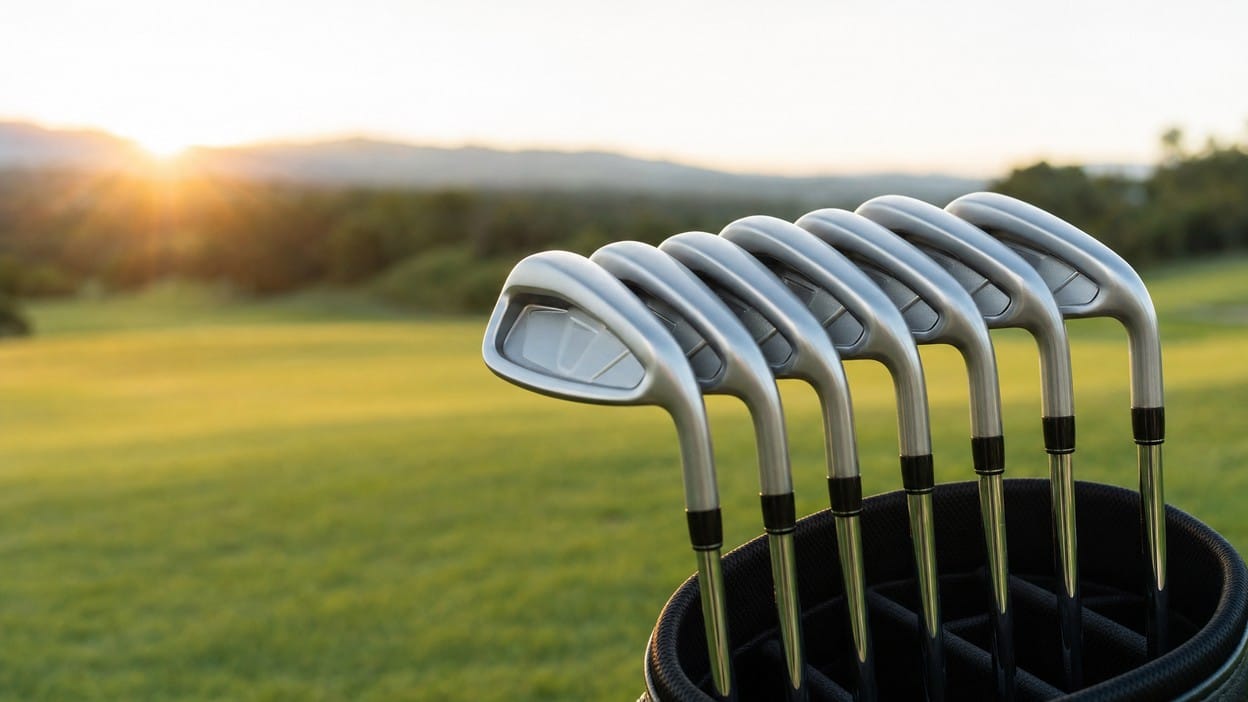
If your handicap sits between 10 and 18, the mid-handicap iron guide is the right starting point. The clubs on that list are built for different priorities: less offset, more workability, more feedback. This guide is for golfers at 18 handicap and above who need maximum forgiveness on off-center hits, the widest soles available for turf interaction, and hollow or deep-cavity construction for easy launch. Those are different design requirements, and they call for a different category of club.
- Audience: 18-to-36 handicap players only. Super-game-improvement is a distinct category from game-improvement. The mid-handicap guide is the step-up path when handicap drops below 18.
- Six picks, three tiers: Budget (Cleveland Launcher XL Halo, Wilson Dynapwr Max), mid (Callaway Elyte X, TaylorMade Qi Gunmetal, Cobra Darkspeed Adapt Max), and one editorial premium pick (Ping G440, no affiliate link).
- Research basis: Golf.com ClubTest 2025 and manufacturer specs. All picks sourced from published 2025 testing data for maximum-forgiveness irons.
- The shaft matters as much as the head. Most irons in this category ship with regular-flex graphite. If iron swing speed exceeds 85 mph (137km/h), that default flex may not suit the game. Details in the shaft note below.
What separates super-game-improvement from game-improvement
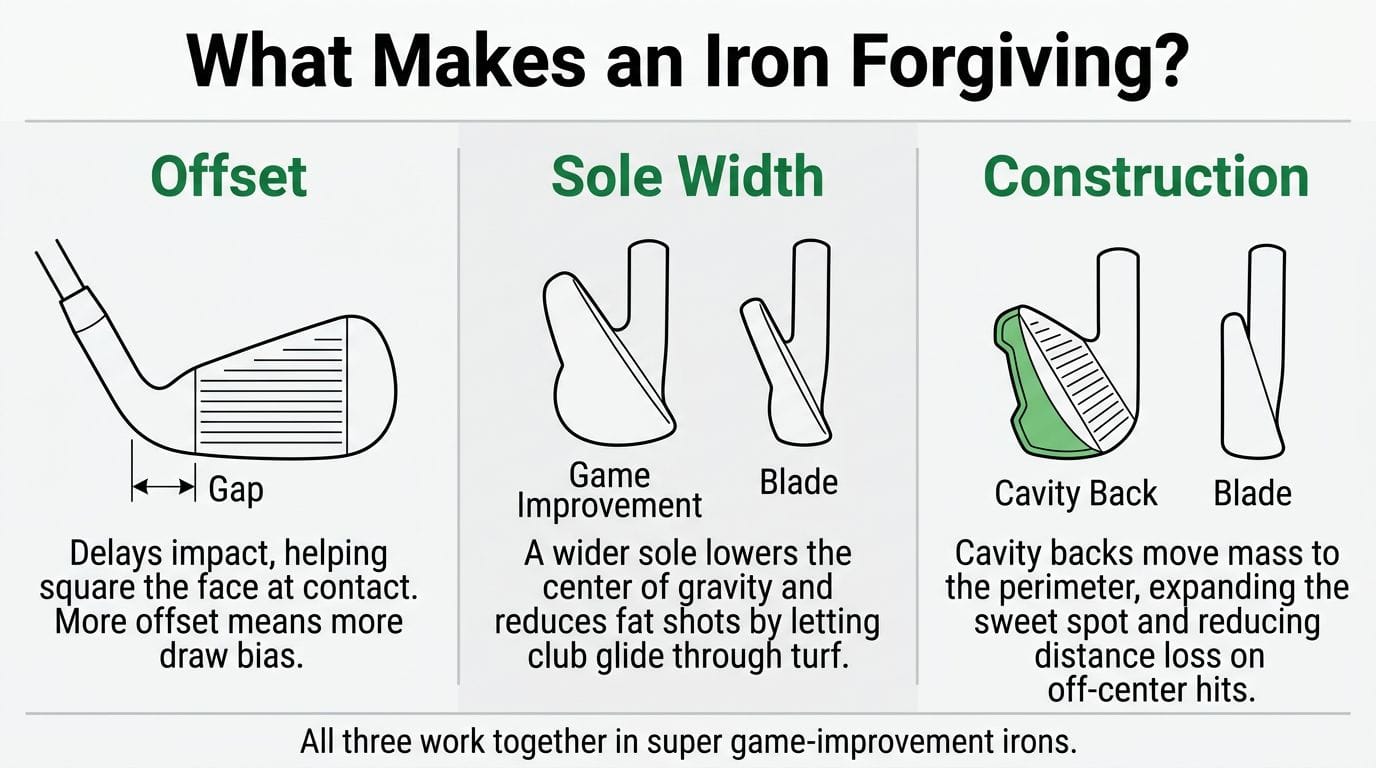
Game-improvement irons are built to forgive off-center contact. Super-game-improvement irons push every design variable further. The differences are structural.
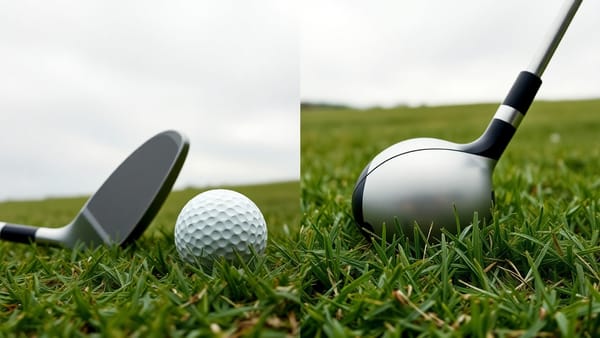
Offset. A super-game-improvement iron places the leading edge of the face further forward of the hosel than a standard game-improvement design. That additional timing margin helps square the face at impact for a player whose swing path isn't yet consistently on plane.
Sole width. The wider the sole, the more forgiving the club on shots where the divot starts early or the attack angle is too steep. Super-game-improvement soles are noticeably wider than standard game-improvement designs, which produces better results for players who contact the turf before the ball.
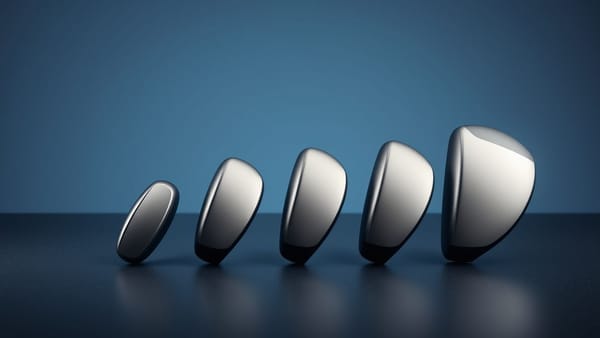
Construction. Most super-game-improvement irons use hollow-body or deep undercut cavity construction. Mass removed from behind the face is redistributed to the perimeter and lowered in the clubhead, raising MOI and making it easier to launch the ball high on off-center strikes.
The result is a club that produces better distance and direction numbers on the shots most high handicappers actually hit, not the center-face strikes that appear in manufacturer spec sheets.
The picks
Budget tier
Cleveland Launcher XL Halo
Best for: Players who want verified hollow-body forgiveness without a current-season price premium.
The Launcher XL Halo is an older listing (introduced 2022), which is worth acknowledging upfront. It is included here because published ClubTest testing and subsequent independent review data consistently placed it at the top of the maximum-forgiveness iron category, and the price has moved into budget territory with time. The hollow construction, wide sole, and face cup design deliver performance benchmarks that many current-season irons continue to reference.
For a high handicapper who doesn't want to pay a current-season premium, this is the proven-forgiveness pick at a lower entry price.
Buy on Amazon: Cleveland Launcher XL Halo
Wilson Dynapwr Max
Best for: High handicappers at the lower end of the budget range who want a current-season release.
Wilson's Dynapwr Max is the maximum-forgiveness option in their 2025 iron lineup, built with an extended sole, hollow construction, and speed foam technology designed to maintain face flex and ball speed on off-center contact. The Wilson name carries less ClubTest profile than Cleveland or Callaway in this category, but the published design specs and available 2025 review data support it as a legitimate option at this forgiveness tier and price point.
Buy on Amazon: Wilson Dynapwr Max
Mid tier
Callaway Elyte X
Best for: High handicappers who want current-season AI-designed face technology in the mid-price range.
The Elyte X is Callaway's 2025 super-game-improvement iron. The AI-optimized face design redistributes ball speed across more of the face, so off-center contact produces a flatter ball-speed loss curve than a conventional face design. Wide sole geometry and hollow construction prioritize launch height and consistency over workability and feel. The "X" is Callaway's designation for the maximum-forgiveness variant in the lineup. When ordering: the regular-flex configuration is the variant linked from this guide. Confirm flex selection before purchasing through the listing.
Buy on Amazon: Callaway Elyte X Regular Flex
Callaway's Quantum Max succeeded the Elyte X in January 2026 as the brand's current super-game-improvement iron. A shopper weighing this purely on what's newest should compare the two directly rather than assume the Elyte X is still Callaway's latest; this pick covers it on its own terms, one generation back.
For a single-product deep-dive, read our Callaway Elyte X review.
TaylorMade Qi Gunmetal
Best for: Players who want current TaylorMade construction with a low-glare address look.
The Qi Gunmetal is part of TaylorMade's 2025 game-improvement iron family. The Qi series uses hollow construction and a speed pocket on the sole face designed to maintain ball speed on low-face and off-center contact, a common miss pattern for players in the 18-to-36 handicap range. The gunmetal finish reduces glare at address compared to chrome alternatives, which some players find useful in bright conditions. Published ClubTest 2025 data supported the Qi series in the upper tier of maximum-forgiveness iron performance.
Buy on Amazon: TaylorMade Qi Gunmetal
Cobra Darkspeed Adapt Max
Best for: High handicappers who want loft-adjustment options alongside maximum forgiveness.
The Darkspeed Adapt Max is Cobra's 2025 maximum-forgiveness iron, featuring an adjustable hosel that allows minor loft and lie tuning for players whose fitting measurements warrant it. Wide sole, hollow construction, and Cobra's speed zone face design place it solidly in the super-game-improvement category. Published ClubTest 2025 data supported the Darkspeed line as a strong performer for forgiveness metrics.
Buy on Amazon: Cobra Darkspeed Adapt Max
Premium editorial pick
Ping G440
Best for: Players who want the benchmark super-game-improvement iron regardless of Amazon availability.
The Ping G440 is the 2025 update to the G series, which has been the published benchmark for maximum-forgiveness iron design across multiple ClubTest cycles. Progressive cavity construction, variable face thickness, and one of the widest soles in the category combine to produce consistent results on the off-center strikes that make up the majority of an 18-to-36 handicapper's contact. Ping's Cushin Insert reduces the harsh impact feedback common in hollow-body designs, which matters for players who practice at volume.
Ping G440 irons aren't sold through Amazon. This pick is included as the editorial top-of-category recommendation because the published performance data supports it, not because it generates a commission.
Ping G440 at Ping.com · PGA Tour Superstore (no affiliate link)
The right irons help. The strategy framework is what breaks 100.
Published research on scoring patterns for 90-to-110 handicappers consistently identifies the same finding: the strokes at this level aren't lost to poor ball-striking. They come from short game decisions, lag putting errors, and course management choices made before impact. Super-game-improvement irons reduce the cost of mishits. The strategy framework converts that margin into lower scores.
How to Break 100 With the Swing You Already Have is built on that research.
One technical note on shaft flex, worth knowing before purchase: most super-game-improvement irons ship with regular-flex graphite as the standard configuration, and that suits the majority of players in the 18-to-36 handicap range. Published fitting data identifies a threshold: players generating iron swing speeds above 85 mph (137km/h) will see trajectory and direction inconsistency even with a high-MOI head if the shaft flex is mismatched for their speed. A player in this handicap category who is also producing that swing speed should consider a fitting conversation before committing to an off-the-shelf configuration. The head choice matters. The shaft choice matters nearly as much. Further reading: Why the Right Shaft Makes All the Difference and Steel vs. Graphite Shafts for Irons.
Frequently Asked Questions
What is the difference between game-improvement and super-game-improvement irons?
Game-improvement irons offer moderate offset, cavity back construction, and wider soles than player's irons. Super-game-improvement irons push every variable further: maximum offset to help square the face at impact, the widest soles in the market for better turf interaction on shallow or steep attacks, and hollow-body or deep-cavity construction that repositions mass to the perimeter for higher MOI. The design priority shifts from workability and feel to maximum forgiveness on off-center hits. Published ClubTest data consistently shows measurable forgiveness advantages for super-game-improvement designs over standard game-improvement irons when tested with realistic off-center strike patterns.
Should a high handicapper use graphite or steel shafts in irons?
Published fitting data points toward graphite for most 18-to-36 handicappers. Lighter shaft weight produces higher swing speeds for most amateur golfers, which contributes to easier launch and more distance from the same swing. Steel shafts offer better impact feedback, but for a player still developing contact consistency, that feedback advantage is largely academic. Most super-game-improvement irons in this guide offer graphite as standard or as a configurable option. See Steel vs. Graphite Shafts for Irons for the full breakdown.
How much should a high handicapper spend on irons?
Published 2025 pricing for super-game-improvement sets in a standard configuration (typically 4-iron to pitching wedge, or 5-iron to gap wedge) runs from approximately $350 to $900. Performance differences between budget and mid-tier picks in this guide are narrower than the price gap suggests. The Cleveland Launcher XL Halo and Wilson Dynapwr Max both deliver published forgiveness benchmarks comparable to mid-tier competitors at a lower cost. The additional spend at mid and premium tiers buys current-season manufacturing, newer face technology, and in the case of the Ping G440, the most comprehensively tested combination of all three.
When should a high handicapper switch out of super-game-improvement irons?
When the extreme offset starts producing pull-hooks rather than correcting pushes and slices, the design is working against the swing rather than for it. Published fitting guidance suggests re-evaluating iron category when handicap drops consistently below 15. The maximum forgiveness engineered into super-game-improvement irons is the right trade-off at 18-plus; it becomes a liability as ball-striking improves. The mid-handicap iron guide covers the next step in that progression.
Some links in this article are affiliate links. If you buy through them, I earn a small commission at no extra cost to you. This never influences what I cover or recommend. I link to gear I'd buy myself.







The golf newsletter that cuts the hype
Data-backed reviews and advice that works. No brand spin.
Recommended products