

What Is Smash Factor? (And How to Improve Yours)
If you've spent any time with a launch monitor, you've seen the number. Smash factor sits there alongside ball speed and club head speed, gets glanced
If you've spent any time with a launch monitor, you've seen the number. Smash factor sits there alongside ball speed and club head speed, gets glanced

Most golfers who own a launch monitor can tell you, after the fact, whether they've hit a draw or a fade. The path number went in-to-out, the face
Club path and face angle explain every shot shape. Face angle controls 85% of start direction. Here's how to read both on your launch monitor.

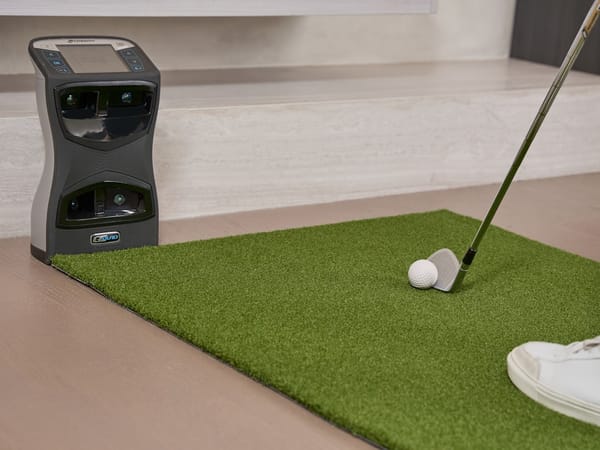
Smash factor is ball speed divided by club head speed. The average 14.5 handicap sits at 1.44. Moving to 1.48 at 100 mph adds 12 yards (11m) of carry.

Most amateurs hit down on their driver at -1.8 degrees and lose 20 to 25 yards. Here is what attack angle really means, and how to fix yours.

You aimed at fairway-right, felt your swing curl, then watched a brand-new ball sail wide and never come home. Or worse, it kept slicing until trees swallowed it. The cause

Fix a golf slice for good with the correct sequence: grip, setup, face, path, then launch monitor data. No gimmicks, just five steps that work.

Ball speed is the single most important number on any launch monitor. Here's what it means, what a mid-handicapper should aim for, and how to improve it.

Face angle controls where the ball starts, not path. Here's what the modern ball flight laws mean for your game, with real TrackMan data behind every claim.

Mid-handicappers lose 15 to 30 yards off the tee through setup and decision errors, not swing flaws. Here are five driver mistakes costing you distance, backed by launch monitor data.