






how-to
How to Hit a Fairway Wood Off the Ground
You can smash a 3-wood off a tee. Put the same club on the turf and the
And How to Store Them So They Last.
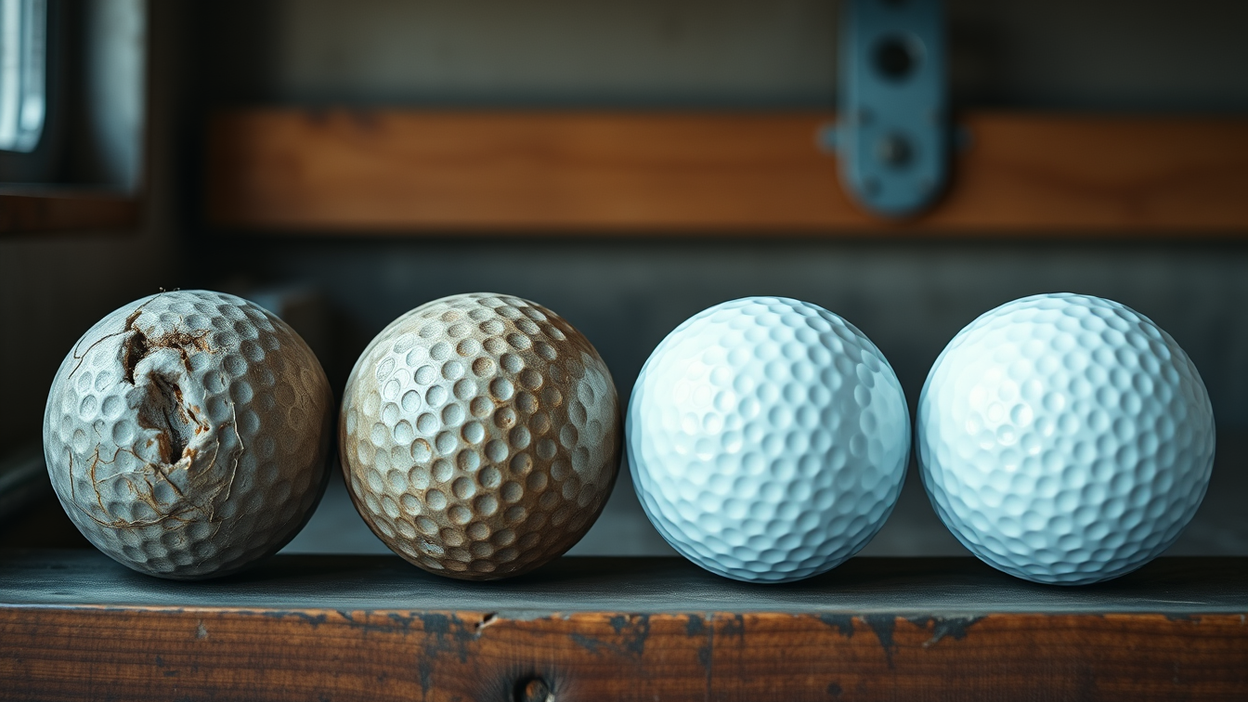
That bucket of balls on the garage shelf, or the half-empty sleeve that's been riding around in your trunk since last summer, probably plays better than you think. A golf ball kept out of heat holds up for years. The ones that have actually gone bad usually give themselves away in about two minutes, once you know what to look for.
Not on a fixed clock, no. Modern golf balls are built to hold their performance for a long time, and GOLF.com's gear desk puts the realistic window at roughly 24 months to 5 years, depending entirely on how the ball spent that time. A ball that lived in a drawer or a golf bag kept indoors is a different object than one that baked in a car trunk through three summers.
The conditions matter more than the calendar. Heat and UV exposure are the two things that actually break a ball down over time; a ball never exposed to either can outlast that upper window comfortably, while one that's been cooked in a hot trunk can lose something well inside it. That's the honest answer: age alone doesn't tell you much, and storage history tells you almost everything. The checks below are built around that idea.
Run through these in order. None of them need a launch monitor, a scale, or anything you don't already have in the garage.
Between the two, heat does more damage than cold, and two separate pieces of research point the same direction.
USGA senior director of equipment standards Steve Quintavalla ran a long-term comparison, cited by GOLF.com: a ball stored frozen lost about 0.4% of its ball speed, against roughly 1% lost by a ball stored at room temperature, over 14 years. That's a storage test, not a single afternoon, and it suggests sustained warmth costs a ball more over time than sustained cold does.
Skratch Golf's hot/cold test, run on a single ball and not peer-reviewed, found the same direction on compression: a control ball read 95, dropped to 82 after heating to 125°F (52°C), and rose to 99 after freezing at negative 9°F (-23°C). The heated ball moved further from its baseline than the frozen one did. Neither figure has a second source, so take each as a single data point rather than a settled number, but they agree on which direction matters.
One thing worth separating clearly: cold storage isn't the same problem as cold play. Everything above is about how a ball ages sitting in a garage or a trunk over weeks and years. Playing in cold weather on a given day is a different issue entirely, covered in how compression shifts with temperature; the practical fix there, keeping two or three balls warm in a pocket or a dedicated pouch during a cold round rather than leaving a full sleeve in a cold bag, is exactly what our cold-weather playing guide already recommends, and that advice holds regardless of how the ball was stored beforehand.
Getting this right now is what keeps next season's balls out of the "is it still good" question entirely.
Most balls that pass the checks above are fine to keep playing. A couple of judgment calls are worth naming directly.
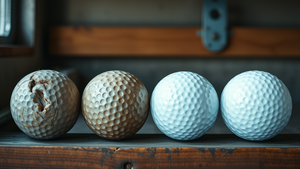
If a ball fails step 1 (visible cuts, cracks, or a mushy spot), replace it, full stop, regardless of how new or old it is. If a ball's storage history is genuinely unknown, playing it occasionally is low-risk; I'll admit I've got a soft spot for hoarding found balls off the edge of a fairway that I'll probably never actually play, which is more about not wanting to throw a perfectly good-looking ball away than any real plan for them.
For serious players chasing every stroke, the calculation is tighter. A ball that's spent a full summer in a hot trunk, or several winters in an unheated garage, is worth retiring even if it still looks clean and passes the bounce check, because the point where you'd actually notice the difference is smaller than the point where a weekend golfer would. If you're not sure which category you fall into, the honest answer is that most readers can keep playing a ball that passes the visual and storage checks without worrying further.
If you're ready to replace a batch outright, a budget dozen like the Wilson Duo Soft covers most casual rounds without asking much of your wallet. If you don't mind playing recovered balls, Second Chance's Grade A recycled lake balls, sold as Callaway Supersoft, the same model covered in our Callaway Supersoft review, are a solid way to stock up cheaply. And if you're working out which ball tier actually fits your game rather than just replacing what you had, our handicap-based golf ball guide is the better next stop; it's also worth a look if you're still building out a full starter set, alongside our beginner equipment guide.
Yes, a hot car trunk is one of the worst places to store golf balls. Sustained heat is the main thing that degrades a ball's performance over time, according to GOLF.com and a long-term USGA storage comparison, and a trunk routinely runs hotter than the outside air in summer.
It depends on the garage. An unheated garage can swing well outside the 70°F to 80°F (21°C to 27°C) range GOLF.com recommends, in both directions, which is harder on a ball than a stable indoor shelf. If your garage runs close to room temperature year-round, it's fine; if it swings hot in summer and cold in winter, an indoor closet is the safer call.
Recovered or "lake" balls graded A are generally worth buying if you want a cheaper way to play a premium model, since Grade A means minimal cosmetic wear and no structural damage. Run the same checks in this guide, cuts, cracks, and a squeeze-and-bounce comparison, before trusting a batch you haven't inspected yourself.
No. The Epsom-salt float test checks whether a ball's core is centered, which affects roll consistency on the greens, not whether the ball is old or worn out, according to MyGolfSpy and CaddieHQ. A new ball can fail it, and an old ball can pass it. Use the visual and storage checks in this guide to judge age and condition instead.
Most of what's sitting in your garage or trunk right now is probably fine to play. Run the two-minute check, factor in where each ball has actually lived, and store whatever you're keeping somewhere stable so you're not asking this question again next spring.
Some links in this article are affiliate links. If you buy through them, I earn a small commission at no extra cost to you. This never influences what I cover or recommend. I link to gear I'd buy myself.
Data-backed reviews and advice that works. No brand spin.