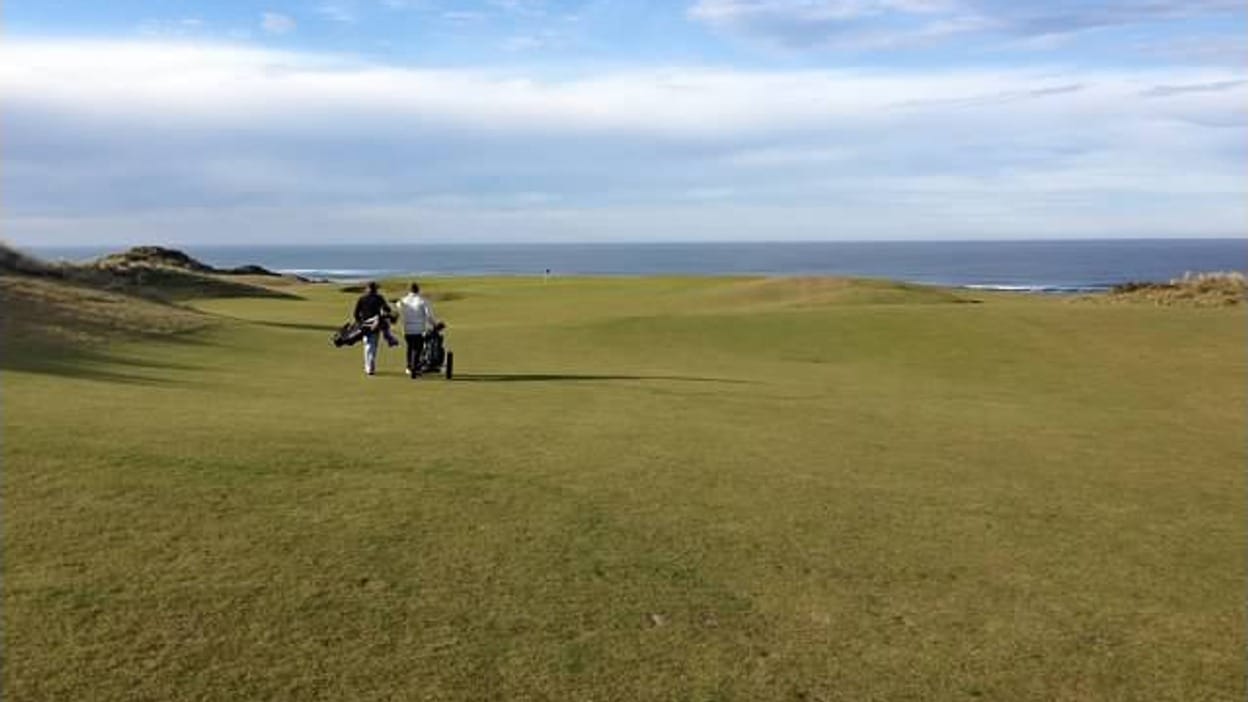
Bandon Dunes is the course that started the resort, and more than two decades later it still sits in the top 10 of America's public courses, according to Golf Digest. It's a walking-only links course on the Oregon coast, with no cart as a backup plan for golfers who don't want one.
- Top-10 public course: 44th on Golf Digest's America's 100 Greatest for 2025-26, 9th on its 100 Greatest Public list, and 7th on Golfweek's Top 100 Public list for 2025.
- Walking only: no cart unless you have a documented permanent disability; caddies and push carts are the alternatives.
- Two tee boxes: 7,212 yards (6,595m) from the Championship tees, 6,732 yards (6,156m) from the Black tees.
- Booking is a lottery: the resort splits reservations into windows with a random draw, according to GOLF.com. No published green fee, so check current pricing when you book.
Pros:
- Consistently ranked among the best public courses in the country by two separate panels
- Genuine links character, set on headlands above the Pacific, according to GOLF.com's course profile
- Caddies and complimentary push or pull carts make walking-only workable for most fitness levels
Cons:
- No cart option for golfers who simply don't want to walk 18 holes
- No published green fee, which makes the course hard to budget for in advance
- Booking runs through a lottery with set windows, not a simple call-ahead reservation
What makes it distinctive
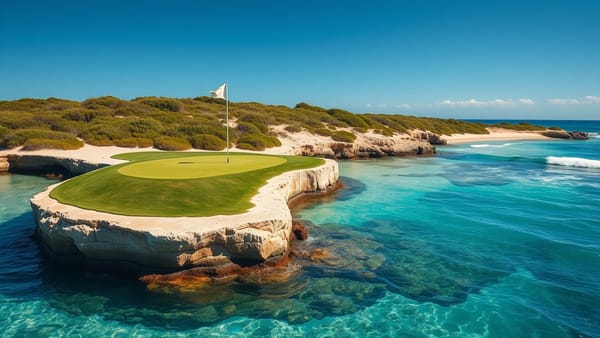
Bandon Dunes was designed by Scottish architect David McLay Kidd and opened in 1999, according to Wikipedia and GOLF.com. GOLF.com's course profile describes the setting as "craggy headlands above the Pacific," and singles out the drivable par-4 16th for its "eye-popping scenery."
That setting, firm coastal turf and a design that runs along the dunes rather than cutting through them, is what separates it from an inland course built to look like a links course. It's also most of why the course keeps landing on national top-10-public lists more than two decades after it opened.
Wikipedia also describes the course's own playing character: "forgiving landing areas off the tee" paired with "mildly to moderately undulating green complexes." The layout hasn't stayed frozen since 1999, either; Wikipedia notes "significant amounts of gorse removal" over the years, along with a rerouting of the par-3 second hole.
Bandon Dunes was also the first course on the property, according to Wikipedia, and the resort grew into a multi-course destination around it in the years that followed: Pacific Dunes, Bandon Trails, Old Macdonald and Sheep Ranch joined it as full links courses, alongside the par-3 Bandon Preserve and Shorty's courses, per the same source. The resort has also hosted nine USGA amateur championships over the years, most recently the 2025 U.S. Women's Amateur, according to Wikipedia. That history matters for how the original course is marketed today: it's the test the rest of the resort gets measured against, not an addition built to round out a package.
How it plays across the spectrum
For the weekend golfer, the main planning point is the walk itself: this is a long day on foot, so a caddie or a lighter bag is worth arranging ahead of time. On an open links layout, wind is a constant factor, as our links vs. parkland breakdown explains, and our guide to playing in the wind covers the adjustments worth practicing before the trip.
For the improver, the course-management instincts covered in our course-management guide apply directly here: running the ball onto a firm green instead of carrying it there, and planning a round rather than swinging at every flag. That shift is worth rehearsing before a trip like this one, not during it.
For the serious player, the rankings are the real signal: 9th among Golf Digest's 100 Greatest Public Courses, 44th on its overall America's 100 Greatest, and 7th on Golfweek's Top 100 Public list, as reported by The World Link. The Black tees play 6,732 yards (6,156m) at a 74.1 rating and 143 slope, according to GOLF.com and GolfPass, a number worth checking before assuming the course plays easy. It's a course worth judging as a links test first, not just a scenic bucket-list stop.
Planning the trip
Bandon Dunes moved to a lottery-based booking system to manage demand, splitting 2026 reservations into three windows, each resolved by a random draw that sets the order golfers get called to book, according to GOLF.com. That's a real change from a simple call-ahead reservation, and it means timing a trip here takes more lead time than booking a single round at a daily-fee course. The resort runs the actual call-in from there, so check the resort's own reservations page for the current windows rather than relying on a fixed date here.
Walking is the only way around the course, aside from a limited cart allowance for golfers with a documented permanent disability, which carries a fee and still requires a caddie, per the resort's FAQ. That walking-only rule holds resort-wide, not just on this course, according to Wikipedia. For everyone else, the choice is a caddie, paid per bag at the resort's current rate plus gratuity, or a complimentary push or pull cart, per the same FAQ. Check the caddie rate when you book. A 2025 study covered in our walking-vs-riding breakdown found no significant difference in clubhead speed, ball speed or carry distance between walking and riding, so there's no scoring case either way here; the real planning question is simply whether your group can handle 7,212 yards (6,595m) on foot.
Pack for weather that can turn in a single round. A rain shell like the adidas Rain.RDY or a wind-resistant mid-layer like the Callaway Weather Series pullover covers the conditions better than a single all-purpose jacket. Without a cart-mounted GPS screen, a GPS watch like the Garmin Approach S12 or a laser like the Bushnell Tour V7 Shift is worth having on a course this long. Our golf trip planning guide covers the rest of the logistics, timing, and budgeting a trip like this one needs.
How it compares
Against Carnoustie, which plays 6,936 yards (6,342m) from its championship tees, Bandon Dunes, at 7,212 yards (6,595m) from its own Championship tees, is the longer course by that measure. Against the Old Course at St Andrews, which plays 7,305 yards (6,680m) from its championship tees and ranks 2nd in the world on Golf Digest's 2026-27 list, Bandon Dunes is the shorter course. Bandon Dunes sits 9th on Golf Digest's 100 Greatest Public Courses.
What the three share is the trait covered in our links vs. parkland piece: firm, ground-game turf on an open layout, the throughline between a Scottish links and an Oregon one despite being an ocean apart.
Verdict
Bandon Dunes suits golfers who want a genuine links test on US soil and don't mind, or actively want, a walking-only round. The rankings back up the ambition: a top-10 public-course finish from two separate panels isn't a marketing number, it's a repeated, independent read on the course itself. It's a poor fit for anyone who can't or won't walk 18 holes, and for anyone planning a trip around a fixed budget, since there's no published green fee to plan against, and the lottery booking process adds lead time most daily-fee rounds don't require. I'll admit I weigh that walking-only rule more heavily than the ranking panels seem to: a ranking measures the course, but a group trip only works if every golfer in it can actually get around the property, not just the strongest walker in the group. A caddie or a push cart closes most of that gap, but it's worth deciding before you book, not after you've already committed to the lottery window.
Frequently Asked Questions
Can you ride a cart at Bandon Dunes?
Not generally. Bandon Dunes is a walking-only course, and motorized carts are reserved for golfers with a documented permanent disability, who pay a fee and are still required to take a caddie, according to the resort. Golfers who don't want a caddie can use a complimentary push or pull cart instead.
How long is Bandon Dunes?
From the Championship tees, Bandon Dunes plays 7,212 yards (6,595m), per Wikipedia and GolfPass. From the Black tees, the more commonly played set, it's 6,732 yards (6,156m) at a 74.1 rating and 143 slope, according to GOLF.com and GolfPass.
Who designed Bandon Dunes?
Scottish architect David McLay Kidd designed Bandon Dunes, the course that opened the resort in 1999, according to Wikipedia and GOLF.com.
How do you book a tee time at Bandon Dunes?
The resort uses a lottery system, splitting its reservations into windows and using a random draw to set the order golfers get called to book, according to GOLF.com. Check the resort's own reservations page for the current windows and process before planning a trip.
Photo: mwlloyd1216 / Wikimedia Commons, CC BY-SA 4.0