Best Cold-Weather Golf Apparel 2026
A cold-weather golf layering system for 2026: a budget base layer, a lead mid-layer pick with two alternatives, thermal trousers, and a beanie, picked for warmth without losing swing freedom.

Layers that keep you swinging
All picks below are in men's sizing.
Cold-weather golf punishes the wrong clothing choice faster than almost any other condition. Too much bulk and the swing suffers; too little insulation and the round turns into a battle against the temperature instead of the course. The picks below work as a system, from a budget-friendly base layer through to one premium mid-layer upgrade, built around the layering principle this site has already laid out elsewhere and restated below.
- Lead mid-layer: the Callaway Weather Series quarter-zip, the pick this site has named consistently across its cold-weather coverage.
- Base layer: Under Armour's ColdGear Armour Fitted Mock, a compression layer built to sit under everything else.
- Budget alternative mid-layer: UA's Storm SweaterFleece Quarter Zip, water-repellent fleece a notch below the Callaway on price.
- Premium mid-layer: Peter Millar's Crown Sport Perth quarter-zip, for golfers who want the step up in finish.
- Skip if: you need waterproofing rather than warmth. That's the rain-gear guide's job, not this one.
How to layer for cold-weather golf
The guide to playing golf in cold weather puts the governing principle plainly: three thinner layers beat one thick one. A single heavy coat traps warmth but kills swing freedom through the shoulders and across the back; three thinner pieces, each doing one job (moisture management against the skin, insulation in the middle, wind resistance on the outside if needed), add up to the same warmth without the same restriction. The system also adapts mid-round in a way a single coat can't: a mid-layer comes off entirely once the sun's up and the temperature climbs, while a thick coat is an all-or-nothing call that's either on or stuffed in a cart bag for the rest of the day.
Cold air itself costs distance, independent of what's in the bag. Citing Andrew Rice's Trackman data via GOLF.com, this site's autumn-golf coverage puts the loss at roughly 2 yards (1.8m) of carry per club for every 10°F (5.6°C) the temperature falls below about 75°F (24°C), climbing toward 4 yards at a 20°F (11.1°C) drop and 6 yards at 30°F (16.7°C). The practical fix isn't different clothing, it's club selection: take one more club than the season-adjusted number suggests, and commit to a full swing with it rather than steering a bigger club to protect distance.
Base layer: Under Armour ColdGear Armour Fitted Mock
A base layer's job is moisture management against the skin, not bulk. The ColdGear Armour Fitted Mock (about $45 to $55) runs a dual-layer 87% polyester/13% elastane build with a brushed warm interior against a fast-drying exterior, in a fitted, compression cut with a mock neck. GolfMagic's base-layer guide, covering the closely related Compression Mock Long Sleeve in the same ColdGear family rather than this exact SKU, calls UA's undershirts "among the best in the business" and says reviewers "particularly love" the brushed-interior warming effect.
At $45 to $55, it's priced to sit at the bottom of a layering system rather than compete with it, which is exactly the role a base layer should play.
The fitted cut matters more than the spec sheet suggests. Nothing kills a takeaway faster than a base layer that bunches at the shoulder on the backswing, and I'll admit a looser base layer is the one piece of cold-weather kit I have zero patience for, which is exactly the problem a compression fit is built to solve.
Mid-layers: our pick and two alternatives
A mid-layer does the bulk of the insulating work in this system, which is why it's worth three options rather than one: a consistent lead pick for most golfers, a cheaper alternative for anyone building a layering system from scratch, and a premium option for golfers who want better finish and fabric feel and are willing to pay for it.
Callaway Weather Series quarter-zip (lead pick)
The Callaway Weather Series pullover has been this site's mid-layer pick across its cold-weather, autumn, and rain-gear coverage, and it stays the lead pick here for the same reason: a 90% polyester/10% spandex build with Opti-Dri moisture-wicking, UPF50 sun protection, and a mock-neck quarter-zip closure, running S to 4XL plus Big and Tall. It typically sells under $90 and is often discounted. Three Putt Golf Clothing scored the Weather Series mid-layer category 7.6 out of 10, calling it "solid enough to edge into premium territory and best value when caught on a seasonal discount." This site's full review covers the fit and fabric in more depth.
UA Storm SweaterFleece Quarter Zip (alternative)
The Storm SweaterFleece Quarter Zip (about $55 to $60) is a straightforward alternative at a lower price: 100% polyester with UA's Storm water-repellent finish over a brushed, soft fleece interior with stretch. There's no review of this exact SKU, but Golf Monthly's review of the sibling Storm Midlayer Full Zip calls it "light and warm, water-repellent," with the caveat that it "runs large and baggy," so sizing down is worth considering. National Club Golfer's review of the related Storm Daytona Half-Zip notes its spacer-fleece construction "traps added warmth without sacrificing breathability," a fair read on the family this piece belongs to rather than a claim about this specific SKU.
Peter Millar Crown Sport Perth (premium pick)
For golfers who want the step up in finish, the Crown Sport Perth Melange Performance Quarter-Zip (about $135 to $150) uses a loop-terry knit, roughly 89% polyester/11% spandex depending on colorway, four-way stretch, moisture-wicking, and a mock collar. No review exists for this exact SKU either. Golf Monthly's mid-layer guide praises the sibling Fade Half Zip as "soft and warm... lightweight and stretchy," with its only real knock being that reviewers wished it came as a quarter-zip, and calls the heavier Weld Hybrid Half-Zip "very warm while still breathable," both reading as evidence for the Peter Millar family's build quality, not for this exact piece.
Thermal trousers: UA ColdGear Infrared Tapered Golf Pants
These are thermal and insulated, not waterproof. For rain protection, see the rain-gear guide instead. The ColdGear Infrared Tapered Golf Pants (about $95 to $100) pair a ColdGear Infrared thermo-conductive lining with a UA Storm water-repellent outer, a stretch waistband, and a tapered leg. National Club Golfer gave them 5 stars, calling them "a great cold weather, winter trouser option" that will "retain heat well in more blustery, cooler conditions," with a true-to-size fit and no listed cons. Anyone golfing through a wet forecast rather than just a cold one should pair this with, or swap it for, a proper rain trouser from the rain-gear guide.
Hat: Titleist Players Beanie
The Players Beanie, in the Heather Black/Heather Gray colorway, lists for about $30. It's a 100% acrylic knit, reversible, one-size beanie with a raised Titleist logo patch. No dedicated review of this product exists, so the case for it rests on the spec sheet and price rather than any outside testing: a reversible knit at this price point is a low-risk way to close out a layering system that's already doing the real warmth work elsewhere.
Picks by use case
| Category | Pick | Best for | Price |
|---|---|---|---|
| Base layer | UA ColdGear Armour Fitted Mock | Moisture management under everything else | $45-55 |
| Mid-layer (lead) | Callaway Weather Series quarter-zip | Opti-Dri wicking and UPF50 sun protection | Under $90 |
| Mid-layer (alt) | UA Storm SweaterFleece Quarter Zip | Lower price, water-repellent fleece | $55-60 |
| Mid-layer (premium) | Peter Millar Crown Sport Perth | Finish and feel over price | $135-150 |
| Thermal trousers | UA ColdGear Infrared Tapered Golf Pants | Warmth without waterproofing | $95-100 |
| Hat | Titleist Players Beanie | A simple, low-risk finish to the system | ~$30 |
Gloves and rain gear
Cold-weather layering and wet-weather protection are different problems, which is why this guide stays focused on the base layer, mid-layer, trousers, and hat above rather than trying to cover everything at once. For gloves built for low temperatures, see the winter golf gloves guide. For waterproofing, from jackets to rain trousers, see the rain gear guide. Between the two, a golfer building out a full cold-weather kit from scratch can treat this guide as the starting point and the rain-gear guide as the add-on for whichever rounds also bring wet weather.
Frequently Asked Questions
Is one heavy coat warmer than layering for golf?
Not in practice. A single heavy coat traps warmth but restricts the shoulder turn a golf swing needs, while three thinner layers add up to similar warmth with far more freedom of movement.
How much distance does cold weather actually cost?
Citing Andrew Rice's Trackman data via GOLF.com, roughly 2 yards (1.8m) of carry per club for every 10°F (5.6°C) the temperature falls below about 75°F (24°C), climbing toward 4 yards at a 20°F (11.1°C) drop and 6 yards at 30°F (16.7°C). The practical fix is taking one extra club and committing to a full swing with it.
Is the UA ColdGear Infrared Tapered Golf Pant waterproof?
No. It's a thermal, insulated trouser built for warmth, not a waterproof layer. For rain protection, a dedicated rain trouser from the rain-gear guide is the better fit.
Why does the Callaway Weather Series stay the lead mid-layer pick here?
Its 90% polyester/10% spandex build, Opti-Dri moisture-wicking, and UPF50 sun protection hold up well against the alternatives here, and it runs the widest size range of the three, S to 4XL plus Big and Tall. It also typically sells under $90, and Three Putt Golf Clothing scored it 7.6 out of 10, calling it good value when caught on a seasonal discount.
Do the UA Storm SweaterFleece and Peter Millar Crown Sport Perth have their own reviews?
Not for these exact SKUs. The review quotes used for both are from sibling products in the same lines, named as such, rather than reviews of these specific pieces.
Some links in this article are affiliate links. If you buy through them, I earn a small commission at no extra cost to you. This never influences what I cover or recommend. I link to gear I'd buy myself.








The golf newsletter that cuts the hype
Data-backed reviews and advice that works. No brand spin.
Recommended products

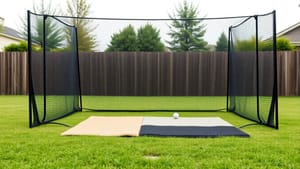
Rukket SPDR Golf Net Review: 10x7 Bundle for Home Practice.
The Rukket 10x7 SPDR golf net bundle reviewed: what's actually in the box, what MyGolfSpy and PluggedInGolf found, and who it fits best.
Read review