

How to Play Golf in the Rain
Rain doesn't end a round, it changes the equation. This is the system: what to pack, how to keep your grips dry, what a wet ball actually does, and when the smart move is to call it.
Step-by-step drills and fixes you can take straight to the range or the course.
 How to Beat First-Tee Nerves
The first tee feels harder than any other hole because of a spike in arousal, not a character flaw. A five-step, research-backed routine for the two minutes before your name gets called.
How to Beat First-Tee Nerves
The first tee feels harder than any other hole because of a spike in arousal, not a character flaw. A five-step, research-backed routine for the two minutes before your name gets called.
 How to Stop Topping the Golf Ball
Topping comes from the swing's low point arriving before the ball, not from looking up. Fix early extension or hanging back and the topped shots stop.
How to Stop Topping the Golf Ball
Topping comes from the swing's low point arriving before the ball, not from looking up. Fix early extension or hanging back and the topped shots stop.
High-spin wedge with multiple grinds and data to support the price
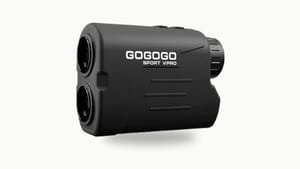
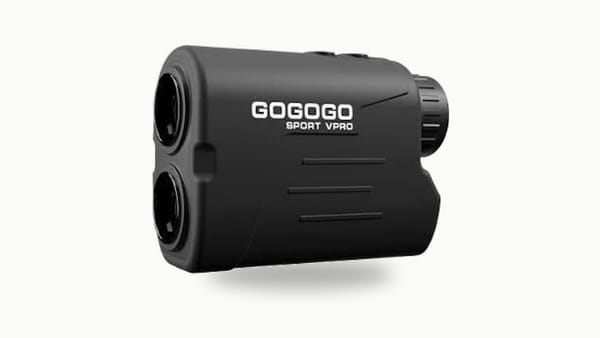
A $60-80 laser that nails straight-line distance in independent testing, but skips the physical slope switch and tournament-grade weatherproofing of pricier units.
A budget-friendly pick for slower swings and higher handicaps, with MyGolfSpy's consistency caveat attached.
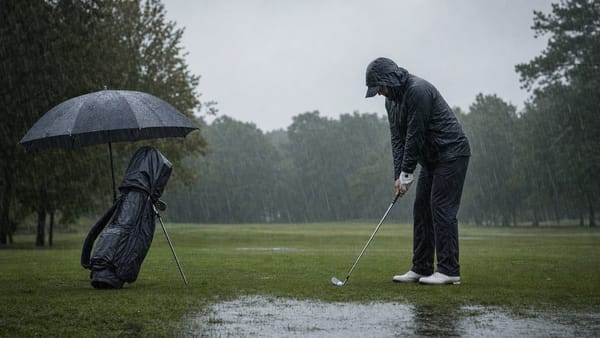
Rain doesn't end a round, it changes the equation. This is the system: what to pack, how to keep your grips dry, what a wet ball actually does, and when the smart move is to call it.

Learn how to aim your clubface and body correctly at address, with the parallel-lines setup method and fixes for the most common alignment faults.

A club-by-club landing system for chips inside 20 yards (18m), built on carry-to-roll ratios instead of feel alone.

A hybrid isn't struck like your irons, and swinging it that way is probably why you're chunking or thinning it off the deck. The fix is a shallower angle of attack, ball position moved forward of where you'd play a mid-iron, and a

Wind punishes high, spinny shots, not bad swings. Lower your ball flight with a setup change and a knockdown swing, and you take most of wind's power away before it ever touches the ball.
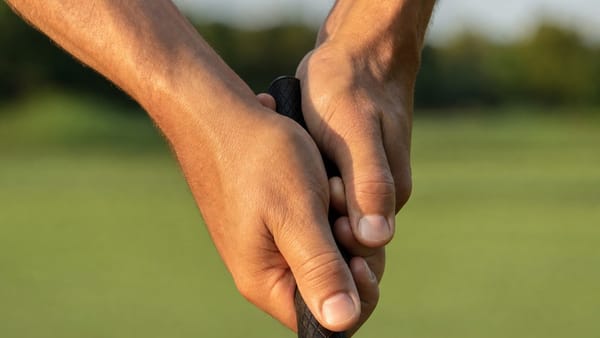
Interlocking, overlapping, and ten-finger: how to build each grip correctly, and what your hand size and strength say about which one fits.

Four common slopes, the setup change each one demands, and the miss you'll make if you skip it.

A four-step routine for the putts that actually decide your score, once you already know the line Reading the line is only half the job. Once you know the line, break, and speed on a putt inside 5 feet (1.5m), what happens in the next ten seconds is
A five-step process for building a pre-shot routine that holds up when the round is on the line, backed by the sport psychology research on routine consistency.

And Stop Leaving the Ball Short

Most iron shots that go fat, thin, or weakly airborne share the same root: the club's lowest point arrives at or behind the ball instead of 2 to 4 inches (5 to 10cm) in front of it. Get the low point forward, with the hands ahead of the

Most bunker shots fail because the swing decelerates before impact. Open the clubface before you grip the club, aim your stance left of the target, enter the sand 2 inches (5cm) behind the ball, and swing through to a full finish. Commit to that sequence and the ball comes out.

Your irons fade but your driver slices, and it's the same swing. Here's the geometry that explains it, and five driver-specific fixes.

The five-step on-course game plan that stops blow-up holes from wrecking your round, for golfers shooting in the 90s and 100s.

Most golfers who own a launch monitor can tell you, after the fact, whether they've hit a draw or a fade. The path number went in-to-out, the face was closed to the path, the ball moved right-to-left. They've got the diagnostic side

Your carry numbers don't lie. If you've done a bag mapping session and you're staring at a 30-yard hole between your pitching wedge and your sand wedge, that's not a swing problem. That's a wedge system problem. Most mid-

Most golfers don't know their real carry numbers. They've got a rough idea of how far their seven-iron goes on a good swing, and they've had enough rounds where that estimate was off by 15 yards to know it costs them. But they&

How to break 80 in golf: the five stats that separate 85-shooters from 79-shooters, backed by Shot Scope data from 870,000 rounds.
Data-backed reviews and advice that works. No brand spin.
A launch monitor is a device that measures the physics of your golf swing and ball flight, including club head speed, ball speed, launch angle, spin rate, and carry distance. It gives you accurate, objective data about your game instead of estimates.
No, but having one makes your practice more efficient. Without data, you are guessing whether a swing change is working. With a launch monitor, you can see exactly what changed and whether it moved in the right direction.
James Whitfield synthesizes published data from independent testing labs (MyGolfSpy robot testing, Golf Digest equipment labs), verified club fitter and instructor assessments, and long-term ownership reports. He does not run his own launch monitor sessions. Every performance claim is attributed to a named source with a date.